California court upholds Harvey Weinstein conviction but orders resentencing
The California 2nd District Court of Appeal affirmed Harvey Weinstein's sexual assault conviction but ruled that his original sentence was flawed.
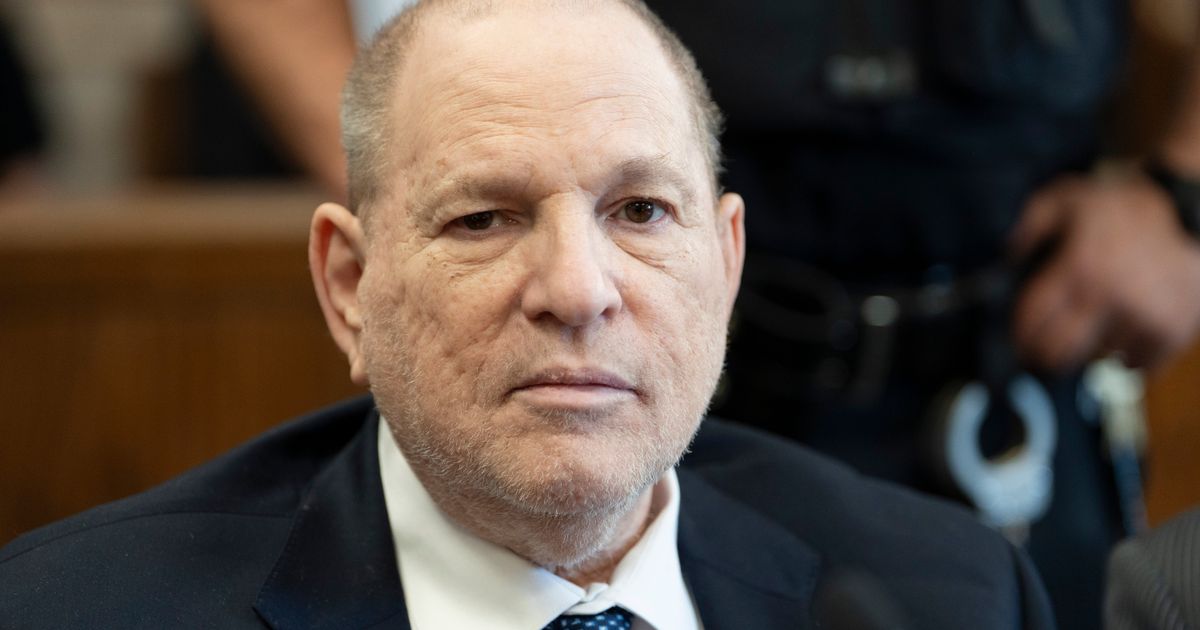
A three-judge panel from California’s 2nd District Court of Appeal issued a unanimous decision on Friday affirming the sexual assault conviction of Harvey Weinstein but mandating that the former film executive be resentenced.
Weinstein, 74, was convicted in December 2022 of one count of rape and two counts of sexual assault involving an Italian model and actor, identified during the proceedings as Jane Doe 1. Following the trial, the accuser identified herself as Evgeniya Chernyshova while pursuing civil litigation against Weinstein. Chernyshova testified that the assault occurred in her hotel room during the 2013 LA Italia Film Festival.
The appeals court rejected the defense's request for a new trial, stating that the trial judge, Los Angeles Superior Court Judge Lisa B. Lench, did not violate Weinstein's constitutional rights. We reject his attempts to disturb the jury’s guilty verdicts,
the panel wrote in their opinion. The court also maintained that the inclusion of testimony from other accusers regarding uncharged acts was permissible under state law.
Regarding the resentencing, the appellate panel concluded that the original sentence was flawed because the trial judge considered New York convictions that were subsequently overturned as an aggravating factor during the sentencing process. The California attorney general concurred with this assessment.
The defense had centered much of its appeal on arguments that the trial court restricted their ability to present a complete defense. Specifically, attorneys argued that Judge Lench prevented them from questioning the accuser about Facebook messages between herself and the festival head, Pascal Vicedomini. The defense contended that these messages would have revealed a sexual relationship, thereby impeaching Chernyshova’s credibility and supporting their theory that she was not in her room at the time of the alleged assault. During oral arguments on April 23, attorney Jennifer Bonjean told the panel,
"The lower court all but gutted Mr. Weinstein’s defense"
The appeals court disagreed, noting that the defense was able to present its case using other evidence, including different Facebook messages permitted by the trial judge. Furthermore, the court determined that the defense’s attempt to introduce the messages violated California's rape shield law, which prohibits the introduction of an accuser's sexual history. David Glassman, representing the state, argued throughout the process that any potential affair was irrelevant to the contested issues in the case.
The ruling arrived one day after prosecutors in New York elected to drop a separate case against Weinstein after the accuser stated she was unable to testify a fourth time. Despite this, Weinstein remains convicted of a separate sexual felony in New York. He is currently awaiting sentencing in that jurisdiction, scheduled for September, where prosecutors are pursuing a 20-year term. Under the current legal framework, Weinstein would only begin serving his California sentence after the completion of his term in New York.
Representatives for Weinstein confirmed that they intend to continue their legal efforts.
"We are disappointed by today’s decision and respectfully disagree with the Court of Appeal’s conclusions regarding the fairness of Mr. Weinstein’s trial. At the same time, the court correctly recognized that his sentence cannot stand."
Engelmayer added:
"This is not the end of the appellate process. We intend to seek review in the California Supreme Court because we continue to believe significant legal errors affected the proceedings and warrant further review."
During the original trial, the jury acquitted Weinstein of the sexual battery of a massage therapist and could not reach a verdict on charges involving two other women. The Los Angeles County District Attorney's Office stated it would review the decision before providing further comment, and inquiries to attorneys for Chernyshova remained unanswered.
How significant is this development?
Contribute your assessment to the aggregated reader intelligence ledger.
Archypedia is dedicated to independent, evidence-backed reporting. This briefing was synthesized from primary source reporting, corroborated across independent newsrooms, and verified against our Editorial Standards.
Transparency record
Evidence behind this report
This report synthesizes 5 distinct sources. Open the source ledger below to compare the underlying coverage.
Prepared under the Archypedia Editorial Policy by the Iris Kane editorial desk profile. AI-assisted tools may support drafting and verification; public accountability remains with Archypedia. Report an error.