
Strategic Shift: PM Modi Urges Limits on Fuel Use, Travel, and Imports to Safeguard Foreign Exchange
In a significant move to protect the national economy against mounting global pressures, Prime Minister Narendra Modi has called upon citizens and organizations to adopt stringent measures to conserve fuel, limit non-essential foreign travel, and reduce imports. The initiative, which emerges as Modi urges limits on fuel use, travel and imports to save forex – Reuters, is designed to stabilize foreign exchange reserves and mitigate the impact of rising domestic prices triggered by geopolitical instability.
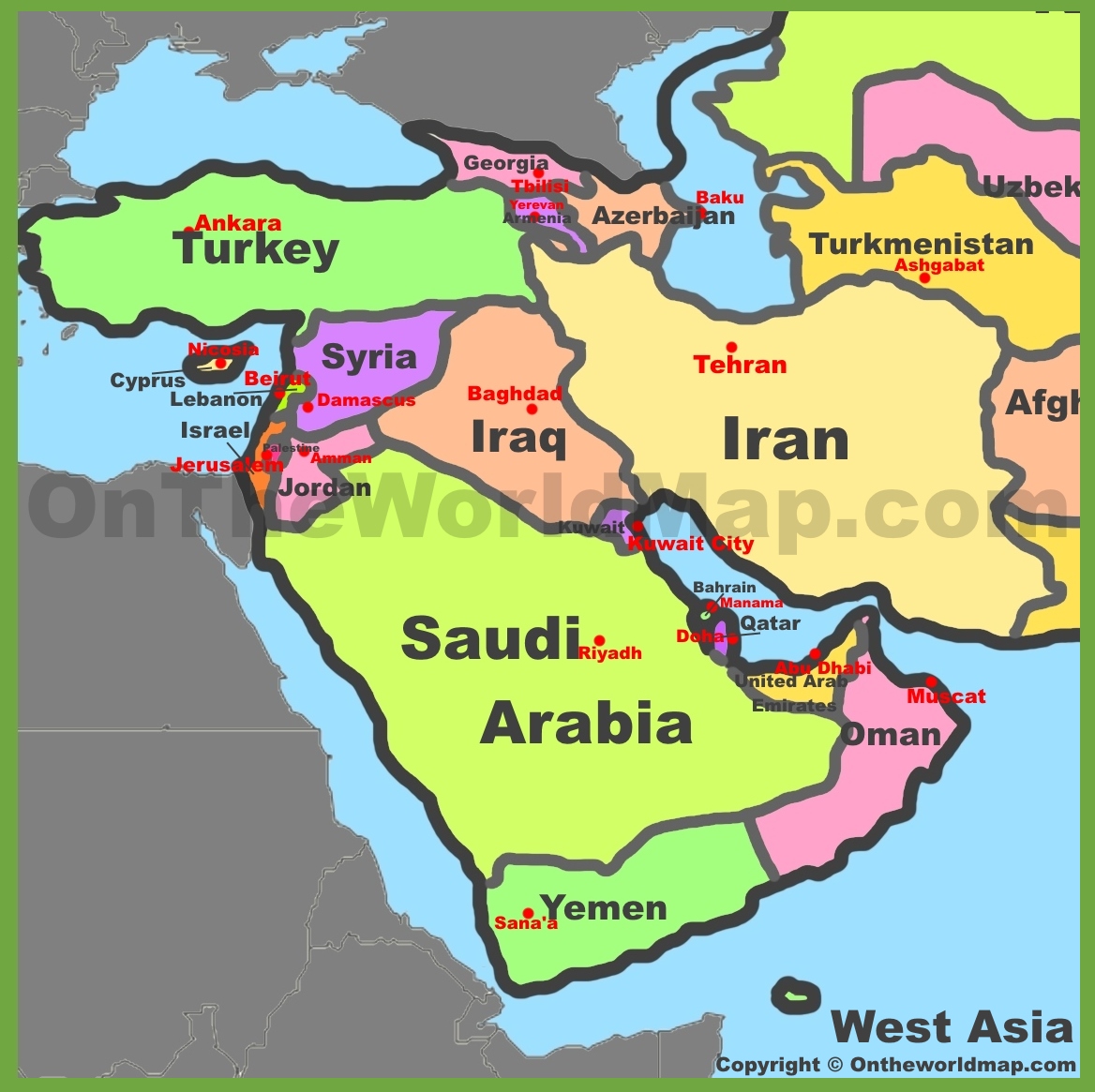
The Prime Minister’s appeal comes at a critical juncture, as volatility in West Asia—specifically linked to the ongoing conflict involving Iran—has sent shockwaves through global energy markets. By advocating for a collective effort to reduce the demand for imported resources and limit the outflow of foreign currency, the government aims to create a fiscal buffer against unpredictable price surges and supply chain disruptions.
The Core of the Strategy: A Call for National Restraint
The current strategy is not centered on a single policy change but rather a multi-pronged appeal for behavioral shifts across the Indian population. The Prime Minister has identified several key areas where immediate restraint can lead to significant macroeconomic benefits.
Fuel Conservation and Energy Efficiency
At the heart of the appeal is the urgent need to cut fuel consumption. Because India relies heavily on energy imports, any surge in global oil prices directly impacts the amount of foreign exchange required to maintain energy security. The call for restraint in fuel use is intended to lower the overall import bill, thereby reducing the pressure on the national treasury.
The Push for Work-From-Home (WFH)
In an unconventional move for national economic strategy, the Prime Minister has urged the adoption of work-from-home practices. While WFH is often viewed through the lens of employee productivity or corporate flexibility, the government is now framing it as a tool for fuel conservation. By reducing the daily commute for millions of workers, the state hopes to see a measurable drop in petrol and diesel consumption, directly correlating to a reduction in the foreign currency spent on crude oil imports.
Curbing Luxury Outflows: Foreign Travel and Weddings
One of the more specific and striking elements of this strategy is the request to avoid expensive foreign travel, including the trend of hosting lavish weddings abroad. These activities result in a direct outflow of foreign exchange. By encouraging citizens to celebrate milestones domestically and limit non-essential international trips, the government seeks to keep more capital within the local economy and preserve precious forex reserves.
The strategy focuses on a collective sacrifice in luxury and convenience to ensure long-term economic stability amid a volatile global energy landscape.
Understanding the Economic Logic: Why Forex Matters
To understand why the Prime Minister is urging limits on fuel and travel, We see necessary to understand the relationship between foreign exchange (forex) and national stability. Foreign exchange reserves are the assets held by a central bank in foreign currencies. These reserves are crucial for several reasons:
- Import Payments: India must pay for essential imports, particularly crude oil, in foreign currencies (primarily US Dollars). When global prices rise, more forex is needed to buy the same amount of oil.
- Currency Stability: Adequate reserves allow the central bank to intervene in the currency market to prevent the local currency from depreciating too rapidly against the dollar.
- Credit Rating: Strong forex reserves signal to international investors and rating agencies that a country can meet its external obligations, which keeps borrowing costs lower.
When a crisis in West Asia leads to a “price surge,” the cost of importing fuel spikes. If the country continues to spend heavily on luxury imports and foreign travel simultaneously, the forex reserves deplete faster, potentially leading to a weaker currency and further driving up the cost of all imported goods—including electronics, machinery, and edible oils.
| Action Urged | Direct Impact | Macroeconomic Goal |
|---|---|---|
| Fuel Conservation | Lower crude oil import volume | Reduce forex expenditure |
| Work-From-Home | Reduced commuting/fuel use | Lower national energy demand |
| Limiting Foreign Travel | Reduced currency outflow | Preserve forex reserves |
| Reducing Imports | Lower trade deficit | Stabilize domestic prices |
The Geopolitical Catalyst: The West Asia Crisis
The timing of this appeal is directly linked to the deteriorating security situation in West Asia. The region is the world’s primary hub for oil production, and any conflict—particularly one involving Iran—threatens the stability of oil transit routes, such as the Strait of Hormuz.
The “Iran War” Context
Reports indicating an escalation of conflict involving Iran have created a “risk premium” in oil pricing. This means that oil prices rise not just because of actual shortages, but because of the fear of future shortages. For a country like India, which imports a vast majority of its oil, this volatility can lead to “imported inflation,” where the rising cost of fuel increases the cost of transporting food and goods, leading to higher prices for the average consumer.
The Domino Effect of Energy Prices
The logic behind the Prime Minister’s call is based on a simple economic chain reaction:
- Conflict in West Asia $\rightarrow$ Global Oil Prices Surge.
- Higher Oil Prices $\rightarrow$ Increased Forex Spend for Imports.
- Increased Forex Spend $\rightarrow$ Depletion of Reserves $\rightarrow$ Currency Depreciation.
- Currency Depreciation $\rightarrow$ All Imports Become More Expensive $\rightarrow$ Domestic Inflation.
By breaking this chain at the “Demand” stage (urging citizens to use less fuel and spend less abroad), the government hopes to dampen the impact of the global price surge.
Stakeholders and Implications
The call for restraint affects various sectors of society differently, and the success of the strategy depends on widespread cooperation.
The Corporate Sector
Companies are now being encouraged to rethink their operational models. The shift toward WFH is no longer just about employee wellness but is being presented as a patriotic contribution to national economic security. Businesses that can transition to remote work or optimize their logistics to reduce fuel consumption will play a pivotal role in this effort.
The General Public
For the average citizen, the appeal translates to a lifestyle adjustment. Reducing unnecessary car trips, utilizing public transport, and opting for domestic tourism over international vacations are the primary ways individuals can contribute. The mention of “foreign weddings” specifically targets the high-net-worth individuals whose spending habits can lead to significant capital outflows.
The Energy and Logistics Industry
While a reduction in fuel use might seem counterintuitive for fuel providers, the broader goal is to avoid a catastrophic price spike that could crash the economy. The logistics sector may face pressure to optimize routes and shift toward more energy-efficient transport methods.
For those interested in how this fits into broader economic trends, a related explainer on trade deficits and currency stability may provide further context.
Addressing Common Misconceptions
Given the nature of the Prime Minister’s appeal, several misconceptions may arise regarding the implementation of these measures.
Is this a mandatory law?
Based on the current communications, these are urges and appeals for restraint rather than mandatory legislative decrees. The government is relying on civic duty and voluntary cooperation to achieve the desired economic outcome.
Will WFH hurt the economy?
Critics often argue that WFH hurts local businesses (like cafes and transport services). However, the government’s current perspective is that the risk of a forex crisis and runaway inflation is a far greater threat to the overall economy than a temporary dip in the “commuter economy.”
Why target weddings and travel specifically?
While a single vacation may seem insignificant, the cumulative effect of millions of citizens spending foreign currency abroad is substantial. By targeting luxury outflows, the government aims to protect the reserves without placing an undue burden on the poor, who already consume very little in terms of foreign luxury services.
Comparing Current Measures to Past Crises
India has faced energy shocks before, most notably during the 1973 oil crisis and the 2008 financial crash. In previous instances, the government often relied on administrative price controls or increasing taxes on fuel to manage demand.
The current approach is distinct because it emphasizes behavioral change and digital transition (via WFH). This reflects the modern economy’s ability to decouple productivity from physical presence—a tool that was not available during previous energy crises. By leveraging technology to save fuel, the government is attempting a “soft landing” to avoid the harsh austerity measures that often accompany forex shortages.
The Path Forward: What to Monitor
As the situation in West Asia evolves, the effectiveness of these measures will be measured by several key indicators. Economic analysts and citizens alike should keep an eye on the following:
- Forex Reserve Levels: Whether the reserves stabilize or continue to decline despite the call for restraint.
- Domestic Fuel Demand: Whether there is a measurable dip in petrol and diesel consumption in the coming months.
- The Exchange Rate: The stability of the local currency against the US Dollar.
- Inflation Data: Whether the cost of essential goods remains stable or continues to rise due to the “imported inflation” from the Iran conflict.
The success of this strategy depends on the speed of adoption. If a significant portion of the workforce adopts WFH and the affluent reduce their foreign spending, the cumulative effect could provide the necessary breathing room for the economy to weather the storm of the West Asia crisis.
Frequently Asked Questions
Why is PM Modi urging people to avoid foreign weddings?
Foreign weddings involve significant spending in foreign currencies, leading to a direct outflow of foreign exchange (forex) reserves. By encouraging domestic celebrations, the government aims to keep that capital within the country and preserve reserves needed for essential imports like oil.
How does working from home (WFH) help save foreign exchange?
WFH reduces the number of people commuting to offices, which lowers the national demand for fuel. Since India imports a large portion of its fuel, lower demand means fewer imports, which in turn reduces the amount of foreign currency the government must spend to buy oil.
What is the link between the West Asia crisis and domestic prices in India?
Conflict in West Asia, particularly involving oil-producing nations like Iran, often leads to a surge in global oil prices. Because fuel is used to transport almost all goods, higher fuel costs lead to higher prices for food and other essentials, causing domestic inflation.
Is the government banning foreign travel?
No, there is no ban on foreign travel. The Prime Minister has urged citizens to avoid non-essential foreign travel as a matter of national economic prudence to help save foreign exchange reserves.
What are the primary goals of these fuel conservation measures?
The primary goals are to reduce the national import bill for energy, stabilize the foreign exchange reserves, prevent the rapid depreciation of the local currency, and ultimately combat the rising cost of living for citizens.
