Pakistan Air Strikes in Afghanistan Kill 26 as Tensions Re-ignite
Pakistan conducted airstrikes in Afghanistan that killed between 13 and 26 people, according to conflicting reports from official and media sources. Pakistan claims the operation eliminated 26 Afghan fighters, while the Taliban-led government asserts that civilians were killed in the attacks. This escalation marks a significant breakdown in diplomatic relations between Islamabad and Kabul.
What happened during the Pakistani airstrikes in Afghanistan?
Pakistan launched a series of air strikes targeting positions within Afghan territory. The operations were described by Pakistani officials as targeted strikes against militant hideouts. According to reports from the BBC, these strikes resulted in the deaths of 26 individuals, which Pakistan identifies as “fighters.”
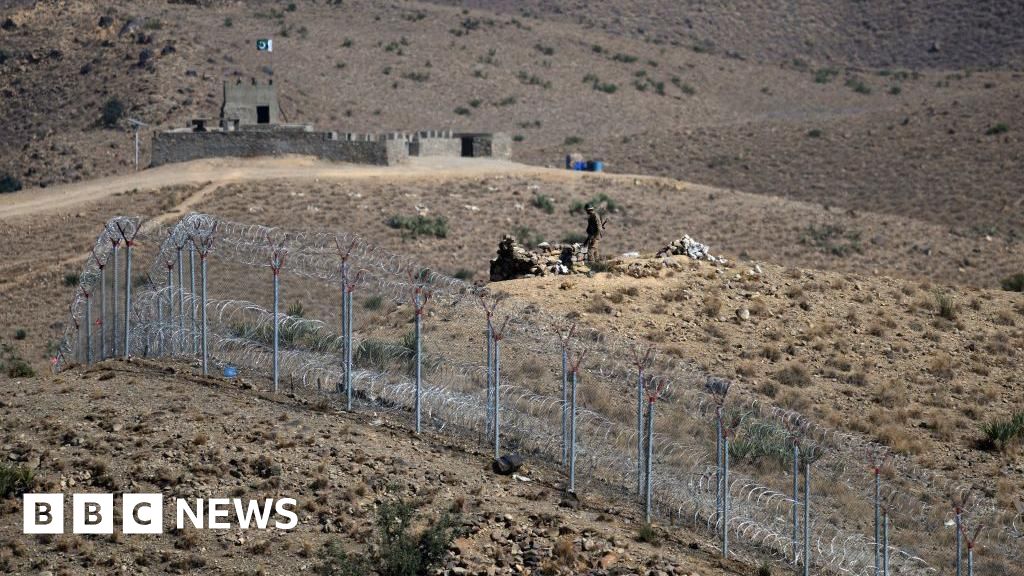
The strikes occurred amid a period of heightened instability along the porous border separating the two nations. While the specific coordinates of the strikes were not immediately released by the Pakistani military, the operations focused on areas where Islamabad believes militants are operating with impunity. The use of air power indicates a shift toward more aggressive kinetic operations to address security threats that Pakistan claims originate from Afghan soil.
The Taliban government responded swiftly, denying that the targets were militants. Taliban officials stated that the strikes hit civilian areas, leading to the deaths of non-combatants. This contradiction in casualty reports is a recurring theme in the conflict, as both sides attempt to control the narrative regarding the legitimacy of the strikes and the nature of the victims.
How do the casualty reports differ across sources?
There is a significant discrepancy in the reported death tolls and the identity of those killed. This variance highlights the difficulty of verifying facts on the ground in remote border regions.
Pakistan’s official stance is the most aggressive, claiming a successful operation that neutralized 26 militants. In contrast, other reports provide lower figures or different classifications of the deceased. For instance, The Canberra Times reported that at least 13 people were killed in the strikes. Al Jazeera highlighted the Taliban’s claim that the victims were civilians, rather than the “fighters” described by Pakistan.
| Source | Reported Death Toll | Identity of Deceased |
|---|---|---|
| Pakistan Official Claims | 26 | Afghan Fighters/Militants |
| The Canberra Times | 13+ | Not Specified |
| Taliban Government | Unspecified | Civilians |
The gap between 13 and 26 deaths suggests either a delay in reporting or a fundamental disagreement over who constitutes a “combatant” in the region. News.com.au characterized the strikes as “deadly,” focusing on the overall impact on regional stability rather than a specific confirmed number.
Why have tensions re-ignited between Pakistan and the Taliban?
The current hostilities are not an isolated incident but the result of a long-standing dispute over cross-border terrorism. The primary driver is the activity of the Tehrik-i-Taliban Pakistan (TTP), an umbrella organization of militants that seeks to overthrow the Pakistani government.
Pakistan has repeatedly accused the Afghan Taliban of providing “safe havens” to TTP fighters. Islamabad argues that the TTP uses Afghan territory to plan and launch attacks inside Pakistan, making the Afghan government complicit in Pakistani security failures. According to Pakistani officials, the airstrikes were a necessary response to the Taliban’s failure to curb TTP activity.
The Taliban government denies these allegations. Kabul maintains that it does not allow its soil to be used for terrorism against any other country. Taliban officials often frame Pakistani strikes as a violation of Afghan national sovereignty and an illegal intrusion into their territory. This clash of perspectives—counter-terrorism versus national sovereignty—has created a diplomatic deadlock.
The role of the TTP in the escalation
- Safe Havens: Pakistan claims TTP leadership operates from Afghan provinces.
- Cross-Border Raids: Increased TTP attacks in Pakistan’s Khyber Pakhtunkhwa province have pressured the Pakistani military to act.
- Ideological Links: Despite their separate goals, the TTP and the Afghan Taliban share an ideological bond, which Pakistan believes prevents the Taliban from taking decisive action against the TTP.
What is the historical context of the Pakistan-Afghanistan border conflict?
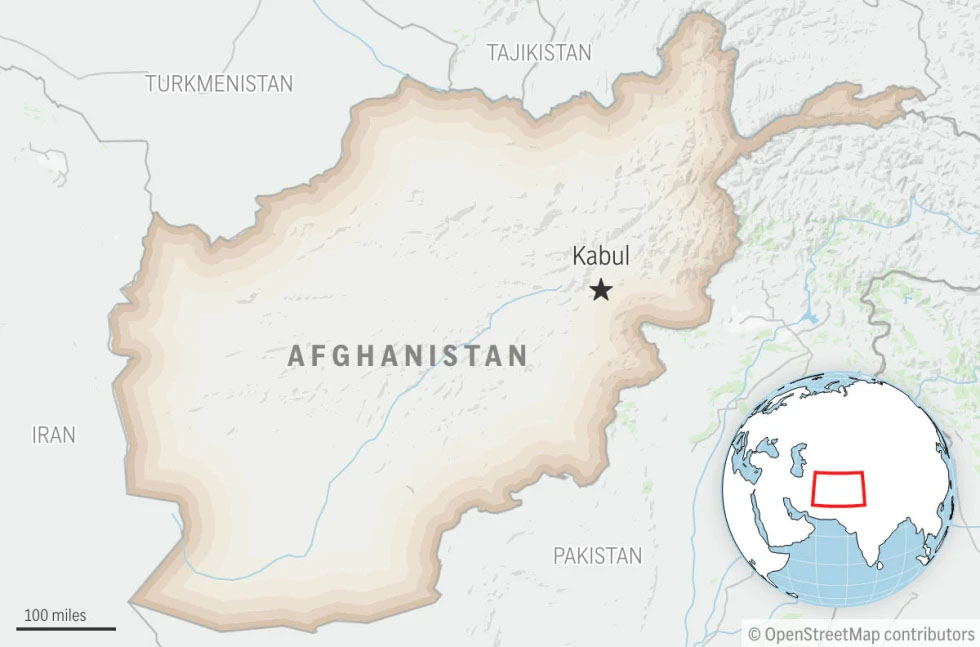
The instability stems largely from the disputed Durand Line, the 2,640-kilometer border established in 1893. Afghanistan has historically refused to recognize the Durand Line as a permanent international border, viewing it as a colonial imposition. This disagreement makes border management nearly impossible and provides cover for militant movements.

Following the U.S. withdrawal from Afghanistan in August 2021, Pakistan initially expected that a Taliban-led government would be more cooperative in fighting the TTP. However, the opposite occurred. Instead of stability, the region saw a surge in TTP activity and a deterioration of the bilateral relationship.
“The strikes reflect a growing frustration in Islamabad over the perceived inaction of the Kabul administration regarding militant sanctuaries.”
Past precedents show that when Pakistan feels its internal security is threatened by external actors, it resorts to “hot pursuit” operations or airstrikes. These actions often trigger a cycle of retaliation or diplomatic freezes, as seen in previous decades of conflict in the region.
Who are the primary stakeholders and what are their positions?
The conflict involves several key actors, each with competing priorities for the region’s security.
The Government of Pakistan
Pakistan’s priority is the elimination of the TTP and the securing of its western border. The military views airstrikes as a tool of deterrence, signaling to the Taliban that Pakistan will take unilateral action if diplomatic requests are ignored.
The Taliban Government (Islamic Emirate of Afghanistan)
The Taliban are focused on consolidating their power within Afghanistan and gaining international recognition. They view Pakistani airstrikes as a threat to their legitimacy and a violation of the sovereign borders they now defend.
The Tehrik-i-Taliban Pakistan (TTP)
The TTP benefits from the tension between Kabul and Islamabad. By operating in the gray zones of the border, they can launch attacks on Pakistani security forces while remaining shielded by the geopolitical friction between the two states.
The International Community
Global powers, including the United States and China, view the escalation with concern. A full-scale conflict between Pakistan—a nuclear-armed state—and the Taliban-led Afghanistan could destabilize Central Asia and create a new vacuum for global terror networks.
What are the potential implications of these air strikes?
The immediate consequence is a further decline in diplomatic trust. When one state conducts airstrikes on another, the path back to negotiation becomes significantly more difficult. This escalation could lead to several short-term and long-term outcomes.
Short-term risks
- Retaliatory Attacks: The Taliban or TTP could launch retaliatory strikes against Pakistani border posts or infrastructure.
- Border Closures: Increased tensions often lead to the closing of key trade crossings, impacting the economy of both nations.
- Displacement: Civilians living in border regions may be forced to flee due to the risk of air strikes or ground skirmishes.
Long-term geopolitical shifts
If Pakistan continues to use air power within Afghanistan, it may push the Taliban further away from any security cooperation. This could lead to a permanent state of “cold war” between the two neighbors, where the border remains a lawless zone controlled by various militant factions.
Furthermore, the civilian casualties reported by the Taliban could be used as a recruitment tool for militants. If local populations perceive the Pakistani military as an aggressor killing non-combatants, support for groups like the TTP may grow, creating a self-perpetuating cycle of violence.
Common misconceptions about the conflict
Many observers oversimplify the conflict as a simple disagreement between two governments. However, the reality is more nuanced.
Misconception: The Taliban and TTP are the same organization.
While they share an ideology and a history of cooperation, they are distinct entities. The Afghan Taliban are focused on governing Afghanistan, while the TTP is focused on the insurgency within Pakistan. Their goals are aligned, but their organizational structures and immediate priorities differ.
Misconception: Airstrikes are a new phenomenon in this region.
Cross-border strikes have occurred for years. The difference now is the political context. Previously, these strikes often happened with some level of tacit understanding or under the umbrella of the “War on Terror.” Now, they are occurring between two recognized (or de facto) governments with no shared security framework.
Misconception: The border is a clearly defined line.
As mentioned with the Durand Line, the border is a point of contention. What Pakistan considers its own territory, Afghanistan often considers disputed. This makes the legal definition of an “air strike in Afghanistan” a point of diplomatic debate.
| Issue | Pakistan’s Perspective | Taliban’s Perspective |
|---|---|---|
| TTP Presence | Active sanctuaries in Afghanistan | No evidence of state-sponsored havens |
| Airstrikes | Necessary counter-terrorism | Illegal violation of sovereignty |
| Border Line | The Durand Line is the legal border | The Durand Line is a colonial relic |
Frequently Asked Questions
How many people were killed in the Pakistan air strikes in Afghanistan?
Reports vary. Pakistan claims 26 Afghan fighters were killed. The Canberra Times reported at least 13 deaths, while the Taliban government asserts that civilians were the victims of the attacks.

Why did Pakistan launch air strikes in Afghanistan?
According to Pakistani officials, the strikes were intended to destroy militant hideouts and target fighters from the Tehrik-i-Taliban Pakistan (TTP) who Pakistan claims are operating from Afghan soil.
What is the TTP and why is it important to this story?
The Tehrik-i-Taliban Pakistan (TTP) is a militant group seeking to overthrow the Pakistani government. Pakistan believes the Afghan Taliban provide them with sanctuary, which is the primary cause of the current tension and the catalyst for the airstrikes.
How has the Taliban government responded to the strikes?
The Taliban has condemned the strikes as a violation of Afghan sovereignty and claims that the Pakistani military targeted and killed civilians rather than militants.
Will this lead to a full-scale war between Pakistan and Afghanistan?
While tensions are high, most analysts suggest a full-scale war is unlikely due to the economic and political costs. However, a cycle of low-intensity conflict, including border skirmishes and targeted strikes, is expected to continue.
The situation remains volatile as both nations struggle to balance internal security with the complexities of a disputed border. The international community continues to monitor the region for signs of further escalation that could impact global security.
