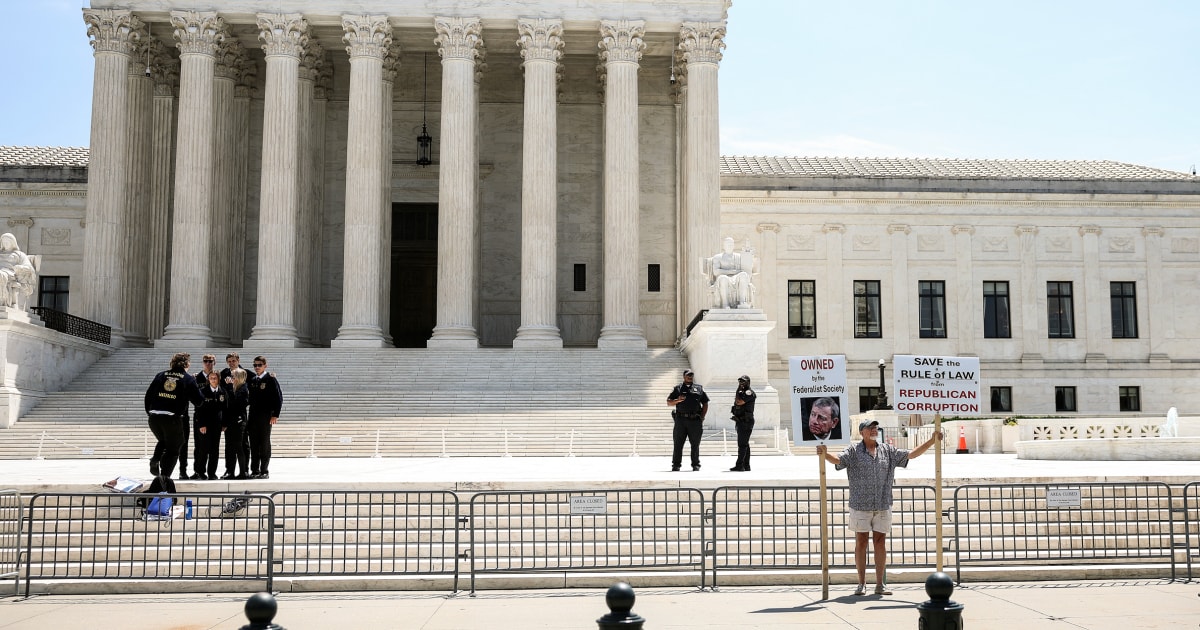
As It Expands Presidential Power, SCOTUS Keeps A Thumb On The Scale
The Supreme Court’s recent rulings are shifting power by granting presidents more control over personnel while narrowing the scope of regulatory authority.
The Supreme Court of the United States has fundamentally altered the structural relationship between the executive branch and independent regulatory agencies, ushering in an era of expanded presidential authority regarding personnel while simultaneously narrowing the scope of administrative policymaking. This shift, anchored in the high court’s June decision in Trump v. Slaughter, confirms a transition toward the unitary executive theory, granting presidents the power to remove independent agency officials for any reason.
The Slaughter decision marks a departure from longstanding legal precedents that sought to insulate independent agencies from direct political pressure. This power allows an administration to disable an agency by denying it the quorum required to issue new regulations or pursue enforcement actions. President Donald Trump described the ruling as the Greatest Increase in Presidential Power in the last 100 years
. The ruling follows a series of earlier judicial interventions, including a May 22 interim order in Trump v. Wilcox concerning the National Labor Relations Board and Merit Systems Protection Board, which signaled the court’s willingness to bypass statutory limits on removal powers. Subsequent rulings throughout the year, including actions involving the Consumer Product Safety Commission in July and the Federal Trade Commission in September, reinforced this trend.
Related media
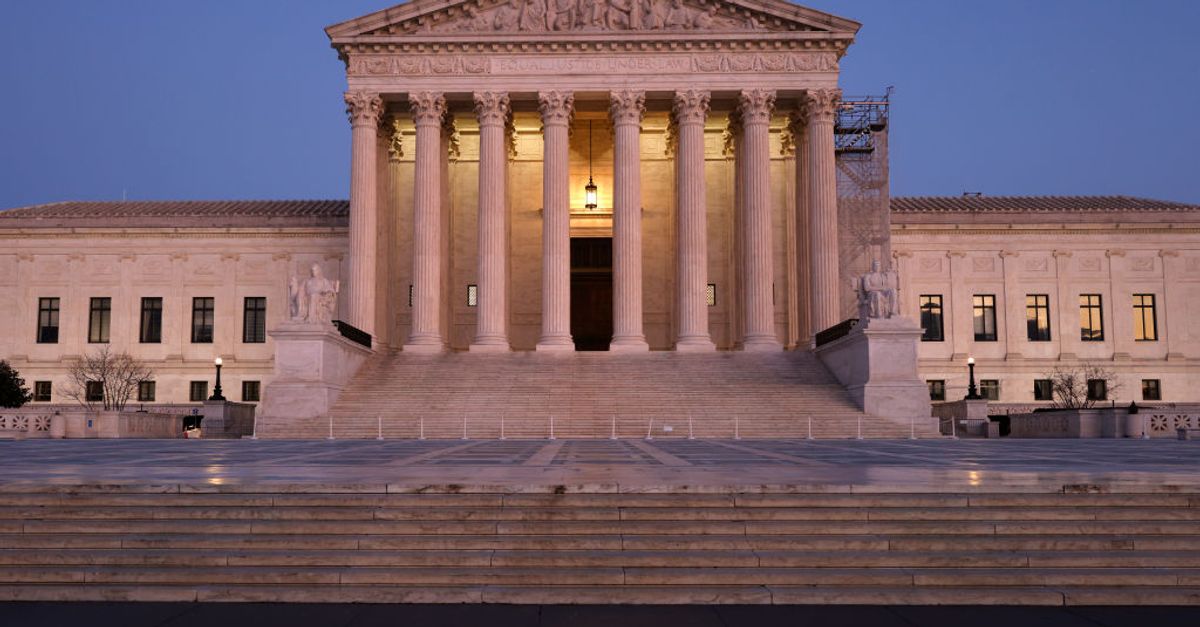
Legal observers note that this increase in removal power is only one side of the court’s broader administrative agenda. The judiciary pairs this authority with the rigorous application of the major questions doctrine. This framework, which gained prominence with the 2022 decision in West Virginia v. EPA, requires clear congressional authorization for any regulatory action deemed to have significant economic or political impact. Graham Steele, a former assistant secretary at the Treasury Department, describes the combination of these two forces as a deregulatory Swiss Army knife
that allows judges to block regulatory agendas while easing the path for executive inaction.
The distinction between the court’s treatment of personnel decisions and substantive policy is a defining feature of the current term. The Roberts court distinguishes between two distinct types of executive power: the who
— the authority to appoint and remove agency heads — and the what
, the authority to set substantive policies. This trend reached a significant milestone in 2024 with the decision in Loper Bright Enterprises v. Raimondo, which abandoned the Chevron deference doctrine, thereby stripping agencies of the presumption of authority they previously enjoyed when interpreting ambiguous statutes.
The disconnect between these two areas creates a unique environment for governance. While a president may now remove agency heads who resist their directives, any attempt by those new appointees to enact significant policy changes faces immediate legal jeopardy if challengers invoke the major questions doctrine. This standard has been used to invalidate numerous regulatory efforts related to emissions, housing, and public health. Steele, who oversaw efforts to update anti-redlining regulations under the Community Reinvestment Act, notes that these regulatory initiatives were struck down by a lower court in Texas under the major questions doctrine, highlighting how future oversight of emerging industries like artificial intelligence could be curtailed before policies are even finalized.
Key Developments in Executive-Judicial Relations
- Removal Power: Following the Trump v. Wilcox interim order and subsequent rulings, the court has consistently allowed the president to remove heads of independent agencies, including those at the FTC and the Consumer Product Safety Commission, despite contrary statutory limits.
- Major Questions Doctrine: Applied since the 2022 West Virginia v. EPA decision, this framework has been used to invalidate regulatory efforts related to climate, housing, and vaccine mandates, requiring clear congressional intent for major policy shifts.
- Decline of Deference: The end of Chevron deference in Loper Bright signals a shift where federal courts have increased authority to interpret law, moving power away from expert agencies.
The conservative justices have indicated that certain areas of regulation remain ripe for future restrictions. In Slaughter, Chief Justice John Roberts characterized the Federal Trade Commission's regulation of acts or practices which are unfair or deceptive
as a startlingly abstract idea
. Justice Neil Gorsuch similarly criticized the FTC’s regulatory reach in a concurring opinion, suggesting that agencies have been acting with minimal statutory guidance. As Democrats and political contenders look toward 2028, the judiciary remains positioned as a final arbiter, creating a landscape where the president possesses broad control over who occupies government offices but significantly less authority to dictate the specific policies those offices produce.
Archypedia is dedicated to independent, evidence-backed reporting. This briefing was synthesized from primary source reporting, corroborated across independent newsrooms, and verified against our Editorial Standards.
Transparency record
Evidence behind this report
This report synthesizes 4 distinct sources. Open the source ledger below to compare the underlying coverage.
Prepared under the Archypedia Editorial Policy by the Mara Ionescu editorial desk profile. AI-assisted tools may support drafting and verification; public accountability remains with Archypedia. Report an error.