Trump asks Supreme Court to lift block on USPS mail-in voting restrictions
A legal battle has emerged over federal rules that would empower postal workers to filter election mail based on unique barcodes and verified voter lists.
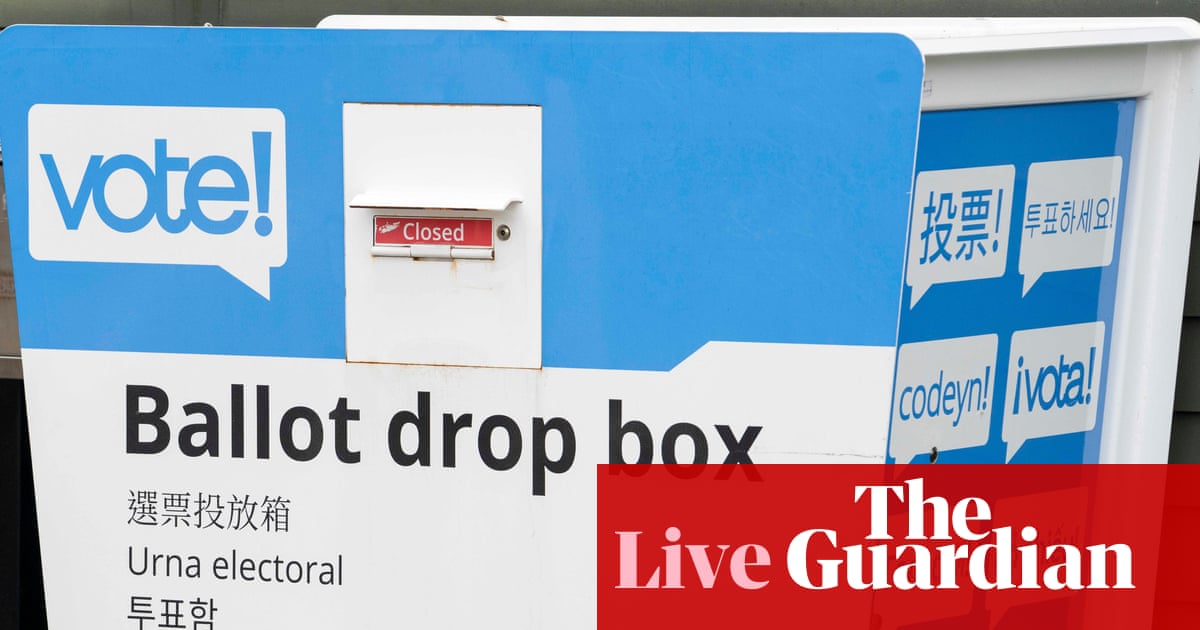
North Carolina is scheduled to begin mailing absentee ballots on Friday, Sept. 4, but those votes now sit at the center of an emergency legal battle over whether the U.S. Postal Service (USPS) can reject them. The Trump administration has asked the Supreme Court to lift a temporary block on new federal restrictions that would allow postal workers to refuse delivery of mail-in ballots that fail to meet specific design and verification standards.
The Justice Department filed the emergency request on Thursday, Sept. 3, seeking to overturn a ruling by U.S. District Judge Indira Talwani. Talwani had temporarily blocked the USPS from implementing a system that requires states to use approved envelopes with unique barcodes and to submit verified voter lists via a federal online portal. The judge found the regulations are likely unconstitutional and would be impossible for states to implement before the Nov. 3 midterms.
Related YouTube video

In a move described by UCLA law professor Rick Hasen as highly unusual procedurally
, the administration is attempting to "leapfrog" the standard legal process by asking the Supreme Court for immediate intervention before the 1st US Circuit Court of Appeals has ruled on the matter, according to CNN.
The Postal 'Filter'
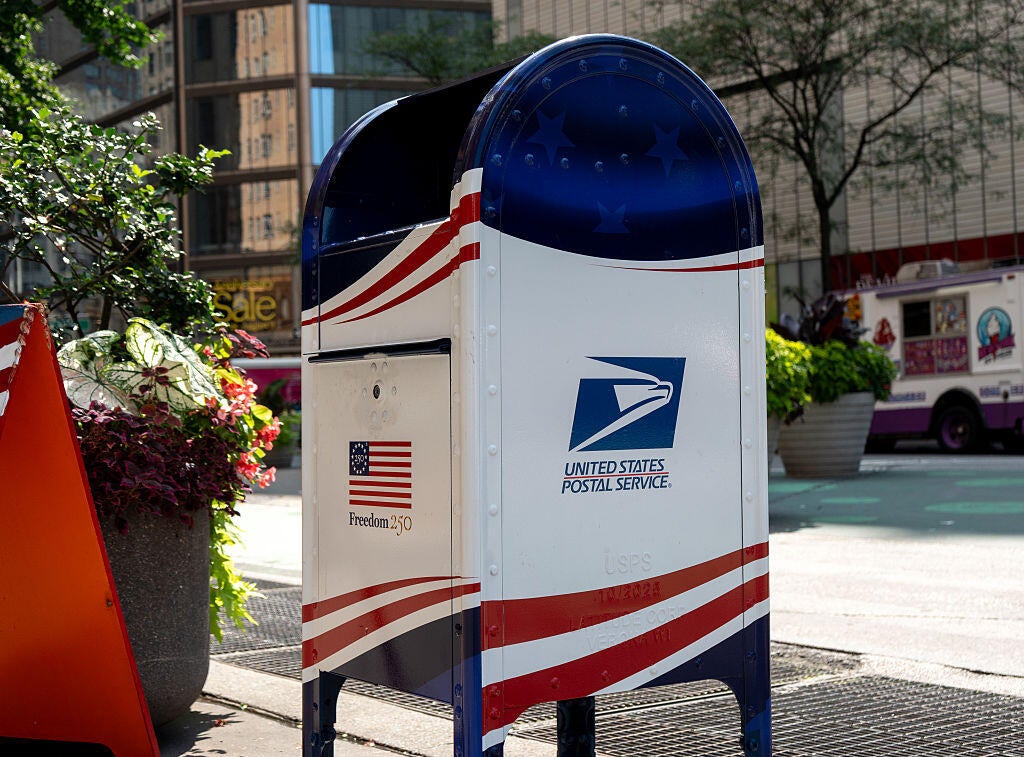
Under the proposed rules, the USPS would function as a filter for election mail. The system requires states to submit information about residents voting by mail—including names, addresses, and individualized barcodes—to an online portal. These voters would be enrolled on state-specific Mail-In and Absentee Participation Lists
.
If a ballot envelope lacks a unique barcode or if the voter's name does not appear on the provided lists, the USPS would not accept the mailing and would return it to the election office. Solicitor General D. John Sauer wrote that states cannot choose to use the federal mails to carry out their elections but then insist that their election-related mail is some how exempt from the Postal Service's rulemaking authority
.
The administration frames these as only modest envelope-design and addressee-information requirements
, according to a filing cited by Aol. Sauer asserted that the rule regulates the mail, not the elections, and should not prevent a single voter from voting by mail.
However, a whistleblower told Congress that the technology is untested and could lead to catastrophic failure
, according to Yahoo News.
Implementation and Legal Stakes
The conflict pits federal postal authority against the constitutional assignment of election administration to the states. The restrictions stem from a March executive order that expanded federal oversight of elections. This broader directive also instructs the Department of Homeland Security to compile State Citizenship Lists
and directs the attorney general to prioritize the prosecution of election officials who issue ballots to ineligible voters.
State and local officials have argued in court that the requirements are practically impossible to meet on this timeline. Many report that envelopes have already been printed, and that submitting massive amounts of data to a federal portal would require resources they do not possess.
Democratic officials and voting rights groups warn the rules disproportionately target Democratic voters, who the MIT Election Data & Science Lab indicates are more likely to vote by mail.
This is the second time the administration has brought this directive to the high court. On August 24, a 6-3 conservative majority lifted an earlier injunction by Judge Talwani, ruling that challenges to the executive order were premature because implementation rules had not been finalized. The three liberal justices dissented. Judge Talwani then issued a new temporary 14-day block on August 27 after the rules were finalized, finding them likely unconstitutional.
The USPS expects the portal for voter lists to be available for voluntary use by sometime next week
, according to executive vice president Steven Monteith.
Case Timeline and Deadlines
- August 24: Supreme Court 6-3 majority lifts initial injunction, ruling challenges were premature.
- August 27: Judge Talwani issues new 14-day block after rules are finalized.
- September 4: Scheduled start of absentee ballot mailing in North Carolina.
- September 10: Current expiration date of Judge Talwani's temporary block.
Justice Ketanji Brown Jackson, who handles emergency appeals from the 1st Circuit, has set a deadline of Tuesday morning, Sept. 9, for states and voting rights organizations to submit their formal responses to the administration's request.
The ultimate resolution depends on whether Justice Jackson grants the administrative stay or if Judge Talwani extends the injunction beyond its Sept. 10 expiration date.
Archypedia is dedicated to independent, evidence-backed reporting. This briefing was synthesized from primary source reporting, corroborated across independent newsrooms, and verified against our Editorial Standards.
Transparency record
Evidence behind this report
This report synthesizes 8 distinct sources. Open the source ledger below to compare the underlying coverage.
Prepared under the Archypedia Editorial Policy by the Samir Haddad editorial desk profile. AI-assisted tools may support drafting and verification; public accountability remains with Archypedia. Report an error.