Pamela Smart judge weighs latest petition for new trial
Pamela Smart, who is serving a life sentence for her role in the 1990 murder of her husband, is seeking a new trial, citing inaccurate trial transcripts.

Legal proceedings in the long-standing case of Pamela Smart reached a pivotal juncture on Monday, 20 July 2026, as a New Hampshire judge took under advisement a motion to dismiss her latest petition for a new trial. The petition, filed in January, seeks to overturn a conviction that has held the defendant, now 58, behind bars.
Smart, who is serving a life sentence without the possibility of parole for her role in the 1990 murder of her husband, Gregory Smart, attended the hearing remotely from the Bedford Hills Correctional Facility for Women in New York. The court’s decision on whether the petition will move forward is expected in 30 to 60 days, according to reports from AP News.
Related media
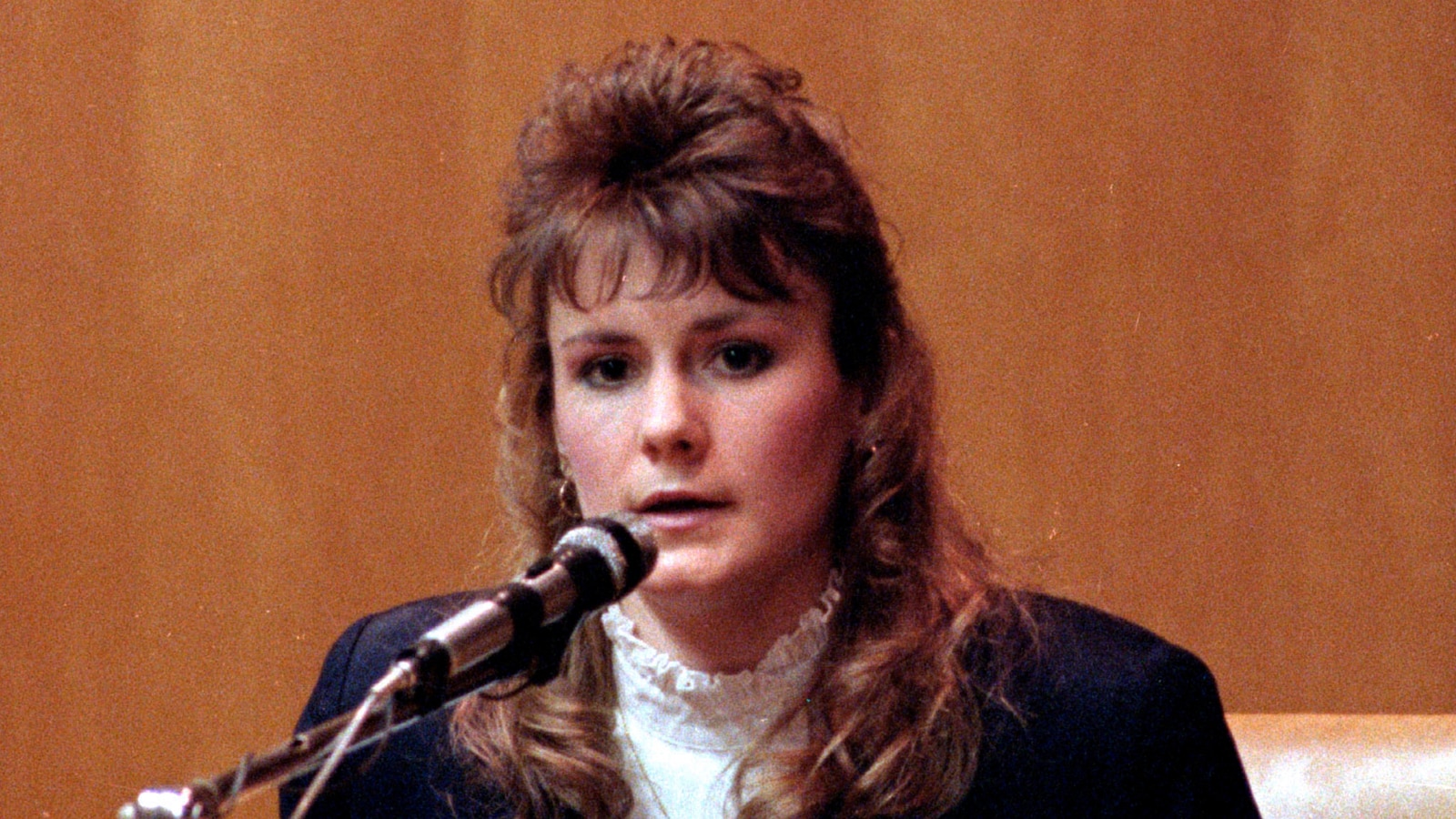


Arguments for a new trial
The core of the defense's argument centers on the assertion that the original jury was misled by inaccurate transcripts of surreptitiously recorded conversations. Defense lawyers contend that these transcripts included specific, damaging words that were not audible on the recordings. These allegedly fabricated elements include the term “killed” in the phrase “you had your husband killed,” the word “busted” in the sentence “I’m gonna be busted” and the word “murder” in the sentence “this would have been the perfect murder.”
"Modern science confirms what common sense has always told us: when people are handed a script, they inevitably hear the words they are shown. Jurors were not evaluating the recordings independently — they were being directed toward a conclusion, and that direction decided the verdict."
Matthew Zernhelt, Attorney for Pamela Smart, via ABC News
Beyond the transcript controversy, the defense has challenged the legal integrity of the initial trial, citing excessive media coverage and what they characterize as faulty jury instructions. They argued jurors were told they must find that Smart acted with premeditation, and were not told they must consider only evidence presented at trial. Furthermore, lawyers for Smart claim the original sentencing was flawed because the court imposed a mandatory life term despite the relevant charge of accomplice to first-degree murder allegedly not carrying such a mandatory requirement under state law.
The state’s rebuttal
In contrast, lawyers for the state have moved to dismiss the petition entirely. As reported by NBC News, the state argues that the majority of these claims are procedurally barred. Prosecutors maintain that the issues were either fully resolved by the New Hampshire Supreme Court on previous appeals or could have been raised at that time and were not.
Regarding the contested transcripts, the state points out that defense counsel at the original trial only raised concerns about the “doubling” of voices when two individuals spoke simultaneously. The trial judge at the time instructed jurors that if they heard something different from the written transcript, they should prioritize what they heard. The state Supreme Court has previously noted that the defense failed to provide a “particularized showing of inaccuracies” or demonstrate how the transcripts caused prejudice.
Historical context and recent shifts
The case remains one of the most prominent in American criminal justice history, famously serving as one of the first high-profile trials to be broadcast live on television from start to finish. The narrative of an affair between a 22-year-old school media coordinator and a 15-year-old student, William Flynn, sparked widespread media attention and inspired cultural works such as Joyce Maynard’s book “To Die For” and the subsequent 1995 film.
Flynn testified that Smart told him she needed her husband killed because she feared she would lose everything if they divorced and that she threatened to break up with him if he didn’t kill her husband. Flynn and another teenager, Patrick Randall, carried out the murder, with both receiving sentences of 28 years to life; both were granted parole in 2015. Two other teenagers served prison sentences and have been released.
Smart’s legal efforts have faced consistent hurdles. She has unsuccessfully petitioned the state council for a sentence reduction multiple times, and an appeal of one rejection was dismissed by the state Supreme Court in 2023. New Hampshire Gov. Kelly Ayotte rejected a request last year to bring the matter before the council again, stating the case did not warrant a hearing. However, in 2024, Smart publicly acknowledged responsibility for her husband's death, describing her previous years of denial as a “coping mechanism,” as noted by Ocregister.
Summary of Legal Standing
| Action/Claim | Defense Position | State Position |
|---|---|---|
| Trial Transcripts | Argue they included inaudible, prejudicial words. | Claims were addressed; defense failed to show bias. |
| Jury Instructions | Claims they were faulty and emphasized premeditation. | Barred by previous appellate resolutions. |
| Sentencing | Argues mandatory life was not required by law. | Previously resolved or procedurally barred. |
Archypedia is dedicated to independent, evidence-backed reporting. This briefing was synthesized from primary source reporting, corroborated across independent newsrooms, and verified against our Editorial Standards.
Transparency record
Evidence behind this report
This report synthesizes 5 distinct sources. Open the source ledger below to compare the underlying coverage.
Prepared under the Archypedia Editorial Policy by the Mara Ionescu editorial desk profile. AI-assisted tools may support drafting and verification; public accountability remains with Archypedia. Report an error.