France and Spain battle wildfires threatening Bordeaux and mass evacuations
Destructive wildfires driven by intense summer heat are advancing toward Bordeaux and ravaging regions across France and Spain, prompting mass evacuations.
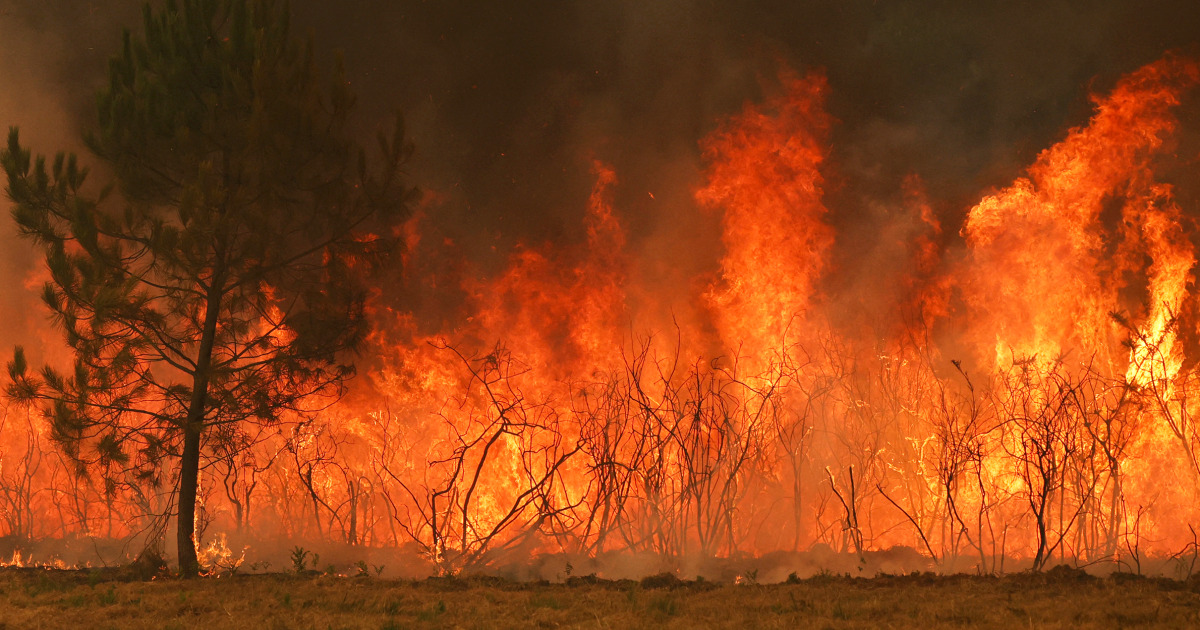
Destructive wildfires advanced toward the outskirts of Bordeaux on Sunday, July 26, 2026, placing emergency services under severe strain as catastrophic blazes continued to ravage parts of France and Spain, according to NBC News.
The unfolding disaster sits against a backdrop of intense summer heat. In both Bordeaux and the central Spanish province of Ávila, July high temperatures have averaged 32 degrees Celsius, sitting nearly 6 degrees above normal seasonal highs recorded between 1961 and 1990, as reported by the Smh.
Related media
The Crisis in France and the Gironde Firestorm
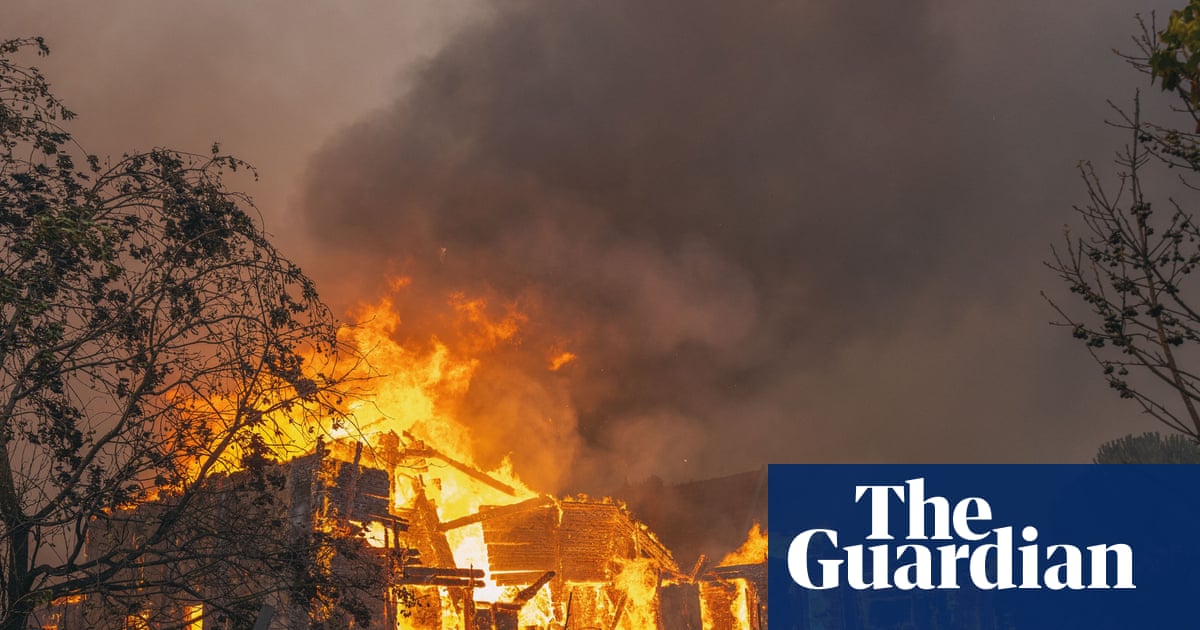
In France, the epicenter of the crisis centers on the Gironde region, where a massive wildfire has consumed roughly 42,000 hectares — an expanse four times the size of Paris. The blaze has ravaged the popular tourist destination of the Cap Ferret peninsula on the Atlantic coast and pushed toward the regional capital of Bordeaux. Bordeaux Mayor Thomas Cazenave described the fire as being at the gates of the metropolitan area, situated roughly 15 to 20 miles from the city center itself. While the wider metropolitan area houses about 850,000 residents according to Smh (or roughly 268,000 in the city proper, as noted by The Guardian), Cazenave maintained that a full evacuation of the city was not currently planned.
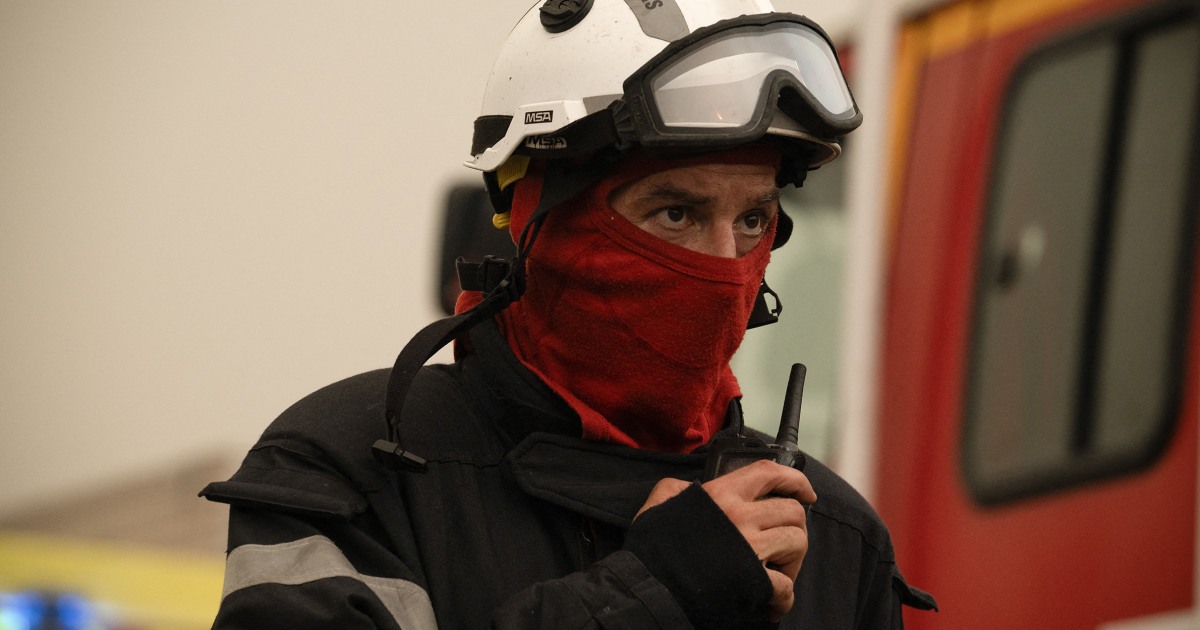
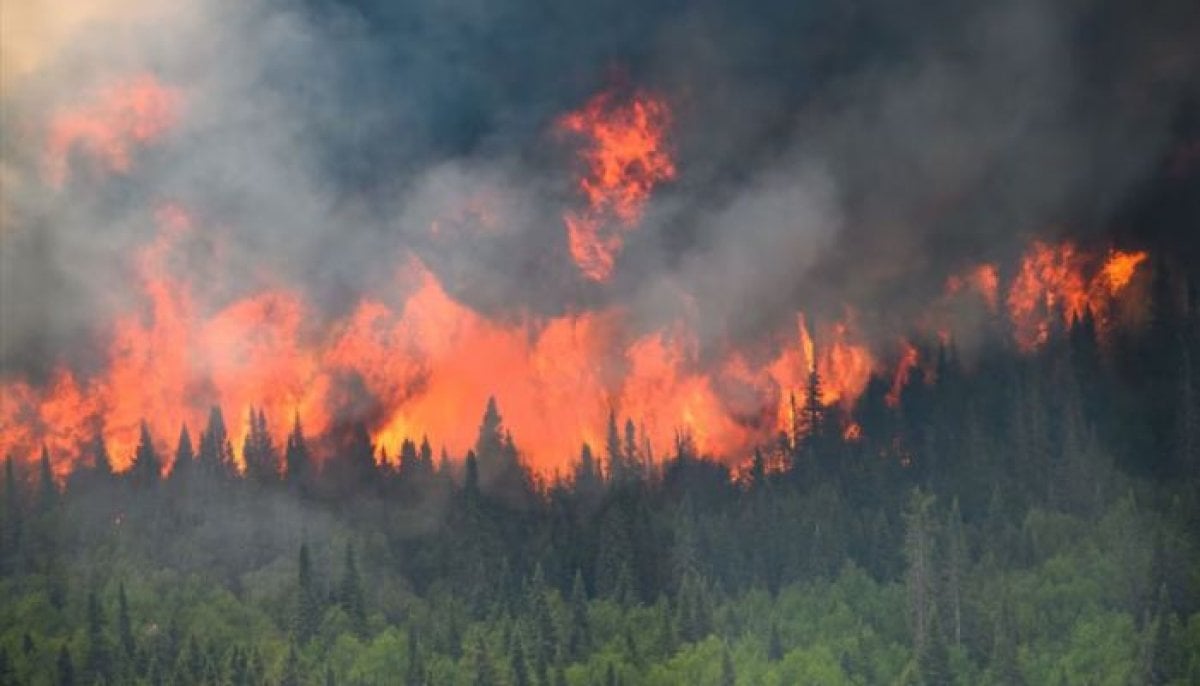
The situation in France has been compounded by volatile weather phenomena born directly from the fires. Sophie Brocas, the prefect of the Nouvelle-Aquitaine region, warned tourists to stay away from the Gironde area, noting the unpredictable nature of the blaze. French Interior Minister Laurent Nuñez stated that the previous night had been difficult and the overall situation remained highly unfavourable. Nuñez explained that the Gironde fire had become extremely virulent after generating its own wind and spreading erratically. A spokesperson for the National Firefighters Federation of France, along with frontline personnel, noted that the blaze formed a pyrocumulonimbus — a fire-generated thunderstorm that creates its own wind whirlwinds, marking a phenomenon never previously observed in France, though more commonly seen in Australia and Canada.
Rescue operations have involved thousands of personnel. Nuñez reported that approximately 2,500 firefighters, including a team from Switzerland, alongside 1,500 military personnel and 1,200 police officers, were deployed to Gironde. The human toll has also mounted; since Wednesday, 75 firefighters have been injured in Gironde, with 10 evacuated according to local prefecture reports. Sebastien Bouvier, federal secretary of France’s CFDT union, raised concerns that firefighters lacked adequate equipment to protect themselves from toxic fumes. Meanwhile, police in Gironde arrested three individuals over the weekend, including a man smoking in the forest and two people having barbecues in forested areas.
Evacuation totals across France reached approximately 260,000 people, including tens of thousands forced to leave another wildfire zone in the Landes region farther south, where 3,600 hectares have burned. Additional blazes forced the evacuation of 3,000 people in the south-eastern Var region, as well as incidents in the Hautes-Alpes and Corsica. An exhibition center in Bordeaux was repurposed into an emergency shelter offering camp beds and food for thousands of displaced residents, including elderly individuals evacuated from local care homes.
Spain’s Record-Breaking Blazes and International Aid
Across the border, Spain has experienced its own historic devastation. Spanish Prime Minister Pedro Sánchez, visiting fire-hit areas in Ávila alongside Madrid and Toledo, warned that the entire Iberian peninsula was suffering the specific consequences of the climate emergency. Sánchez noted that more than 370,000 acres, or over 150,000 hectares, have burned across Spain since January, marking six times the area destroyed during the same period in the previous year. Environment Minister Sara Aagesen characterized the Ávila wildfire, which burned through 50,000 hectares of land, as the largest forest fire in the country's recent history.
While major fires west of Madrid showed signs of coming under control, emergency crews faced severe challenges elsewhere. In Spain's eastern Castellón and València provinces, a fast-moving blaze entered the Sierra de Espadán natural park, which contains large forests of pine trees and cork oaks. Juanfran Pérez Llorca, the regional leader of Valencia, told reporters that the fire was out of control and beyond local capacity to extinguish due to adverse technical and weather conditions. Tragically, a man was found dead in a car in a ravine in the Valencian town of Manises. Authorities also ordered the evacuation of eight more municipalities near Toledo, pushing Spain's total displaced population past the tens of thousands.
To bolster domestic efforts, international assistance arrived under the European Union’s Civil Protection Mechanism. Greece and Italy each dispatched two Canadair firefighting aircraft to Spain, while Portugal deployed more than 100 military personnel with equipment. The Spanish Interior Ministry announced via X that two additional planes would arrive from Turkey as soon as possible. Prime Minister Sánchez further announced that his government would declare a civil protection emergency for the central provinces on Tuesday to unlock crucial recovery funding.
Broader European Impact and Outlook
The crisis has extended beyond France and Spain. In Scotland, roughly 500 firefighters spent weeks tackling a large blaze within Cairngorms National Park, though residents of the evacuated village of Nethy Bridge were permitted to return home late Saturday. In Italy, bushfires forced the closure of a southern section of the Rome ring road and a motorway leading to the capital, while tourists were evacuated by sea by the coast guard in the Gargano area of Puglia. Spiritual solidarity came from Pope Leo, who addressed the disaster from his summer residence of Castel Gandolfo outside Rome, inviting prayers for affected communities and rescue workers.
As fire crews continue their grueling work on the ground, European officials expect damage to surpass previous historical records given the early start of the wildfire season. Authorities plan to maintain tight safety perimeters, assess local economic fallout in tourism-dependent regions like Bordeaux, and monitor shifting weather patterns that continue to dictate the spread of the flames.
Archypedia is dedicated to independent, evidence-backed reporting. This briefing was synthesized from primary source reporting, corroborated across independent newsrooms, and verified against our Editorial Standards.
Transparency record
Evidence behind this report
This report synthesizes 4 distinct sources. Open the source ledger below to compare the underlying coverage.
Prepared under the Archypedia Editorial Policy by the Mara Ionescu editorial desk profile. AI-assisted tools may support drafting and verification; public accountability remains with Archypedia. Report an error.