
Marka-e-Haq: Grand Ceremony Held at PMA Kakul – RADIO PAKISTAN Highlights National Defense Resolve
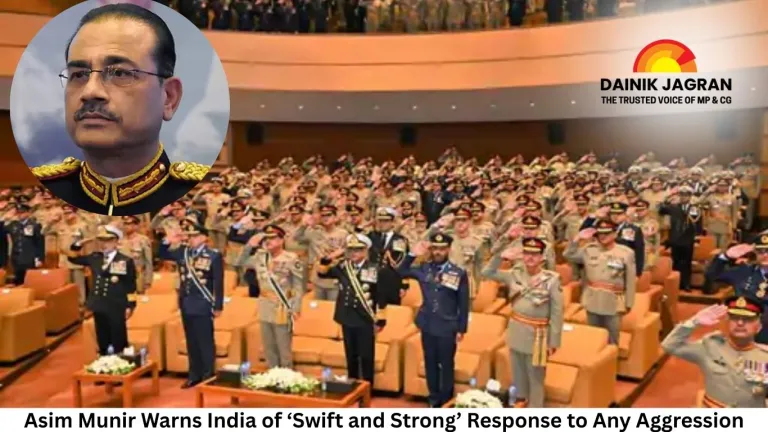
In a powerful display of military discipline and national resolve, a high-profile event commemorating the first anniversary of Marka-e-Haq: Grand ceremony held at PMA Kakul – RADIO PAKISTAN has underscored Pakistan’s unwavering commitment to its territorial integrity. The ceremony, hosted at the prestigious Pakistan Military Academy (PMA) in Kakul, served as more than just a commemorative gathering; it functioned as a strategic signal to both domestic and international audiences regarding the country’s defense posture and its readiness to counter external threats.
The event was characterized by a solemn yet resolute atmosphere, bringing together the upper echelons of the military leadership, senior government officials, and the cadets who represent the future of the nation’s defense. At the heart of the proceedings was a clear message of deterrence, delivered with precision by the military command, emphasizing that any attempt to destabilize the region or infringe upon Pakistan’s sovereignty would be met with an overwhelming response.
The Significance of the Marka-e-Haq Anniversary
The term “Marka-e-Haq,” which translates to the “Battle of Truth” or “Battle for the Right,” carries deep ideological and strategic weight. Marking its first anniversary at PMA Kakul is a symbolic choice, as the academy is the crucible where the leadership of the Pakistan Army is forged. By centering the celebrations here, the state reinforces the link between the values of the past and the training of the future.
The anniversary serves as a reminder of the sacrifices made by the armed forces and a reaffirmation of the doctrine of “defense through strength.” The ceremony was designed to honor the bravery of the soldiers while simultaneously projecting a modern, capable, and vigilant military force. The presence of the country’s top civilian leadership alongside military chiefs indicates a unified front, a critical component of national security in a volatile geopolitical environment.
“The resolve of the nation is mirrored in the discipline of its soldiers. Marka-e-Haq is not merely a date on the calendar but a testament to the enduring spirit of a people who refuse to be intimidated.”
Strategic Warnings: Analyzing the CDF’s Stance on ‘Misadventure’
One of the most critical aspects of the ceremony was the address by the Chairman Joint Chiefs of Staff Committee (CJCSC), General Munir. In a speech that resonated with strategic clarity, the CDF issued a stern warning against any future “misadventure.” The use of the term “misadventure” in military parlance often refers to covert operations, unexpected incursions, or provocative maneuvers intended to test a nation’s defenses.
The Nature of the Response
General Munir did not mince words when describing the consequences of potential aggression. He characterized the response to any future provocation as “extremely widespread” and “painful.” This phrasing is a deliberate shift toward a more assertive deterrence strategy. By describing the response as “widespread,” the military suggests that its counter-measures would not be limited to a localized area but would encompass a comprehensive strategic response across multiple domains.
Far-Reaching Consequences
The CDF further elaborated that any aggression would lead to “far-reaching consequences.” In the context of South Asian geopolitics, this implies a shift from a purely defensive posture to one of active deterrence. The goal is to ensure that the cost of aggression far outweighs any perceived benefit for an adversary. This approach is designed to maintain a precarious balance of power, ensuring that stability is preserved through the credible threat of retaliation.
| Strategic Term | Implied Meaning in Defense Context | Objective |
|---|---|---|
| “Misadventure” | Covert incursions or provocative military probes. | Identify and discourage clandestine aggression. |
| “Widespread Response” | Multi-domain retaliation (Land, Air, Sea, Cyber). | Demonstrate total operational capability. |
| “Painful Consequences” | High-cost attrition and strategic loss for the aggressor. | Establish a psychological barrier to aggression. |
| “Far-reaching” | Long-term geopolitical and economic repercussions. | Signal that conflict will not be short-lived or localized. |
Civilian Leadership and the Tribute to Armed Forces
The synergy between the military and the civilian government was a prominent theme of the event. Both the President and the Prime Minister paid glowing tributes to the armed forces on the occasion of the Marka-e-Haq anniversary. Their messages emphasized the symbiotic relationship between the state’s political will and its military capability.
The President’s tribute focused on the “indomitable courage” of the soldiers, framing the military’s role as the ultimate guarantor of peace. Meanwhile, the Prime Minister underscored the importance of the armed forces in maintaining stability, which in turn provides the necessary environment for economic growth and social development. This alignment is crucial, as it signals to the world that there is no rift between the decision-makers and the executors of national security policy.
The tributes were not merely ceremonial; they served as a public validation of the military’s current strategic direction. By praising the forces’ readiness, the civilian leadership reinforces the narrative that the nation is prepared for any eventuality, thereby strengthening the internal morale of the citizenry.
The Imperative of National Unity
Beyond the military hardware and strategic warnings, the ceremony addressed the internal dimensions of national strength. A significant portion of the discourse, notably highlighted by Nehal, focused on the indispensable role of national unity. The argument presented was simple yet profound: military strength is only as effective as the social cohesion behind it.
Unity as a Force Multiplier
In strategic terms, national unity acts as a “force multiplier.” When a population is unified and supportive of its defense institutions, the psychological resilience of the state increases. This makes the country less susceptible to hybrid warfare, misinformation campaigns, and internal destabilization efforts often employed by adversaries to weaken a state from within.
Overcoming Internal Divides
The emphasis on unity serves as a call to action for all citizens to transcend political, ethnic, and social differences in the interest of national survival. The message was clear: while the army guards the borders, the citizens must guard the internal fabric of the nation. Without this internal stability, the external defenses—no matter how sophisticated—could be undermined.

For those interested in how internal stability affects regional diplomacy, a related explainer on national security frameworks may provide further insight into the intersection of domestic policy and foreign defense.
Contextualizing Marka-e-Haq in the Broader Security Landscape
To fully understand the weight of the Marka-e-Haq: Grand ceremony held at PMA Kakul – RADIO PAKISTAN event, one must look at the broader security challenges facing the region. Pakistan operates in a complex environment characterized by volatile borders, the persistent threat of terrorism, and a challenging relationship with neighboring states.
The Evolution of Deterrence
Over the last decade, Pakistan’s defense strategy has evolved from traditional border defense to a more comprehensive “Full Spectrum Deterrence.” This involves not only conventional forces but also strategic assets and asymmetric capabilities. The Marka-e-Haq anniversary is a public manifestation of this evolved doctrine. The shift is evident in the language used by General Munir, which moves away from passive defense toward a more proactive stance of deterrence.
The Role of PMA Kakul
PMA Kakul is not just a training ground; it is a symbol of the professionalization of the officer corps. By holding the ceremony here, the state highlights the importance of intellectual and tactical rigor. The cadets watching the proceedings are reminded that their training is not just about combat, but about the strategic responsibility of safeguarding a nuclear-armed state in a high-tension zone.
Common Misconceptions Regarding Defense Narratives
When high-level military warnings are issued, they are often misinterpreted by observers. It is key to clarify a few common misconceptions regarding the rhetoric used during the Marka-e-Haq ceremony:
- Misconception 1: The warnings are a sign of imminent conflict.
Reality: In strategic studies, “deterrence” is the act of preventing conflict by making the cost of aggression prohibitively high. Strong warnings are typically intended to avoid war, not initiate it. - Misconception 2: The focus is purely on conventional weaponry.
Reality: The emphasis on “widespread” responses and “national unity” suggests a holistic approach that includes cyber defense, economic resilience, and psychological warfare. - Misconception 3: The event is purely symbolic.
Reality: While ceremonies have symbolic value, the timing and the specific wording of the CDF’s address are carefully calibrated messages intended for foreign intelligence agencies and military planners.
Implications for Regional Stability and Global Perception
The international community, particularly global powers and regional neighbors, views such ceremonies through a lens of strategic analysis. The clear message of “painful consequences” is intended to create a psychological deterrent. When a state publicly declares its readiness and the unity of its civil-military leadership, it reduces the likelihood of “miscalculations” by adversaries.
However, this assertive posture also places a responsibility on the state to maintain diplomatic channels. The balance between “strong deterrence” and “diplomatic engagement” is the tightrope that Pakistan’s leadership must walk. The Marka-e-Haq event reinforces the “strong” side of that balance, ensuring that diplomacy is conducted from a position of strength rather than vulnerability.
Key Takeaways from the Event
- Unified Command: The visible alignment between the President, Prime Minister, and CDF signals a cohesive national strategy.
- Assertive Deterrence: The shift toward describing responses as “widespread and painful” indicates a zero-tolerance policy toward external aggression.
- Internal Resilience: The call for national unity highlights that social cohesion is viewed as a critical component of national security.
- Institutional Continuity: Hosting the event at PMA Kakul ensures that the ethos of “Marka-e-Haq” is passed down to the next generation of military leaders.
Frequently Asked Questions
What is the meaning of “Marka-e-Haq”?
Marka-e-Haq translates to the “Battle of Truth” or “Battle for the Right.” It is used to describe a struggle or conflict fought for a righteous cause, emphasizing the moral and ethical justification for the nation’s defense efforts.
Why was the ceremony held at PMA Kakul?
The Pakistan Military Academy (PMA) in Kakul is the premier training institution for the army’s officer corps. Holding the ceremony there symbolizes the passing of tradition, values, and strategic resolve from the current leadership to the future commanders of the armed forces.
What did CDF General Munir mean by “misadventure”?
“misadventure” refers to any unauthorized or provocative military action, such as covert incursions, intelligence-led destabilization, or unexpected border violations. The warning is intended to discourage any adversary from attempting such actions.
How does national unity contribute to military strength?
National unity serves as a psychological foundation. When the citizenry is aligned with the state’s security objectives, it increases the country’s resilience against hybrid warfare, prevents internal fragmentation, and provides the political legitimacy needed to sustain long-term defense strategies.
What are the implications of the “widespread and painful” response warning?
This phrasing suggests that Pakistan’s response to aggression would not be limited to a simple “tit-for-tat” exchange. Instead, it implies a comprehensive counter-offensive that could span multiple domains (land, air, sea, and cyber) to ensure the aggressor suffers significant and lasting losses.
The events surrounding Marka-e-Haq: Grand ceremony held at PMA Kakul – RADIO PAKISTAN serve as a potent reminder that national security is a multifaceted endeavor. It requires the precision of the military, the vision of the political leadership, and the unwavering support of the people. As the region continues to navigate complex security dynamics, the messages of deterrence and unity emanating from Kakul will likely remain central to Pakistan’s strategic narrative.
