
South Korea Backs BARMM Peace Process: A Strategic Pivot Toward Stability in Mindanao
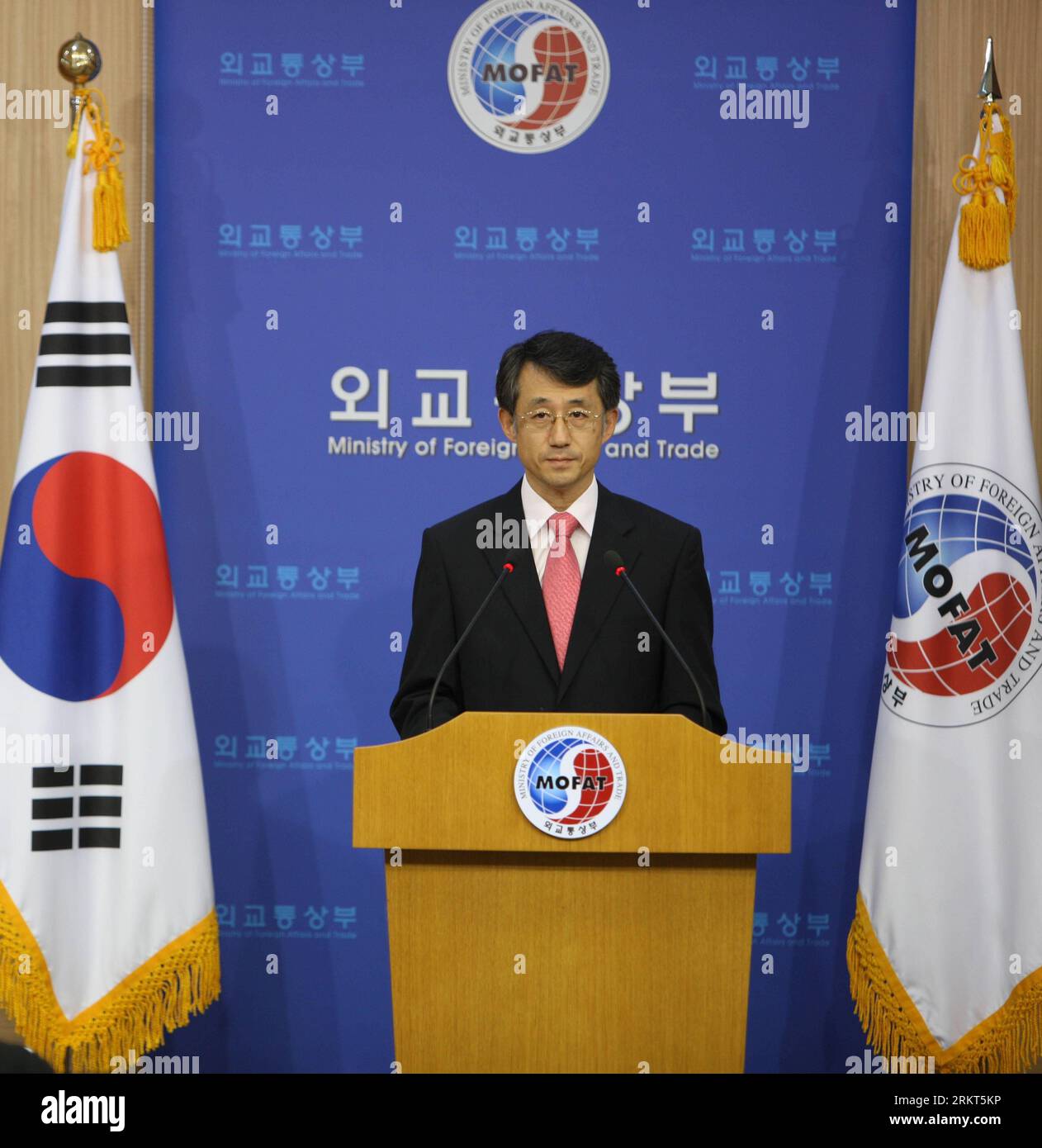
The geopolitical landscape of Southeast Asia is witnessing a significant diplomatic alignment as South Korea formally strengthens its commitment to the stability of the southern Philippines. In a move that underscores the international community’s investment in regional security, the news that South Korea backs BARMM peace process – BusinessWorld – BusinessWorld Online signals more than just a financial contribution; it represents a strategic endorsement of the transition toward lasting peace in the Bangsamoro Autonomous Region in Muslim Mindanao (BARMM).
For decades, the region has been the epicenter of complex ethnic, religious, and political struggles. The shift toward autonomy, spearheaded by the agreement between the Philippine government and the Moro Islamic Liberation Front (MILF), has reached a critical juncture. The entry of South Korea as a key supportive partner provides the BARMM transition government with not only the capital required for infrastructure but also the technical expertise of a nation that famously transitioned from the ruins of war to a global economic powerhouse.
The Mechanics of South Korean Support for the Bangsamoro
South Korea’s involvement in the BARMM peace process is characterized by a holistic approach to “developmental peace.” Rather than focusing solely on security or military aid, Seoul is prioritizing the socio-economic foundations that prevent a relapse into conflict. This support is primarily channeled through diplomatic channels and development agencies, focusing on the “normalization” process—the complex transition of former combatants into productive civilian lives.
The core of the support system typically revolves around three primary pillars:
- Capacity Building: Enhancing the governance capabilities of the BARMM interim government to ensure that public services reach the most marginalized communities.
- Infrastructure Development: Investing in roads, bridges, and digital connectivity to integrate the region into the national and global economy.
- Livelihood Programs: Implementing agricultural and vocational training to provide sustainable income for families who have lived through generations of instability.
“Peace is not merely the absence of war, but the presence of opportunity. By backing the BARMM process, South Korea is investing in the belief that economic prosperity is the most effective deterrent to insurgency.”
The Role of KOICA and Technical Cooperation
A central player in this partnership is the Korea International Cooperation Agency (KOICA). By leveraging its experience in rural development and governance, KOICA provides a blueprint for how the BARMM can modernize its agricultural sector. South Korea’s own history with the Saemaul Undong (New Village Movement) serves as a potential case study for the Bangsamoro region, demonstrating how community-led development can rapidly lift rural populations out of poverty.
This technical cooperation is vital because the BARMM faces a “governance gap.” While the legal framework for autonomy is in place, the actual delivery of healthcare, education, and justice remains a challenge. South Korean expertise in e-governance and administrative efficiency is precisely what is needed to bridge this gap.
Understanding the BARMM Context: From Conflict to Autonomy
To appreciate why the fact that South Korea backs BARMM peace process – BusinessWorld – BusinessWorld Online is so significant, one must understand the historical weight of the conflict in Mindanao. For over half a century, various groups fought for independence or greater autonomy, citing systemic neglect and cultural marginalization by the central government in Manila.
The creation of the BARMM was the culmination of years of negotiation, most notably the 2014 Comprehensive Agreement on the Bangsamoro (CAB). Unlike its predecessor, the ARMM (Autonomous Region in Muslim Mindanao), the BARMM possesses greater fiscal autonomy and a more robust parliamentary system, allowing for a more inclusive form of local governance.
| Feature | Former ARMM | Current BARMM |
|---|---|---|
| Governance Structure | Presidential/Unitary | Parliamentary System |
| Fiscal Power | Highly dependent on Manila | Increased block grants and resource sharing |
| Political Mandate | Limited local autonomy | Broad autonomy over legislation and administration |
| Peace Foundation | Fragmented agreements | Based on the Comprehensive Agreement on the Bangsamoro (CAB) |
The “Normalization” Hurdle
The most precarious part of the peace process is “normalization.” This involves the decommissioning of weapons and combatants from the MILF and the subsequent provision of socio-economic packages to ensure these individuals do not return to violence. This is where international backing becomes critical. Decommissioning is not just about taking away guns; it is about replacing the “gun economy” with a “market economy.”
When a global leader like South Korea steps in, it provides a psychological boost to the region, signaling to both the MILF and the Philippine government that the world is watching and invested in the success of this transition.
Why South Korea? The Strategic Logic Behind the Partnership
Observers may wonder why a Northeast Asian power is focusing its diplomatic energy on the southern Philippines. The answer lies in a combination of economic interest, diplomatic strategy, and a shared historical narrative of recovery.
1. The “K-Development” Export
South Korea has successfully branded its journey from a war-torn agrarian society to a high-tech industrial giant. By applying this “K-Development” model to the BARMM, Seoul expands its soft power and establishes itself as a leader in global peacebuilding. It proves that the Korean model of development is scalable and adaptable to different cultural and religious contexts.
2. Diversifying Economic Interests
Mindanao is rich in natural resources, including minerals, rubber, and palm oil. As South Korea seeks to diversify its supply chains and reduce reliance on a few key partners, establishing strong ties with the BARMM opens doors for future Korean investments in agriculture and energy. A stable BARMM is a prerequisite for any significant foreign direct investment (FDI).
3. Strengthening the Indo-Pacific Strategy
Within the broader context of the Indo-Pacific strategy, South Korea aims to be a “Global Pivotal State.” By contributing to peace in the Philippines—a key strategic ally—Seoul enhances its standing as a responsible global actor. Supporting the BARMM peace process allows South Korea to engage with the Muslim world through a developmental lens, fostering goodwill beyond its traditional trade partners.
Potential Challenges and Risks to the Peace Process
Despite the optimistic news that South Korea backs BARMM peace process – BusinessWorld – BusinessWorld Online, the road to lasting peace is fraught with obstacles. International funding is a catalyst, but it cannot replace the need for internal political will.
The Threat of Spoilers
Not every group in Mindanao is aligned with the MILF-government agreement. “Spoiler” groups—small factions or extremist elements—often attempt to derail the peace process through targeted violence or by exploiting local grievances. If international aid is seen as benefiting only the political elite of the BARMM, it could inadvertently fuel resentment among the grassroots population.
The Governance Learning Curve
The transition to a parliamentary system is a massive undertaking. The BARMM leadership is essentially learning how to run a government while simultaneously managing a peace process. There is a risk that bureaucratic inefficiency could lead to the misuse of funds, which would jeopardize the trust of international donors like South Korea.
Sustainability of Funding
Peacebuilding is a marathon, not a sprint. The “normalization” process takes years, if not decades. The challenge for the BARMM is to move from a state of “aid dependence” to “economic self-sufficiency.” South Korea’s support is a vital bridge, but the end goal must be a region that can fund its own peace and development.
Comparing International Contributions to BARMM
South Korea is not the only international actor involved in the Bangsamoro. To understand the unique value of Korean support, it is helpful to compare it with other contributors.
- Turkey: Focuses heavily on religious solidarity, educational scholarships, and cultural ties, leveraging its position as a leading Muslim-majority nation.
- The European Union (EU): Primarily focuses on human rights, democratic governance, and large-scale humanitarian aid.
- Japan: Historically the largest donor in Mindanao, focusing on massive infrastructure projects (bridges and roads) and disaster risk reduction.
- South Korea: Carves out a niche by blending high-tech governance, rural development models (Saemaul Undong), and strategic economic integration.
By combining these diverse streams of support, the BARMM is receiving a multifaceted “toolkit” for stability. While Japan builds the roads and Turkey fosters cultural ties, South Korea helps build the administrative systems that make those roads and ties economically viable.
The Long-Term Economic Implications for Mindanao
If the support from South Korea and other partners yields results, the economic transformation of the BARMM could be profound. The region has the potential to become an agricultural hub for the BIMP-EAGA (Brunei-Indonesia-Malaysia-Philippines East ASEAN Growth Area).
Potential growth areas include:
- Halal Industry: With the right investment and certification standards, BARMM could become a global leader in Halal food and cosmetics, a market where South Korean companies already have significant expertise.
- Sustainable Energy: The region’s geography is ripe for solar and hydroelectric power, areas where South Korean technology is world-leading.
- Eco-Tourism: The natural beauty of the Bangsamoro islands, once fully secured, could attract high-value tourism, mirroring the success of other Southeast Asian coastal destinations.
For a deeper dive into how regional stability affects trade, you might explore a related explainer on ASEAN economic integration.
Frequently Asked Questions
Why is South Korea supporting the BARMM peace process?
South Korea’s support is driven by a mix of diplomatic strategy and economic interest. By helping stabilize the BARMM, Seoul enhances its role as a “Global Pivotal State,” exports its successful development model, and creates a safer environment for future Korean investments in the Philippines.
What is the “normalization” process in the BARMM?
Normalization is the process of transitioning former combatants from the MILF into civilian life. This includes the decommissioning of weapons and the provision of socio-economic packages, such as housing, education, and livelihood support, to prevent a return to conflict.

How does South Korea’s approach differ from other donors?
While some donors focus on humanitarian aid or religious ties, South Korea emphasizes “developmental peace.” This involves blending infrastructure projects with technical capacity building in governance and rural development, drawing on its own experience of rapid modernization.
What are the main risks to the success of this partnership?
The primary risks include the activities of “spoiler” groups who oppose the peace agreement, potential bureaucratic inefficiency within the interim BARMM government, and the challenge of ensuring that aid reaches the grassroots level rather than just the political leadership.
Will this lead to more Korean companies investing in Mindanao?
Yes, that is a likely long-term outcome. Diplomatic support and development aid often act as “trailblazers” for private sector investment. Once the region is perceived as stable and the legal framework is clear, Korean firms in agriculture, energy, and technology are more likely to enter the market.
The Path Forward for the Bangsamoro
The announcement that South Korea backs BARMM peace process – BusinessWorld – BusinessWorld Online is a testament to the growing international consensus that the stability of the southern Philippines is a global concern. The partnership between Seoul and the BARMM represents a sophisticated approach to peacebuilding—one that recognizes that a ceasefire is only the beginning, and that true peace is built on the foundation of schools, roads, and sustainable jobs.
As the BARMM continues its transition, the success of this international partnership will be measured not by the amount of money pledged, but by the number of former combatants who find meaningful work and the number of children in Mindanao who grow up without the shadow of conflict. The world is now providing the tools; the task of building a lasting peace remains in the hands of the Filipino people and the leadership of the Bangsamoro.
For those monitoring the geopolitical shifts in the region, the next few years will be critical. The ability of the BARMM to implement its autonomous powers, supported by the technical and financial backing of partners like South Korea, will determine if this region becomes a beacon of successful autonomy or a cautionary tale of missed opportunities. With the current trajectory, the synergy of local political will and international expertise offers the most promising outlook for Mindanao in a generation.
