The IBEX 35 reached new historic highs after Brent crude oil prices dropped to $87 per barrel, according to reports from RTVE and El Confidencial. The market rally followed an announcement from Donald Trump regarding a pending peace agreement with Iran, which reduced geopolitical tensions in the Middle East and lowered energy costs.
- IBEX 35: Surged 2.5% to hit record peaks.
- Brent Crude: Fell to $87 per barrel.
- Catalyst: Announcement of a nearing peace deal with Iran.
Why the IBEX 35 Hit Record Highs
The Spanish benchmark index jumped 2.5%, pulverizing previous records according to Expansión. This surge was driven by a sudden shift in investor sentiment following news that the U.S. is close to reaching a deal with Iran. According to El Economista, the index anotar new historic maximums immediately following the announcement from Donald Trump.
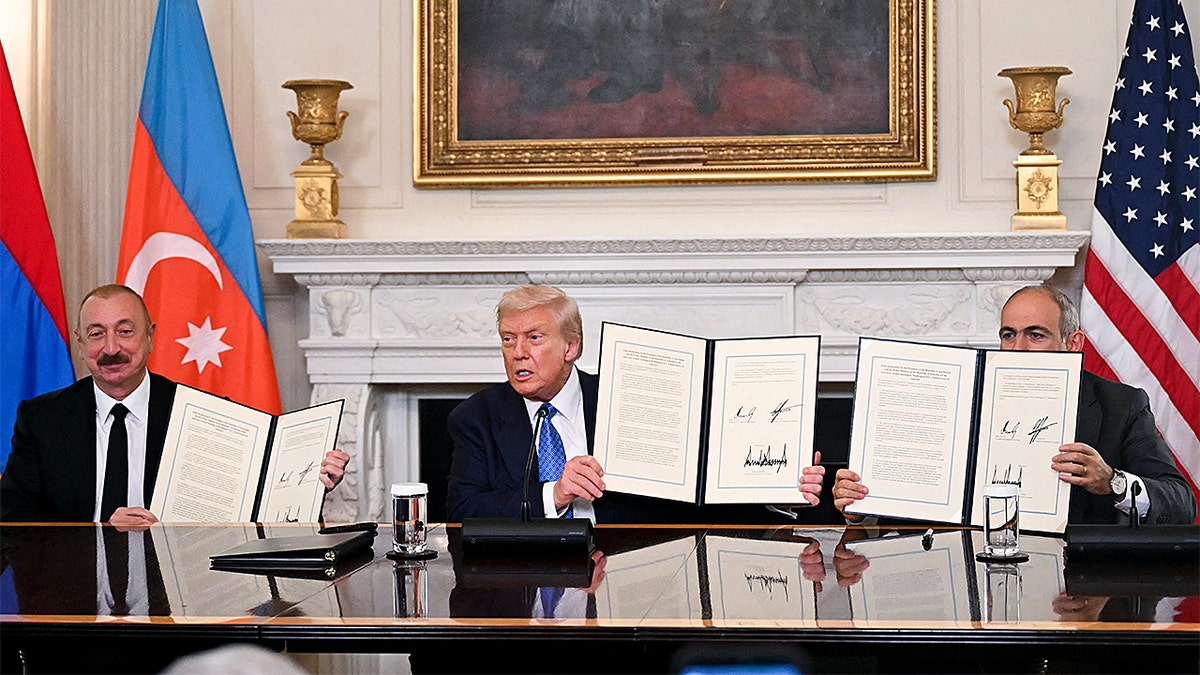
The rally reflects a broader market reaction to the cooling of tensions in the Middle East. When geopolitical risks subside, investors typically move capital away from “safe-haven” assets and back into equity markets, which in this case pushed the IBEX 35 to unprecedented levels.
How Brent Crude’s Drop to $87 Influenced Stocks
Oil prices acted as the primary engine for the stock market’s climb. Brent crude fell to $87 per barrel, according to El Confidencial, and dropped below the $90 threshold, as reported by Cinco Días.
Lower oil prices generally reduce operational costs for a wide range of companies within the IBEX 35, particularly those in the transport, manufacturing, and utility sectors. By lowering the cost of energy inputs, the drop in Brent crude improves profit margins and reduces inflationary pressure on the broader economy, making Spanish equities more attractive to investors.
The Impact of the Iran Peace Agreement
The market volatility was halted by the prospect of diplomatic resolution. According to reports from El Confidencial, the surge occurred as attacks were halted following Trump’s signals regarding the proximity of an agreement with Iran.
This diplomatic shift directly impacts energy markets because Iran is a major global oil producer. The anticipation of a peace agreement suggests a more stable supply of oil to the global market, removing the “risk premium” that usually spikes prices during times of conflict in the Middle East.
