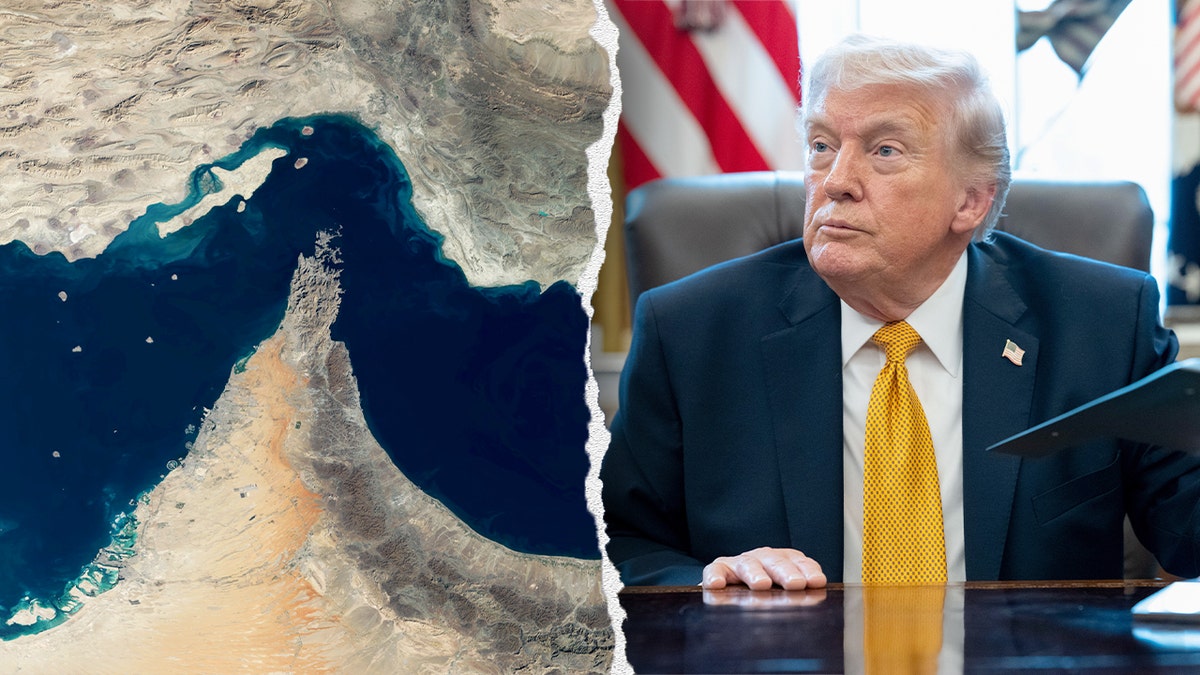
Donald Trump has announced a new agreement to reopen the Strait of Hormuz, a move that could lead to a “permanent and immediate cessation of hostilities” according to reports from Iranian media. While the U.S. president claims a diplomatic breakthrough, Iranian officials stated they have not yet reached a decision on the proposal.
- Core Proposal: Reopening of the Strait of Hormuz.
- Reported Terms: Immediate and permanent end to hostilities (per Iranian media).
- Iran’s Status: Undecided on the agreement.
- Military Context: U.S. Army investigating destruction of Iranian water reservoirs.
What are the terms of the proposed agreement?
The deal announced by Donald Trump centers on the reopening of the Strait of Hormuz, one of the world’s most critical oil transit chokepoints. According to the Iranian media outlet Mehr, the agreement would result in a “cessation permanente et immédiate des hostilités” between the United States and Iran.
How has Iran responded to the announcement?
The Iranian government has not formally accepted the terms. According to public statements, Iran indicates it has not yet decided on the issue of reopening the strait. This diplomatic hesitation occurs as the U.S. military faces internal scrutiny; the U.S. Army has opened an investigation into the destruction of drinking water reservoirs in Iran, according to reports from French media.
Why did the U.S. shift from military strikes to diplomacy?
The diplomatic overture follows a last-minute decision by Trump to cancel planned military strikes against Iran. This abrupt change in tactics has led some observers to question the administration’s strategy.
A geopolitical analyst questioned whether Trump is a “genius in the art of the deal or [if] he is talking nonsense” regarding his approach to Iran.
Radio France
The contrast between the canceled strikes and the proposed deal reflects a volatile shift in U.S. policy toward Tehran, moving from imminent kinetic action to a negotiated reopening of regional shipping lanes.
