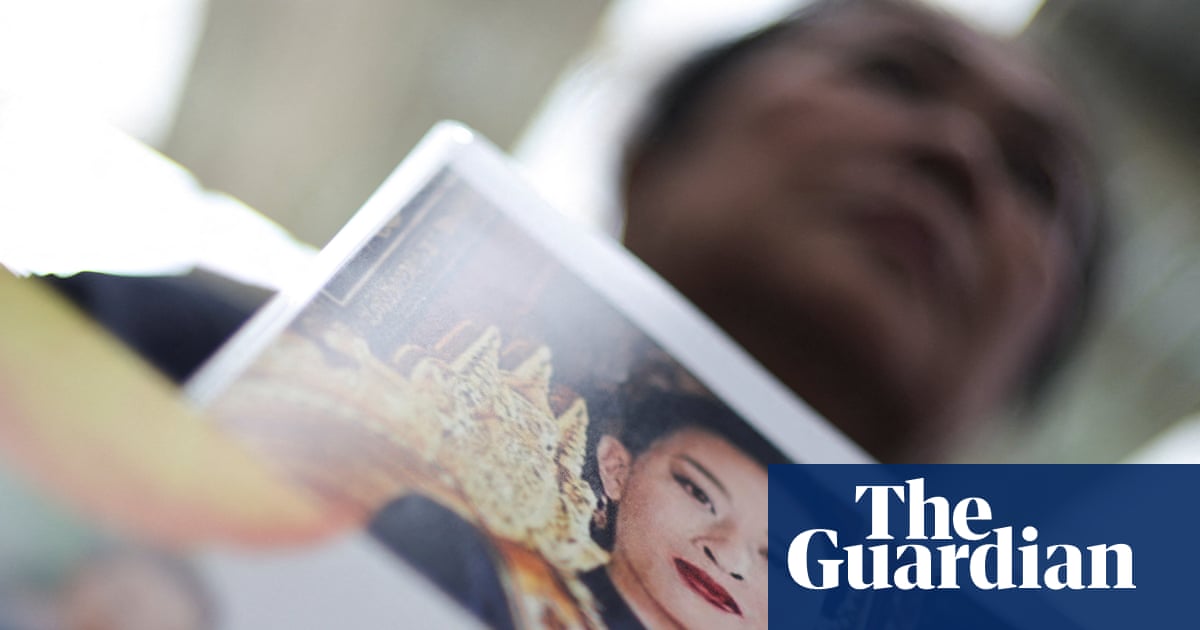
Tears and tributes as crowds gather to mourn death of Thailand’s Princess Bha
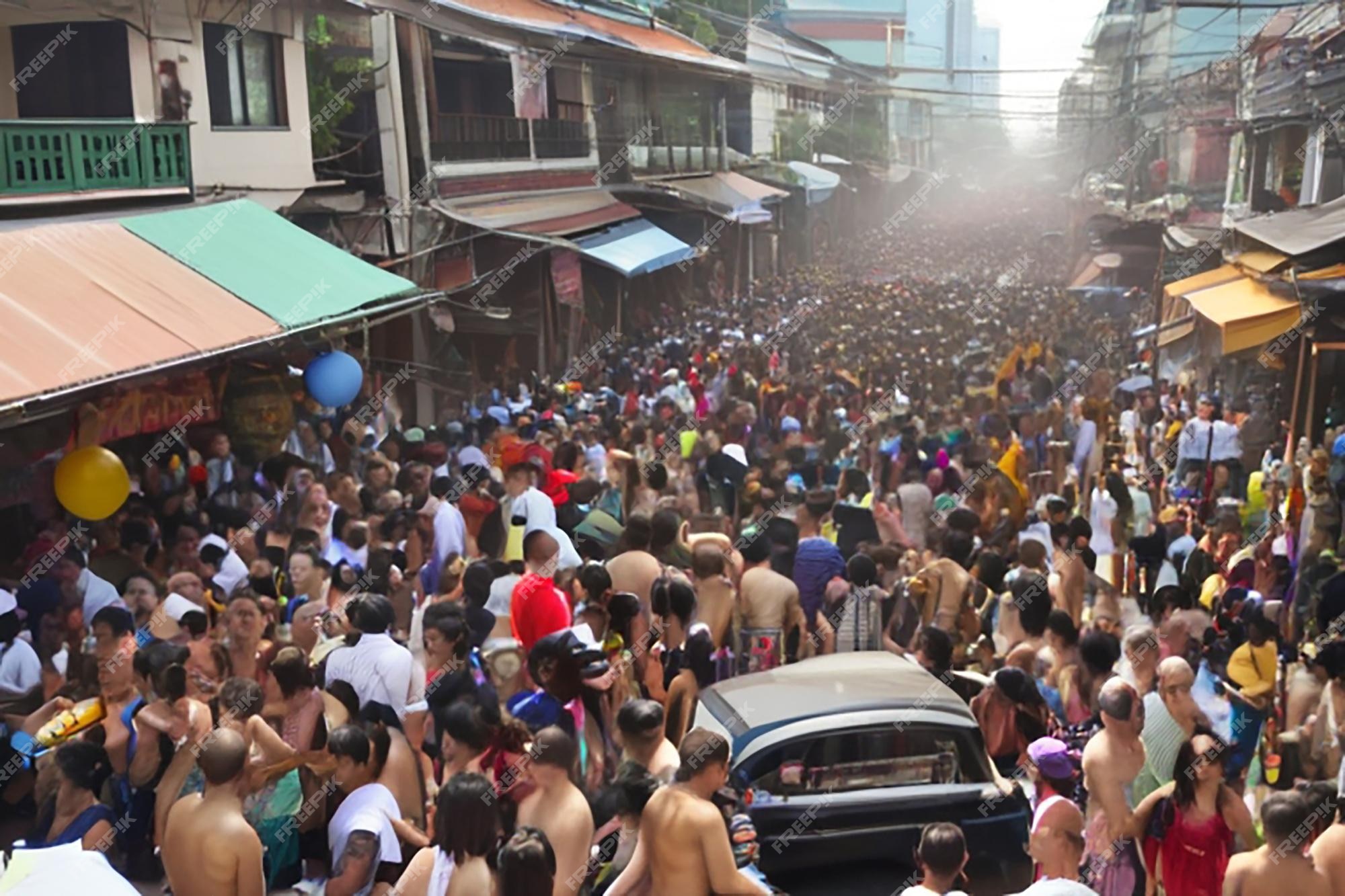
Thousands of mourners have gathered across Thailand to pay their final respects following the death of Princess Bha, according to reports. The public outpouring of grief has seen crowds congregate at royal palaces and shrines, wearing black attire and offering floral tributes to honor the royal figure’s life and contributions to the kingdom.
Who was Princess Bha and why is the public mourning?
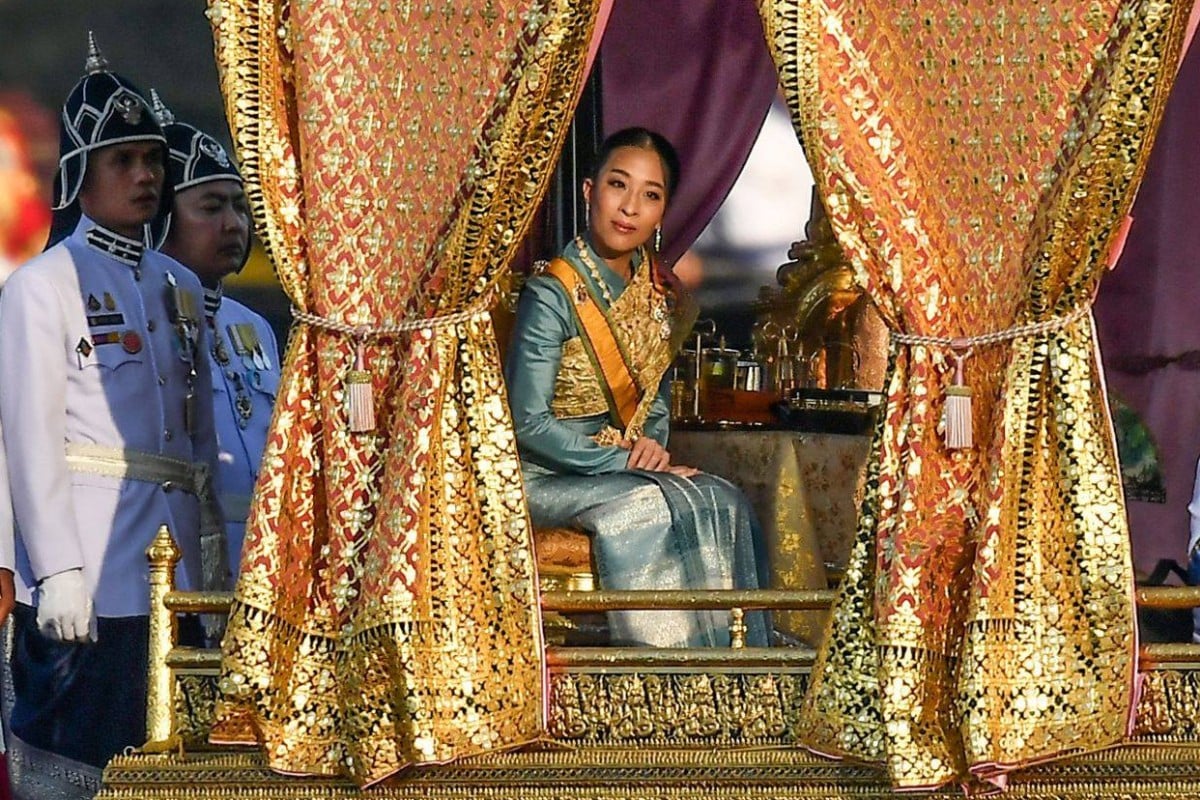
Princess Bha held a position of significant symbolic and cultural importance within the Thai monarchy. According to royal observers, the monarchy in Thailand serves as a central pillar of national identity, often viewed as the moral and spiritual glue that binds the diverse populace together. The death of a high-ranking royal typically triggers a period of national mourning characterized by widespread public displays of loyalty and sorrow.
The crowds gathering in Bangkok and other provinces reflect a tradition of deep reverence. For many citizens, the royal family represents stability and continuity. Tributes often include the offering of white lotuses—a symbol of purity in Buddhism—and the lighting of incense. These acts are not merely personal expressions of grief but are part of a collective national ritual that reinforces the bond between the crown and the people.
- Public Displays: Massive gatherings at the Grand Palace and local shrines.
- Symbolism: Use of black and white clothing to signify mourning and purity.
- Offerings: White lotus flowers and incense sticks.
How are the royal mourning rituals conducted in Thailand?
Royal funerals in Thailand are among the most elaborate and strictly codified ceremonies in the world. According to historians specializing in Southeast Asian monarchy, these rites combine Buddhist traditions with ancient Brahmanical rituals to ensure the royal soul’s transition to the celestial realm.
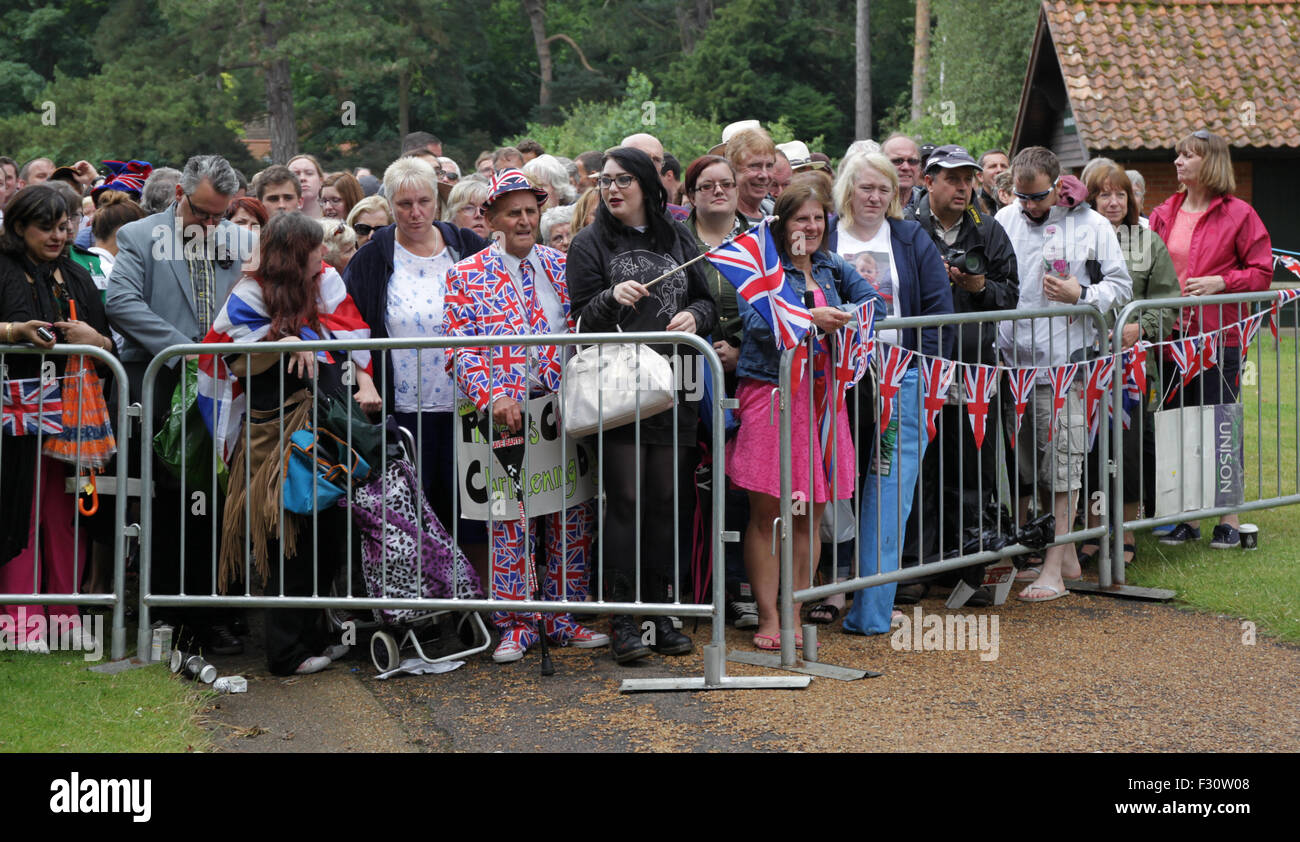
The process typically begins with the lying-in-state, where the royal remains are placed in a gold-plated urn. This period allows the public to file past the casket in long, orderly lines. The dress code is strictly enforced; mourning black is mandatory for the general public, while specific shades of grey or white may be worn depending on the royal rank and the stage of the mourning period.
The culmination of these rituals is the cremation ceremony. Historically, this involves the construction of a Phra Merumas, or a royal crematorium, which is designed to resemble Mount Meru, the center of the universe in Hindu-Buddhist cosmology. While the scale of the crematorium varies based on the rank of the deceased, the symbolic intent remains the same: returning the royal figure to the heavens.
“The precision of Thai royal funerals reflects the perceived divine nature of the monarchy, where every gesture is choreographed to maintain the dignity of the throne,” according to regional cultural analysts.
What is the political and social significance of these tributes?
The gathering of crowds to mourn Princess Bha occurs within a complex socio-political environment. In Thailand, the monarchy is protected by some of the world’s strictest laws. Section 112 of the Thai Criminal Code, known as the lèse-majesté law, prohibits any act of defaming, insulting, or threatening the King, Queen, Heir-apparent, or Regent.
Because of these laws, public tributes often carry a dual meaning. For many, the grief is genuine and stems from a lifelong devotion to the royal family. For others, participating in public mourning is a necessary demonstration of loyalty to avoid legal scrutiny or social ostracization. This intersection of genuine faith and legal obligation creates a unique atmosphere during periods of national loss.
The social impact of royal deaths often leads to a temporary suspension of political friction. During the mourning period, opposing political factions frequently call for a truce to show respect for the deceased royal, creating a brief window of national unity.
| Element of Mourning | Cultural Significance | Social Implication |
|---|---|---|
| Black Attire | Universal sign of grief | Visual demonstration of national unity |
| Lotus Offerings | Buddhist purity and respect | Personal spiritual connection to the royal |
| Lying-in-State | Final farewell | Public validation of the royal’s status |
How does this event compare to previous royal deaths in Thailand?
The reaction to the death of Princess Bha can be viewed through the lens of the 2016 passing of King Bhumibol Adulyadej. The death of the long-reigning monarch saw an unprecedented scale of mourning, with millions of people flooding the streets of Bangkok. That event set the modern precedent for how the Thai state manages royal transitions and public grief.
While the death of Princess Bha may not command the same global diplomatic scale as that of a reigning monarch, the local intensity remains high. The pattern of “tears and tributes” follows a consistent cultural script: the announcement of the death, the period of national mourning, the public lying-in-state, and the final cremation. The primary difference lies in the specific duties the royal performed during their life; royals who were closely involved in charitable works or rural development often see more grassroots mourning from the peasantry.
Observers note that the modern era of royal mourning has integrated digital elements. While traditional shrines remain the focal point, social media platforms are now flooded with images of the deceased royal framed by black ribbons, blending ancient tradition with 21st-century communication.
What are the implications for the Thai monarchy moving forward?
The passing of any member of the royal family prompts a reassessment of the monarchy’s role in a changing Thailand. As a younger generation of Thais becomes more vocal about the role of the crown in governance, the way the public interacts with royal deaths is evolving.
Current trends suggest a divide in how mourning is expressed. The older generation continues to adhere strictly to traditional protocols, while some younger citizens view the lavishness of royal funerals with a more critical eye. However, the overarching sentiment during the immediate aftermath of a death remains one of respect, as the cultural weight of the monarchy continues to exert a strong influence over Thai social norms.
The management of these tributes by the Royal Household Bureau is critical. By organizing the crowds and directing the flow of grief, the state ensures that the event reinforces the image of the monarchy as a source of stability and order. The seamless execution of these ceremonies is intended to project a sense of continuity to both the domestic population and the international community.
For those seeking more information on the legal framework surrounding the crown, a related explainer on lèse-majesté laws provides context on how these regulations shape public discourse in Thailand.
Common Misconceptions About Thai Royal Mourning
There are several common misunderstandings regarding the nature of royal funerals and public tributes in Thailand. Addressing these provides a clearer picture of the event.
Misconception 1: The mourning is purely political.
While the legal environment encourages displays of loyalty, many Thais hold a deeply spiritual belief in the semi-divine nature of the monarchy. For these individuals, mourning is a religious act intended to earn merit for the deceased and the mourner.
Misconception 2: Only the elite participate in these rituals.
On the contrary, the largest crowds at royal tributes typically consist of working-class citizens and rural farmers. The monarchy often positions itself as the protector of the poor, and the tributes reflect this perceived relationship.
Misconception 3: The rituals are purely Buddhist.
Although Buddhism is the dominant influence, Thai royal rites are a syncretic blend. They include elements of Hinduism and ancient Khmer traditions, particularly in the architecture of the crematoriums and the specific chants used by court Brahmins.
Frequently Asked Questions
What is the significance of wearing black during the mourning of Princess Bha?
In Thailand, black is the traditional color of mourning. Wearing black is a sign of respect for the deceased and a public acknowledgement of the national loss. Failure to adhere to the dress code during official mourning periods can be seen as a sign of disrespect toward the monarchy.
Why are white lotuses used in the tributes?
The white lotus is a primary symbol in Buddhism, representing purity, enlightenment, and the triumph of the spirit over material suffering. Offering these flowers to a deceased royal is a way of wishing them a peaceful transition to a higher plane of existence.
How long does the national mourning period typically last?
The duration varies depending on the rank of the royal and the decree issued by the government. It can range from several days to several months, during which time government buildings fly flags at half-mast and public entertainment may be curtailed.
Where can the public go to pay their respects?
The primary location is usually the Grand Palace in Bangkok or a designated royal temple (Wat). Additionally, local government offices often set up temporary altars with a portrait of the royal and a guestbook for citizens to sign.
Are foreign nationals expected to follow the mourning protocols?
While foreigners are not legally bound by the same restrictions as Thai citizens, it is highly recommended to dress modestly and avoid wearing bright colors when visiting sites of mourning or royal palaces to avoid offending local sensibilities.
The events following the death of Princess Bha underscore the enduring power of tradition in Thailand. As the nation navigates the transition, the images of thousands gathering in silence remain a potent symbol of the monarchy’s place at the heart of Thai society. The focus now shifts to the final rites, which will be conducted with the meticulous precision that has defined the Chakri dynasty for centuries.
