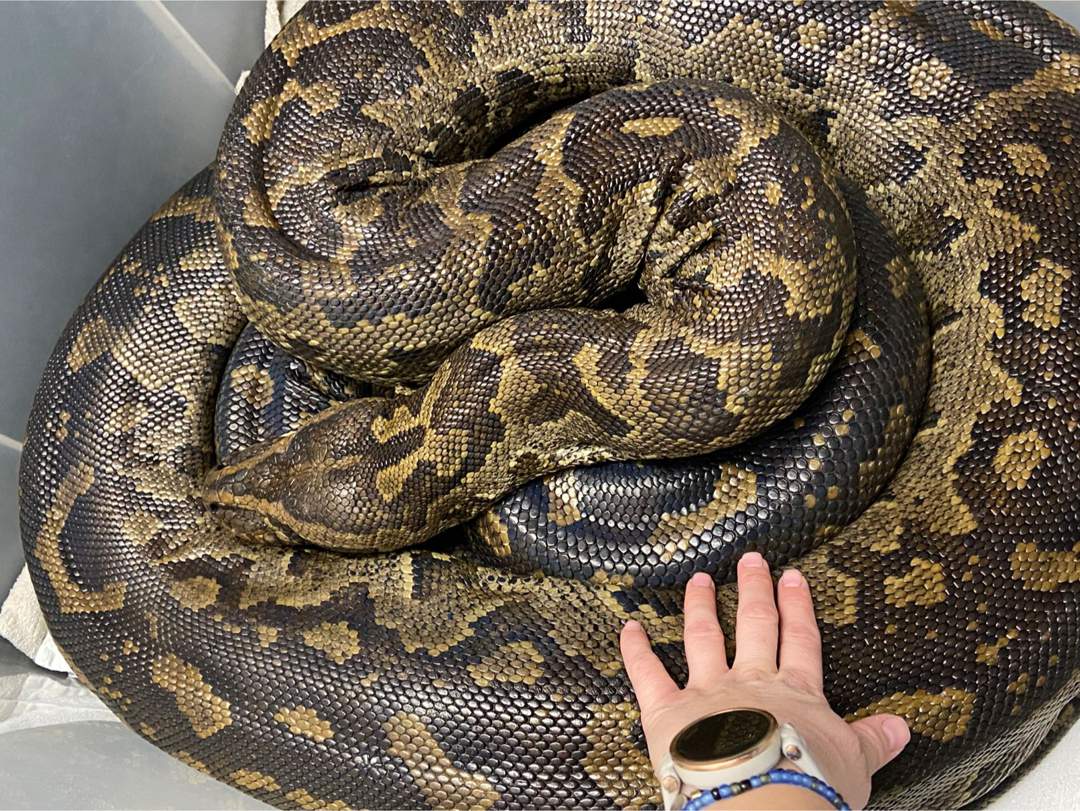
45kg Python Rescued After Brutal Farm Attack: Details of the SSSSEE Incident
Wildlife rescuers captured a 45kg python following a brutal attack on a farm, according to reports. The snake, which remained aggressive and continued attempting to bite handlers during the rescue process, highlights the ongoing tension between large constrictors and agricultural operations. The incident, identified in reports as SSSSEE | 45kg python rescued – and biting again – after brutal attack on farm – News24, underscores the risks associated with large predators entering human-managed environments.
What happened during the python attack on the farm?
A python weighing approximately 45kg entered a farming property and initiated a “brutal attack,” according to report details. While the specific target of the attack—whether livestock or a human—was not explicitly detailed in the initial alert, the scale of the animal suggests a high capacity for constriction and predation. The snake’s presence on the farm created an immediate safety hazard, prompting the call for professional wildlife intervention.
The rescue operation was complicated by the snake’s temperament. Rescuers noted that the animal was not passive upon discovery. Instead, it remained highly defensive, with reports indicating the python was “biting again” during the capture process. This behavior indicates a high level of stress or predatory drive, making the extraction more dangerous for the handlers involved.
Key facts of the incident:
- Animal Weight: Approximately 45kg.
- Location: A farming property.
- Behavior: Aggressive, characterized by repeated biting attempts during rescue.
- Outcome: Successful rescue and removal from the property.
How was the 45kg python captured and handled?
Capturing a 45kg constrictor requires specialized equipment and techniques to prevent injury to both the handlers and the animal. According to standard wildlife rescue protocols, handlers typically use snake hooks, tongs, and secure transport bags to manage large pythons. The “biting again” behavior mentioned in the SSSSEE | 45kg python rescued – and biting again – after brutal attack on farm – News24 report suggests that the snake did not enter a state of tonic immobility or submission during the process.
Large pythons use their teeth primarily to anchor their prey before beginning the constriction process. When a python bites a handler, it is often a defensive reaction to perceived threats. Because a 45kg snake possesses significant muscle mass, the physical struggle to secure the animal can lead to exhaustion for the rescuers and increased agitation for the reptile.
“The primary goal in these rescues is the safe removal of the animal without causing permanent harm to the snake or the humans involved, even when the animal exhibits persistent aggression.”
Why do large pythons target farms?
Farms often provide an ideal habitat for large pythons due to the abundance of prey and available cover. According to wildlife ecologists, several factors draw these predators toward agricultural land:
- Rodent Populations: Grain stores and livestock feed attract rats and mice, which are primary food sources for younger and mid-sized pythons.
- Livestock Presence: For a python weighing 45kg, small livestock such as goats, sheep, or poultry become viable prey targets.
- Shelter: Barns, irrigation ditches, and overgrown brush provide the cool, damp environments pythons require for thermoregulation and hiding.
- Water Access: Farm ponds and troughs provide necessary hydration and hunting grounds for amphibians and fish.
When a python reaches a weight of 45kg, its dietary needs increase, often forcing it to seek larger prey than rodents. This transition frequently leads to conflicts with farmers as the snakes begin targeting larger animals or entering residential structures in search of warmth and food.
The dangers of a 45kg python: Constriction vs. Biting
There is a common misconception that pythons only pose a threat through constriction. However, as seen in the SSSSEE | 45kg python rescued – and biting again – after brutal attack on farm – News24 case, the initial bite is a critical part of the attack sequence. Pythons have rows of recurved teeth designed to grip prey securely; they do not possess venom, but the physical trauma of the bite can be significant.
| Action | Mechanism | Primary Purpose | Risk Level (45kg Snake) |
|---|---|---|---|
| Biting | Recurved teeth grip | Anchoring the prey | Moderate (Lacerations/Infection) |
| Constriction | Muscular coils | Stopping blood flow/breathing | High (Asphyxiation/Internal Trauma) |
| Strike | Rapid forward lunging | Initial contact | Low to Moderate (Surprise factor) |
Once the anchor bite is established, the python quickly wraps its body around the target. A 45kg python exerts enough pressure to collapse the circulatory system of small animals and can cause severe distress or injury to humans if not interrupted immediately. The fact that this specific snake continued biting during the rescue suggests it remained in a “hunting” or “defensive” mode throughout the encounter.
Managing wildlife conflicts on agricultural properties
The incident involving the 45kg python highlights the need for proactive wildlife management on farms. To reduce the likelihood of “brutal attacks” and the need for emergency rescues, agricultural experts suggest several preventative measures.
Environmental Modification
Reducing the “attractants” is the first line of defense. This includes securing feed stores in rodent-proof containers to eliminate the primary food source for smaller snakes. Clearing tall grass and removing piles of debris or scrap metal reduces the available hiding spots where pythons can ambush livestock.

Livestock Protection
For farmers with small livestock, secure fencing and elevated sleeping quarters can prevent pythons from accessing prey during the night, when these reptiles are most active. Regular inspections of perimeter fences can help identify breach points where snakes may be entering the property.
Professional Intervention
As demonstrated in the SSSSEE | 45kg python rescued – and biting again – after brutal attack on farm – News24 report, attempting to remove a large constrictor without training is dangerous. Professional rescuers possess the tools to neutralize the snake’s aggression and the knowledge to transport the animal to a suitable release site without causing further conflict.
For more information on managing predators, see a related explainer on livestock protection strategies.
Common misconceptions about python behavior
Public reaction to stories of “brutal attacks” often leads to misconceptions about the nature of pythons. It is important to distinguish between predatory behavior and “aggression.”
Misconception 1: Pythons hunt humans.
Pythons do not actively seek out humans as prey. Most attacks on humans are defensive or occur when the snake mistakes a limb for prey. In farm settings, the snake is usually targeting livestock or rodents.
Misconception 2: A bite is the most dangerous part.
While the bite in the SSSSEE incident was prominent, the bite is merely the “hook.” The actual danger lies in the constriction that follows. A bite without constriction is a wound; constriction without a bite is still potentially lethal.
Misconception 3: Large snakes are always slow.
While pythons are not built for long-distance chasing, their strike speed is incredibly fast. A 45kg python can launch itself forward with surprising velocity, which often catches farmers or rescuers off guard.
The ecological role of the python
Despite the danger they pose to farms, pythons play a vital role in the ecosystem. As apex predators, they control rodent and pest populations that would otherwise devastate crops. The challenge for agricultural communities is finding a balance between protecting livestock and maintaining the ecological services these reptiles provide.
When a snake is rescued and relocated, it is typically moved to a protected area where it can hunt wild prey without coming into contact with human settlements. This prevents the animal from being killed—which is a common outcome when farmers encounter snakes—and preserves the local biodiversity.
Frequently Asked Questions
How dangerous is a 45kg python to a human?
A 45kg python is large enough to be dangerous, particularly to children or small adults. While they rarely kill healthy adults, they can cause severe injury through constriction and deep lacerations from their teeth. Their primary threat is the ability to immobilize a target quickly.
Why did the python keep biting during the rescue?
Pythons may continue to bite if they feel threatened, are in a high state of arousal, or perceive the handler as a threat. This “biting again” behavior is a stress response and a defensive mechanism to discourage the handler from restraining them.

What should a farmer do if they find a large python?
Farmers should maintain a safe distance and avoid attempting to kill or capture the snake themselves. The safest course of action is to contact professional wildlife rescuers or local environmental authorities who have the proper equipment to handle large constrictors.
Can pythons be deterred from entering a farm?
While no method is 100% effective, reducing rodent populations and clearing thick undergrowth makes a farm less attractive to pythons. Maintaining a clean perimeter and securing livestock in protected pens significantly reduces the risk of incursions.
Is a 45kg python considered an adult?
Depending on the species, a 45kg python is typically a mature adult or a very large sub-adult. At this weight, the snake has the strength and size necessary to hunt larger mammals, increasing the potential for conflict in agricultural areas.
The successful removal of the snake in the SSSSEE | 45kg python rescued – and biting again – after brutal attack on farm – News24 incident serves as a reminder of the necessity of professional wildlife management. As human development continues to encroach on natural habitats, these encounters are likely to increase, requiring a coordinated effort between farmers and conservationists to ensure the safety of both people and wildlife.
