American doctor tests positive for Ebola in Democratic Republic of Congo
Dr. Peter Stafford was evacuated to Berlin for specialized treatment following an Ebola diagnosis in the DRC. The CDC has responded by implementing new travel restrictions to prevent the spread of the virus.
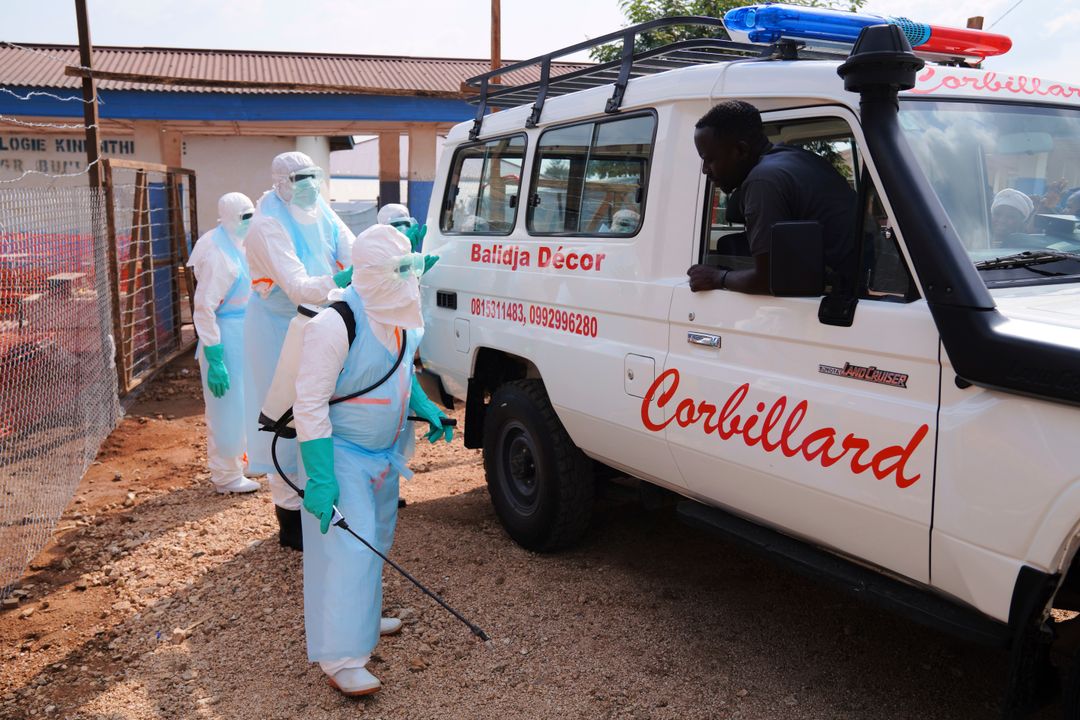
An American doctor working in the Democratic Republic of Congo has been evacuated to Germany for medical care after testing positive for the Bundibugyo strain of the Ebola virus. The patient, identified by the missionary organization Serge as Dr. Peter Stafford, developed symptoms over the weekend and received a positive test result on Sunday. Dr. Stafford had been serving at Nyankunde Hospital in Bunia since 2023.
Following the diagnosis, the Centers for Disease Control and Prevention (CDC) coordinated the evacuation of Dr. Stafford and six other high-risk contacts to Germany to ensure access to specialized isolation facilities at Charité hospital in Berlin. Two other medical missionaries from the same group, including the doctor’s wife, Dr. Rebekah Stafford, were exposed while treating patients but remain asymptomatic and are currently under medical monitoring.
Related media


Public Health Response and Travel Restrictions
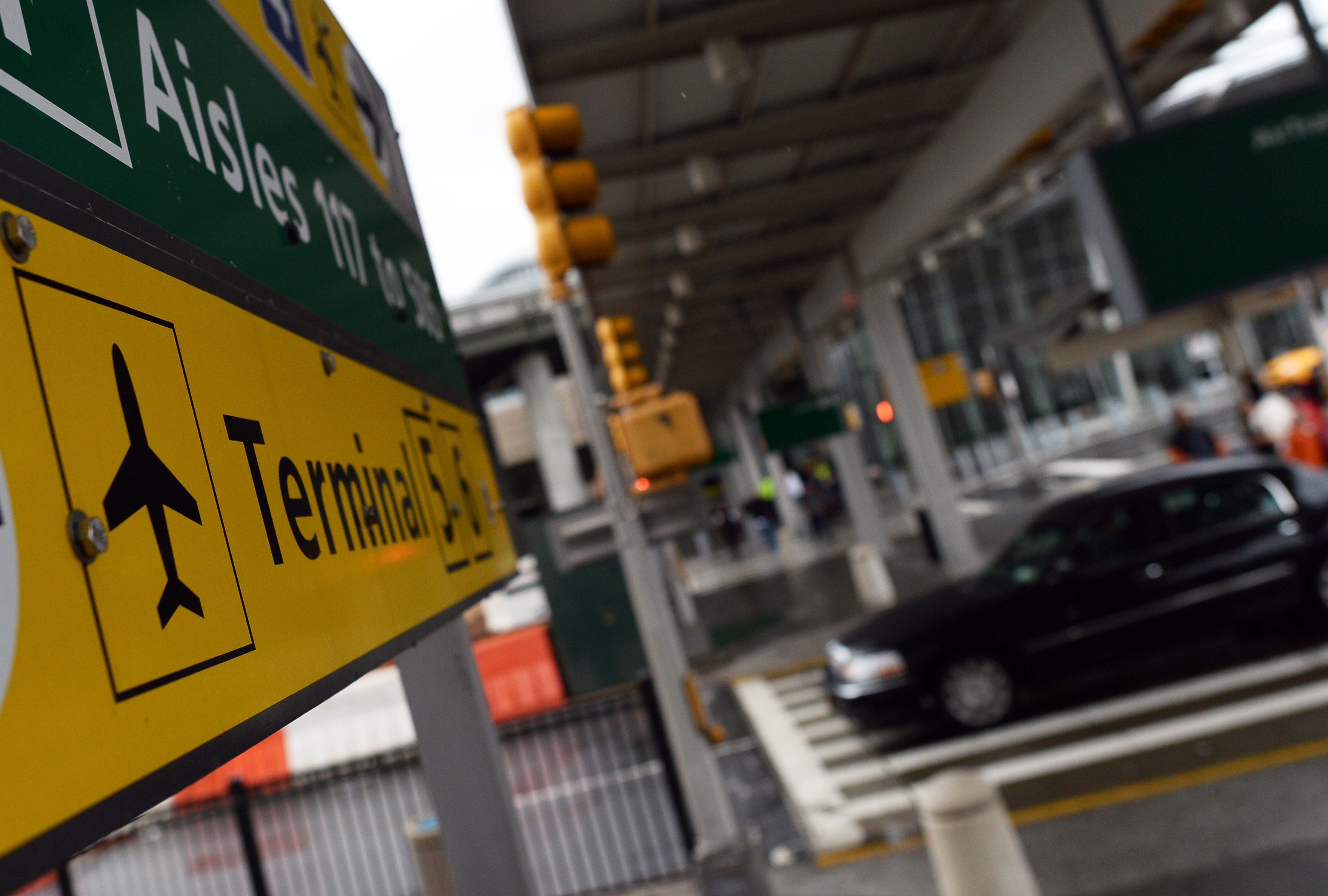
Federal authorities have implemented new measures to mitigate the risk of the outbreak reaching the United States. In coordination with the Department of Homeland Security, the CDC invoked Title 42 of the Public Health Services Act. This order mandates entry restrictions for non-U.S. Passport holders who have visited the Democratic Republic of Congo, Uganda, or South Sudan within the previous 21 days—the maximum incubation period for the virus. The restrictions are set to remain in effect for 30 days.
While U.S. Citizens and lawful permanent residents are exempt from the entry ban, they may face enhanced airport screening, including temperature checks and inquiries regarding their travel history and potential exposure to Ebola patients. Health officials emphasize that these measures are intended to maintain a low risk level for the American public. Dr. Satish K. Pillai, incident manager for the CDC's Ebola response, confirmed that the agency is deploying technical experts from its Atlanta headquarters to the region. The U.S. Government has mobilized $13 million in foreign aid to support surveillance, laboratory capacity, safe burials, and clinical case management in the affected countries.
Outbreak Context
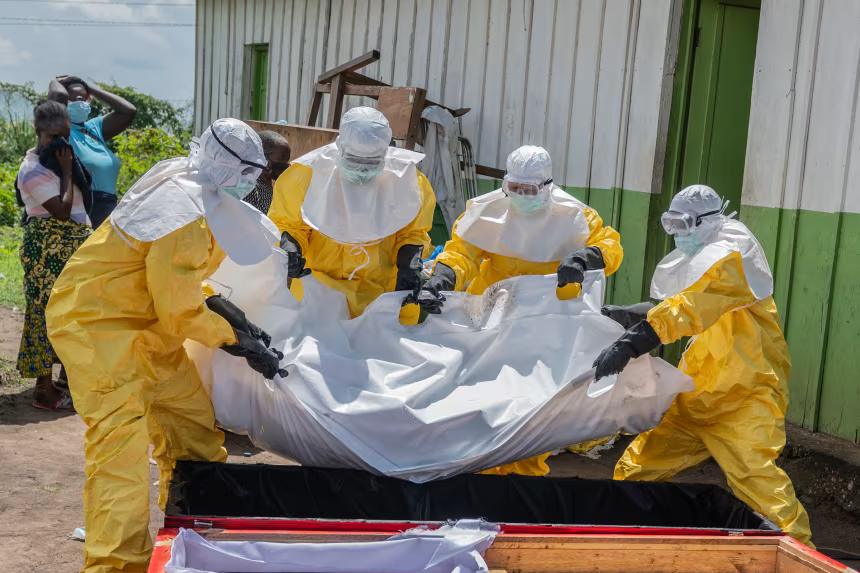
The current health crisis is characterized by the Bundibugyo strain, for which there are no currently approved therapeutics or vaccines. The World Health Organization has classified the situation as a public health emergency of international concern. Government data indicates the outbreak has reached 1,830 confirmed cases and 648 deaths. The virus spreads through direct contact with the bodily fluids of an infected person or through contaminated objects, such as needles. It does not spread through casual contact, water, or the air. Symptoms typically appear between two and 21 days after exposure and include fever, severe headache, muscle pain, weakness, and, in some cases, unexplained bleeding.
This situation marks the 17th outbreak of the disease in the Democratic Republic of Congo since the 1970s. Recent international concerns were also heightened when a humanitarian worker returning from the region tested positive in France last month.
What to Watch Next
- Monitoring Period: Travelers returning from the affected region are advised to monitor their health for 21 days and consult local health departments if symptoms develop.
- Clinical Readiness: The CDC continues to coordinate with domestic hospitals to ensure nationwide readiness for potential cases, despite the current risk to the U.S. Population remaining low.
- International Collaboration: Efforts are ongoing to track high-risk contacts in the Democratic Republic of Congo and Uganda to prevent further community transmission.
The CDC continues to assess the dynamic situation, with officials confirming they will provide updates as new information becomes available regarding the containment of the virus.
Archypedia is dedicated to independent, evidence-backed reporting. This briefing was synthesized from primary source reporting, corroborated across independent newsrooms, and verified against our Editorial Standards.
Transparency record
Evidence behind this report
This report synthesizes 7 distinct sources. Open the source ledger below to compare the underlying coverage.
Prepared under the Archypedia Editorial Policy by the Lina Park editorial desk profile. AI-assisted tools may support drafting and verification; public accountability remains with Archypedia. Report an error.