Tidal stops royalty payments for fully AI-generated music
Tidal has announced a new strategy to demonetize music fully generated by synthetic tools while introducing AI-labeling badges to improve transparency.

Tidal has announced a significant shift in its royalty and content management strategy, opting to demonetize music identified as fully generated by synthetic tools. While the streaming service will not ban such tracks from its platform, it has instituted a new policy designed to prioritize human-produced content and shield its royalty pool from the surge of algorithmically created audio.
The policy, unveiled on Monday, June 29, establishes a firm economic boundary: music classified as wholly AI-generated
will no longer accrue royalties or qualify for direct-to-fan sales. According to the company, this move ensures that compensation is reserved for original works directly produced, written, and performed by people.
The platform remains a space where creators can utilize technological tools, but it intends to hold such content to a higher standard of content integrity.
Related media

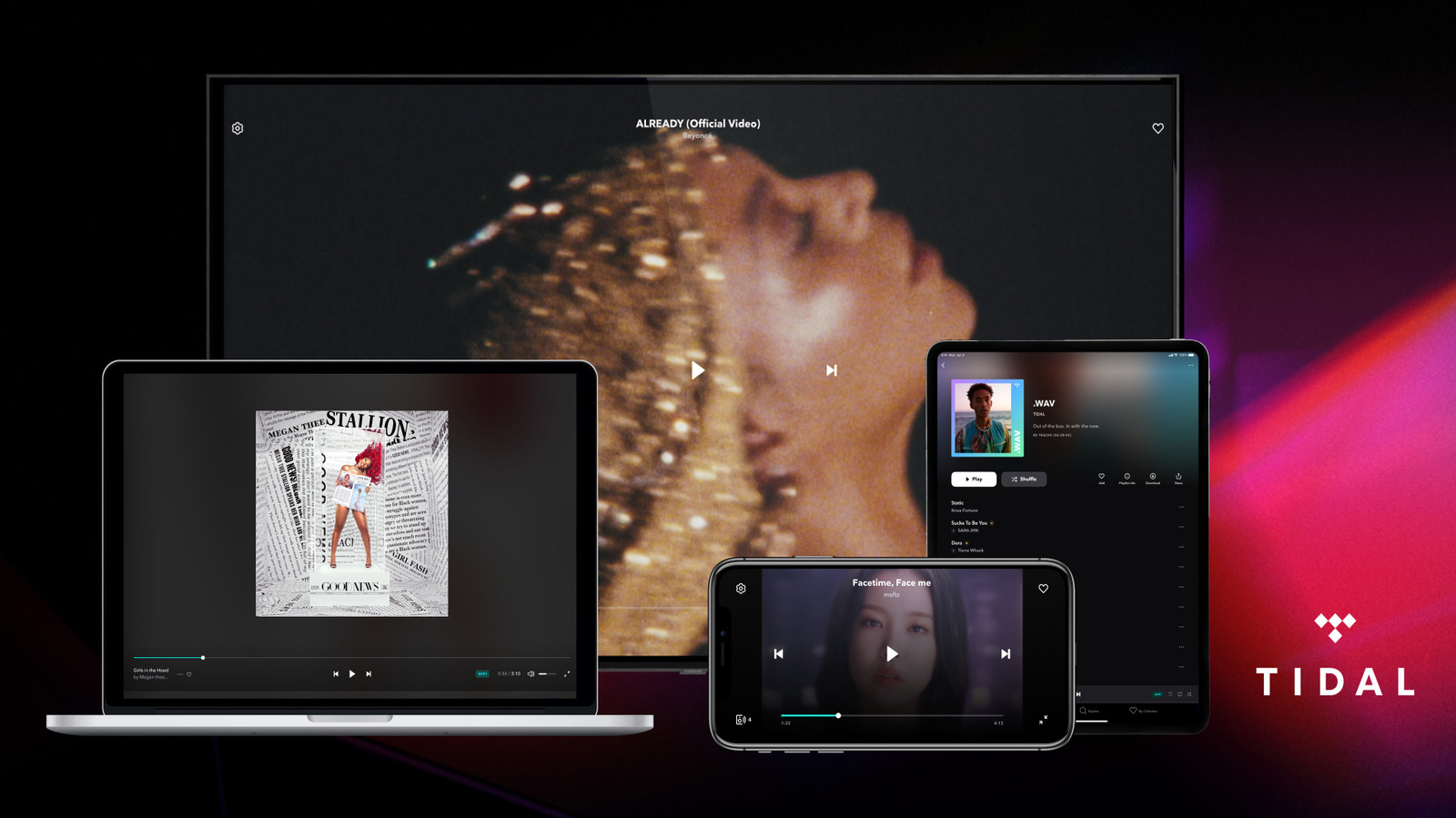
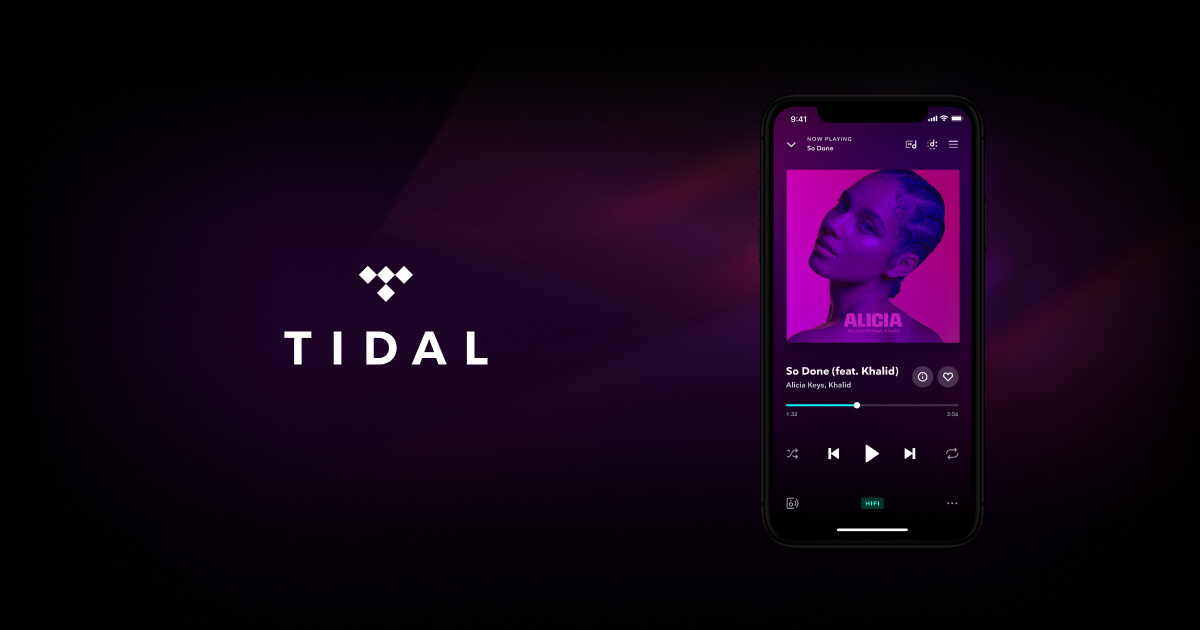
The enforcement of this policy involves a multi-stage rollout. While the demonetization of fully synthetic music takes effect immediately, additional measures are scheduled for July 15. On that date, Tidal will begin applying a visible AI
badge to identified tracks to provide transparency to listeners. Furthermore, the platform will initiate the removal or blocking of music associated with fraudulent activity, which includes content that mimics the likeness of established artists, employs high-volume upload tactics, or exhibits unusual streaming behavior.
To manage this volume, Tidal is employing external partners to handle detection, though the company has declined to specify the exact tools being used. Tidal leadership has expressed an expectation that distributors themselves must take responsibility for identifying and tagging AI-generated content before it is uploaded to the service.
Tony Gervino, Tidal’s Executive Vice President and Editor-in-Chief, characterized the policy as a living document
that will evolve as detection capabilities improve.
"AI’s takeover of the music industry (and your recommendations) isn’t inevitable if we take even greater steps now to monitor and control it."
Tony Gervino, EVP and Editor-in-Chief, via Thenextweb
The initiative reflects a broader trend among streaming services attempting to navigate the influx of synthetic media. Competitors have approached the challenge with varying degrees of stringency:
- Deezer has adopted a highly proactive stance, utilizing its own detection tools to remove synthetic tracks from recommendations and exclude them from editorial playlists.
- Spotify has introduced verification programs, such as the
Verified by Spotify
badge, to distinguish human-led artist profiles, though it continues to host synthetic content and has pursued licensing deals that incorporate generative models. - Apple Music and other platforms have largely relied on transparency tags provided by labels and distributors rather than platform-level automated detection.
- Bandcamp implemented a more restrictive approach earlier in the year by opting to ban AI-generated songs from its platform entirely.
The disparity in these approaches highlights the ongoing industry debate regarding the definition of authorship and the entitlement of synthetic works to earn revenue. While Tidal’s current focus is on works that are wholly
generated, the company confirmed that it intends to expand its labeling and demonetization policies to include music that is substantially AI-generated
as detection methods become more reliable.
What to Watch Next
- July 15: The official date for the deployment of AI-labeling badges and the commencement of active removal of content linked to impersonation or fraudulent streaming patterns.
- Technical Evolution: As detection tools refine, the threshold between human-assisted and
substantially
AI-generated music will likely be tested, potentially sparking further disputes regarding royalty eligibility. - Distributor Compliance: Tidal’s enforcement of its expectation that third-party distributors pre-label AI content remains a point of operational uncertainty.
- Copyright Debates: The industry awaits further guidance from entities like the World Intellectual Property Organization regarding the legal rights of AI-generated compositions, which may force future adjustments to these
living
platform policies.
How significant is this development?
Contribute your assessment to the aggregated reader intelligence ledger.
Archypedia is dedicated to independent, evidence-backed reporting. This briefing was synthesized from primary source reporting, corroborated across independent newsrooms, and verified against our Editorial Standards.
Transparency record
Evidence behind this report
This report synthesizes 11 distinct sources. Open the source ledger below to compare the underlying coverage.
- 404media.co
- theverge.com
- billboard.com
- engadget.com
- thenextweb.com
- gadgetreview.com
- musicbusinessworldwide.com
- techradar.com
- cnet.com
- yahoo.com
- tech.yahoo.com
Prepared under the Archypedia Editorial Policy by the Niko Vale editorial desk profile. AI-assisted tools may support drafting and verification; public accountability remains with Archypedia. Report an error.