Australia faces mass wildlife deaths as bird flu reaches mainland
Confirmed cases in Greater Crested Terns and mass deaths on the Limestone Coast signal the arrival of a pathogen that has already killed many subantarctic seal pups.
Australia faces mass wildlife deaths as bird flu reaches mainland
In 2022, thousands of Sandwich terns across Europe began to flounder on the ground, craning and straining their necks in a neurological distress behavior known as star-gazing. As the H5N1 bird flu lineage 2.3.4.4b swept through the continent, colonies collapsed.
"You had adult terns trying to mate with dead terns and chicks begging for food from their dying parents."
Related YouTube video
Australia has 'narrow window' to reduce damage after bird flu hits native animal | 9 News AustraliaSource link
Image via canberratimes.com.auImage via abc.net.auImage via portnews.com.au
Prof James Pearce-Higgins, director of science at the British Trust for Ornithology, via The Guardian
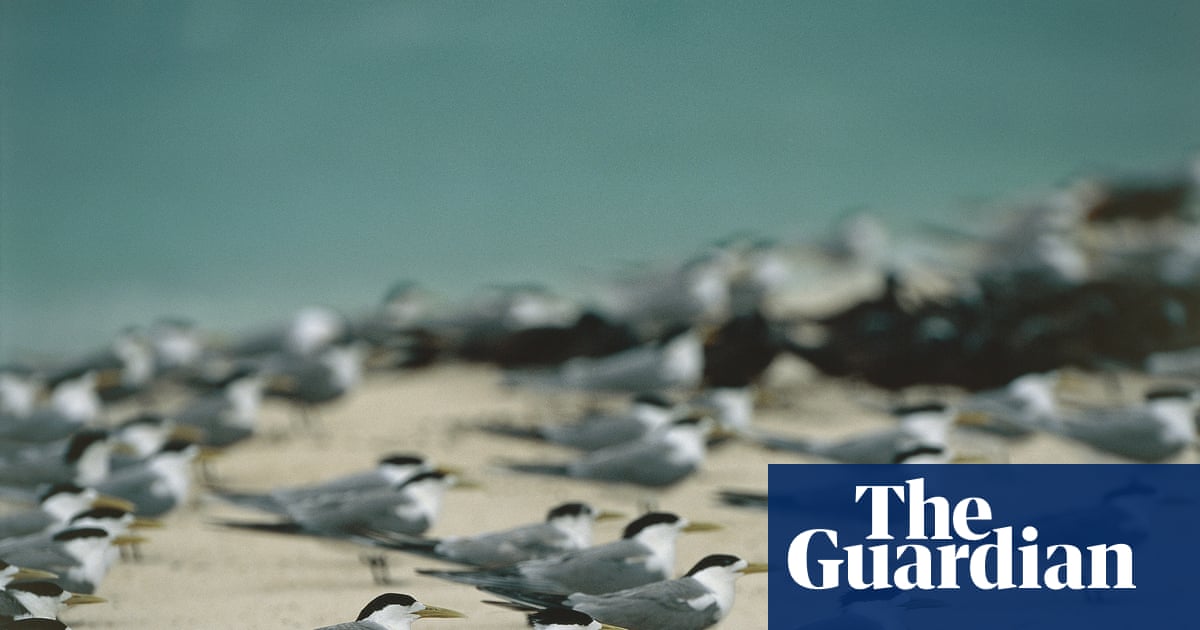
Australian wildlife now faces a comparable risk. New South Wales has confirmed its first native bird cases in Greater Crested Terns—close relatives of the European Sandwich terns—with positive samples found near Narooma and Wentworth, according to Nsw. These detections follow a mass mortality event on South Australia’s Limestone Coast, where more than 80 birds, predominantly terns, tested positive in a short window.
The virus reached Australian territory via migratory seabirds arriving from subantarctic breeding grounds. On Heard Island, a World Heritage territory, the pathogen killed three-quarters of elephant seal pups, reported the Canberra Times. From those remote islands, the virus jumped more than 4,000 kilometres to the mainland.
Australia is particularly vulnerable because its wildlife consists of immunologically naive hosts. Once the virus is established in the wild, it cannot be treated or eliminated.
Modelling led by Dr Sara Ryding of Deakin University, based on data from the World Organisation for Animal Health, indicates that nearly 400 species of Australian birds and mammals are at high risk or worse. The most susceptible bird families are ranked by risk level below:
Risk Level
Bird Families
Highest
Gannets and boobies (Sulidae)
High
Cranes (Gruidae)
High
Darters (Anhingidae)
High
Ducks, geese, and swans (Anatidae)
High
Gulls, terns, and noddies (Laridae)
Other susceptible species include pelicans, crows, ravens, falcons, and kestrels. Dr Ryding warned via The Guardian that while some are not currently threatened, the sight of mass deaths among larger birds like swans and pelicans will be confronting.
The threat extends to pinnipeds, including seals and sea lions. The risk to the New Zealand fur seal, the Australian fur seal, and the endangered Australian sea lion is classified as very high, which implies a very severe reduction in population size or viability is predicted if the virus reaches them, according to government analysis reported by The Guardian.
Dr Saia Bartes, a marine biologist at Deakin University, noted that these animals are especially vulnerable because they occupy the same spaces as infected birds and live in tightly packed social groups. Similar outbreaks in South America provide a grim precedent; Dr Bartes reported that in north Patagonia, the virus wiped out a third of the sea lion population. Because these populations are still recovering from historic commercial hunting, an equivalent strike in Australia could trigger a rapid decline.
Because the virus is an unstoppable threat that cannot be cured in wild populations, the government strategy focuses on resilience. Environment Minister Murray Watt stated that the best way to protect susceptible species is to maintain strong and healthy populations by mitigating unrelated stressors, including habitat loss, destructive fire regimes, and predation by feral cats, foxes, and pigs.
The government has funded specific resilience projects, such as rat eradication on Deliverance Island and hookworm treatment for sea lion pups. However, environment groups argue these efforts are insufficient. They point to a disparity in funding: while the government maintains a billion-dollar Disaster Ready Fund to strengthen human communities against natural disasters, no equivalent fund exists for wildlife.
To bridge this gap, environment groups are requesting an initial $200 million investment over two years from the Albanese government to scale up habitat repair and invasive species management.
Continental Spread and Surveillance
The pathogen's movement follows a 30-year trajectory from southern China. It was first detected in Australian territory two months ago in migratory seabirds, according to The Guardian. Since June, a national surveillance plan has been active to facilitate coordinated responses.
In New South Wales, the virus progressed from migratory species, with two petrels found near Port Stephens in early July, to native wildlife. While the virus has affected approximately 600 bird species and 100 mammal species globally, the NSW Government notes it has not yet been detected in captive birds or commercial poultry flocks in Australia.
Prof John Woinarski of Charles Darwin University expects the disease to spread across the continent within a year, driven by three primary biological vulnerabilities:
Scavenging: Species like Tasmanian devils and gulls are susceptible by feeding on dead animals.
Colony Density: Seals and waterbirds are at higher risk due to dense social grouping.
Water Stability: The virus can persist in bodies of water for weeks or months.
For conservationists, the immediate priority is avoiding new threats, such as a previously considered plan to allow widespread parrot imports which could introduce additional pathogens.
The NSW Government continues to urge the public to avoid contact with suspected sick birds or marine mammals and to report sightings to the Emergency Animal Disease Hotline. Minister for Agriculture, Regional and Western NSW Tara Moriarty stated that the government is using available data to target actions for the most at-risk species and important natural places.
READER INTELLIGENCE PULSE
How significant is this development?
Contribute your assessment to the aggregated reader intelligence ledger.
Click an option to register your anonymous assessment.
Editorial Standards & Verification
Archypedia is dedicated to independent, evidence-backed reporting. This briefing was synthesized from primary source reporting, corroborated across independent newsrooms, and verified against our Editorial Standards.