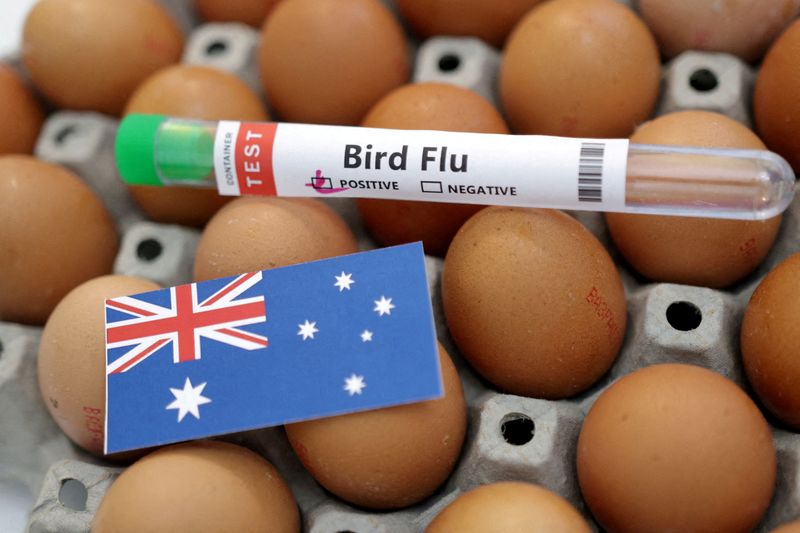
Australia starts H5N1 bird flu vaccine rollout for captive native species
With confirmed H5N1 cases exceeding 230 and a mass wildlife mortality event recorded, federal officials have secured 1,500 vaccine vials to protect vulnerable captive native birds.
Federal officials acknowledge they cannot stop H5N1 bird flu from sweeping through wild bird populations as confirmed cases surpass 230, forcing an immediate pivot to protecting vulnerable native species held in captivity. The escalation follows the recording of Australia's first mass wildlife mortality event involving seabirds during the week leading up to Tuesday, 11 August 2026, alongside detections in inland regions at the junction of the Murray and Darling rivers on the Victorian border, according to reporting by brisbanetimes.com.au and abc.net.au.
In response to the continental spread, the federal government has announced an emergency vaccination rollout targeting at-risk native birds in zoos, managed collections, and conservation breeding programs. Agriculture Minister Julie Collins confirmed that an initial $2 million has been secured for roughly 1,500 vials, with the inoculation drive set to begin across state and territory jurisdictions in the coming days, as reported by thenightly.com.au and Independent.
Related video and Instagram post

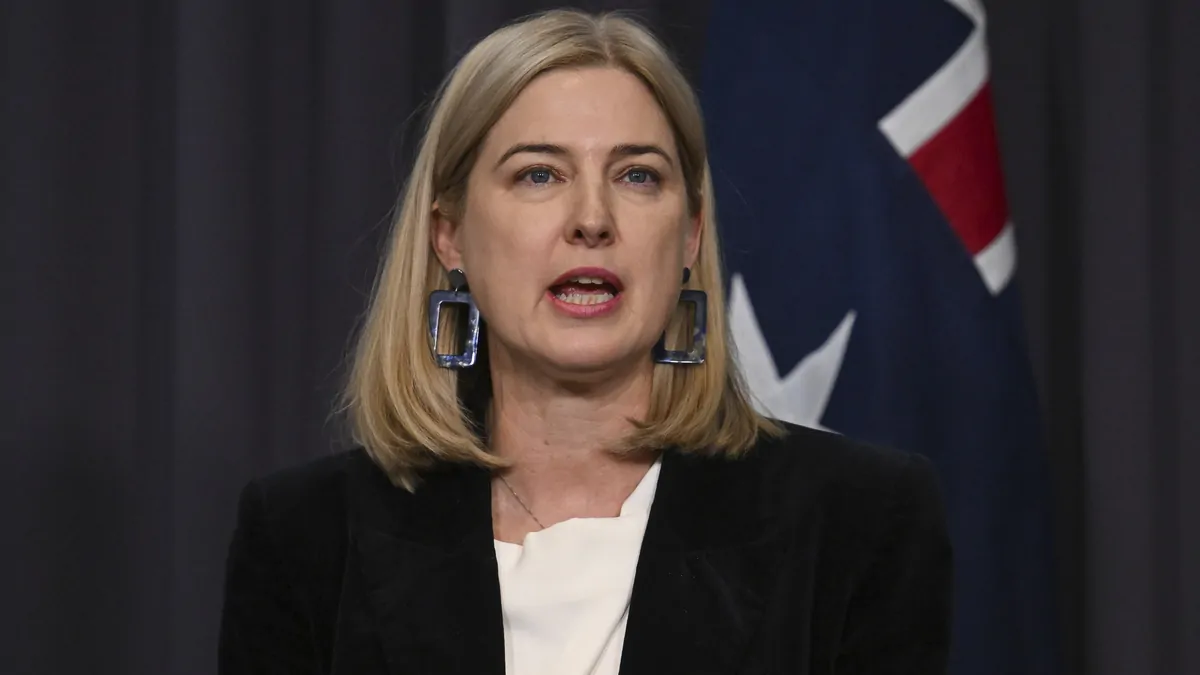
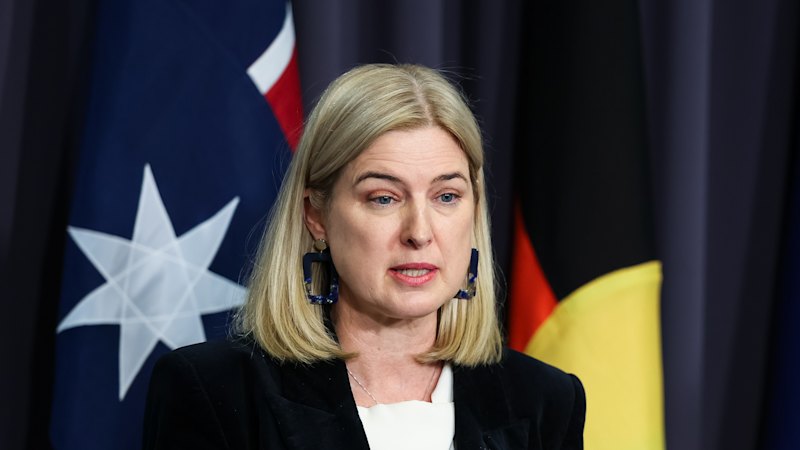
State and territory authorities face a tight deadline to hand over priority hit lists identifying which native species will receive the jabs. While federal officials stress that the risk to human health remains low and that commercial livestock and poultry industries have not been affected, the operational realities of the outbreak have severely constrained the scope of the immunization campaign.
"We cannot stop the H5 bird flu spreading amongst wild birds, but we can take action to protect the species most at risk and vaccination is now part of that response."
Julie Collins, Agriculture Minister, via ABC News
The primary barrier to field inoculation is logistical. Environment Minister Murray Watt explained that widespread vaccination of wild birds is neither practical nor feasible because the vaccine requires two separate doses, noting that it is difficult enough to catch wild birds once, let alone twice, according to The Guardian. While officials maintain that wild birds will be vaccinated where feasible, the core of the program focuses on managed conservation species like the orange-bellied parrot, regent honeyeater, and Western Australia's black cockatoos.
The vaccine supply itself originates from formulations originally designed for the poultry industry. Australia's Chief Veterinary Officer Beth Cookson noted that because birds vary widely in size, authorities spent the past 18 months conducting trials and pilots to gather safety and efficacy data across diverse native bird species. Cookson cautioned that the treatment is not a standalone solution, pointing out that vaccines are not 100 percent protective and that strict biosecurity remains essential.
Furthermore, officials announced a shift in public reporting strategy. Rather than continuing to issue daily tallies of individual case numbers, government updates will transition to tracking major mass mortality events, new geographic locations, and affected species as the outbreak intensifies.
Conservation Pressures and the Mammal Gap
Conservation voices have pressed for greater transparency and expanded protections as the virus continues its trajectory. Professor John Woinarski of Charles Darwin University welcomed the captive vaccination plan but urged officials to publicly disclose trial data, specify which captive bird species were tested, and report any adverse reactions. Woinarski also called for expanded trials involving at-risk marine mammals that come ashore, noting that such measures are operationally feasible for species like seals and sea lions.
Addressing the mammal gap, Cookson acknowledged that no mammal-suitable bird flu vaccines are currently commercially available, though federal authorities are closely tracking international trials, including in the United States, to secure future access, as detailed by theguardian.com and Thenightly. Meanwhile, broader federal preparedness involves a committed response package totaling $113 million, contrasted by conservation groups calling for an immediate deployment of a separate $200 million fund to boost wildlife resilience.
As state and territory jurisdictions finalize their priority hit lists, distribution patterns reflect uneven case loads across the continent. According to figures detailed by thenightly.com.au, South Australia has recorded the highest burden with 163 cases, followed by Victoria with 58, Western Australia with 10, New South Wales with 4, and Queensland with 1. Tasmania, the Northern Territory, and the ACT have recorded zero confirmed cases to date.
State and territory jurisdictions now face an immediate deadline in the coming days to finalize and submit their priority species lists to the federal government as administration of the initial vaccine supply begins.
How significant is this development?
Contribute your assessment to the aggregated reader intelligence ledger.
Archypedia is dedicated to independent, evidence-backed reporting. This briefing was synthesized from primary source reporting, corroborated across independent newsrooms, and verified against our Editorial Standards.
Transparency record
Evidence behind this report
This report synthesizes 7 distinct sources. Open the source ledger below to compare the underlying coverage.
- thenightly.com.au
- abc.net.au
- independent.co.uk
- brisbanetimes.com.au
- theguardian.com
- aa.com.tr
- smh.com.au
Prepared under the Archypedia Editorial Policy by the Lina Park editorial desk profile. AI-assisted tools may support drafting and verification; public accountability remains with Archypedia. Report an error.