Addison's disease causes skin hyperpigmentation
Addison's disease causes skin hyperpigmentation
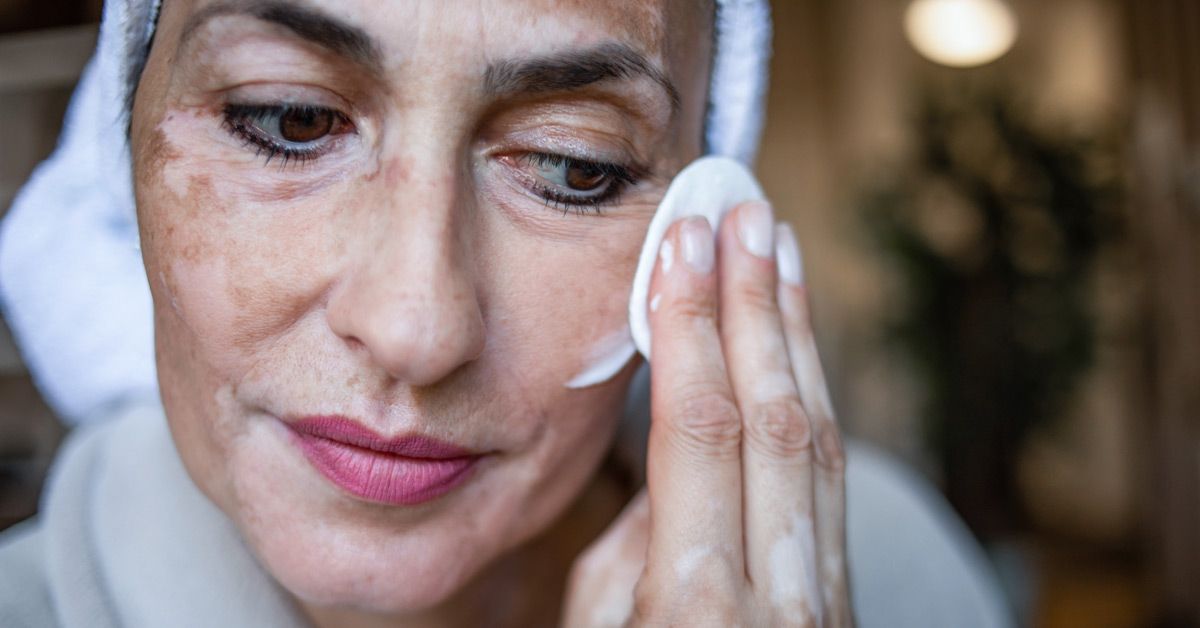
Addison's disease is a rare adrenal gland disorder that causes various symptoms, including distinct skin effects like hyperpigmentation and vitiligo. Hyperpigmentation is an early and usually distinct symptom of Addison's disease, characterized by the darkening of certain areas of the skin. This condition occurs when the adrenal glands do not produce enough cortisol and aldosterone, leading to a compensatory response from the pituitary gland.
The pituitary gland releases excess adrenocorticotropic hormone (ACTH) and melanocyte-stimulating hormone (MSH) in an attempt to stimulate the adrenal glands. These hormones bind to melanocyte receptors in the skin, directly stimulating melanin production and causing the characteristic darkening of skin and mucous membranes. The rise in ACTH and MSH is why skin darkens in Addison's disease patients, leading to a noticeable darkening of the skin, often looking like a bronze tone.
Skin changes associated with Addison's disease
The skin changes associated with Addison's disease result from hormonal imbalances, particularly increased levels of ACTH and MSH, leading to higher melanin production. The most commonly affected areas are sun-exposed body parts, such as the elbows, knees, and knuckles, as well as creases and scars. Patients may also notice skin discoloration on the lips and gums. Additionally, darkening around the eyes, forehead, and neck can occur, and the skin may take on a bronze or ashy tone.
Other symptoms of Addison's disease
The symptoms of Addison's disease often result from a deficiency in cortisol and aldosterone. They can develop slowly over time or rapidly if acute adrenal failure occurs. The most common and earliest symptom of Addison's disease is fatigue.
Treatment and management
Treating Addison's disease skin effects involves managing the underlying hormonal deficiencies. Hormone replacement therapy, which is the primary treatment for Addison's disease, involves replacing the deficient hormones, particularly cortisol. The cornerstone of treatment involves replacing the missing adrenal hormones, and a healthcare professional can also prescribe fludrocortisone to help replace aldosterone.
While hormone replacement therapy addresses the root cause of Addison's hyperpigmentation, strategic skincare support can optimize healing and help prevent further pigmentation damage during the recovery process. UV exposure amplifies the pigment-producing effects of any residual ACTH elevation, making broad-spectrum sun protection absolutely critical.
How significant is this development?
Contribute your assessment to the aggregated reader intelligence ledger.
Archypedia is dedicated to independent, evidence-backed reporting. This briefing was synthesized from primary source reporting, corroborated across independent newsrooms, and verified against our Editorial Standards.
Transparency record
Evidence behind this report
This report synthesizes 6 distinct sources. Open the source ledger below to compare the underlying coverage.
- myexosthetics.com
- healthline.com
- int.livhospital.com
- ccjm.org
- merckmanuals.com
- acibademhealthpoint.com
Prepared under the Archypedia Editorial Policy by the Lina Park editorial desk profile. AI-assisted tools may support drafting and verification; public accountability remains with Archypedia. Report an error.