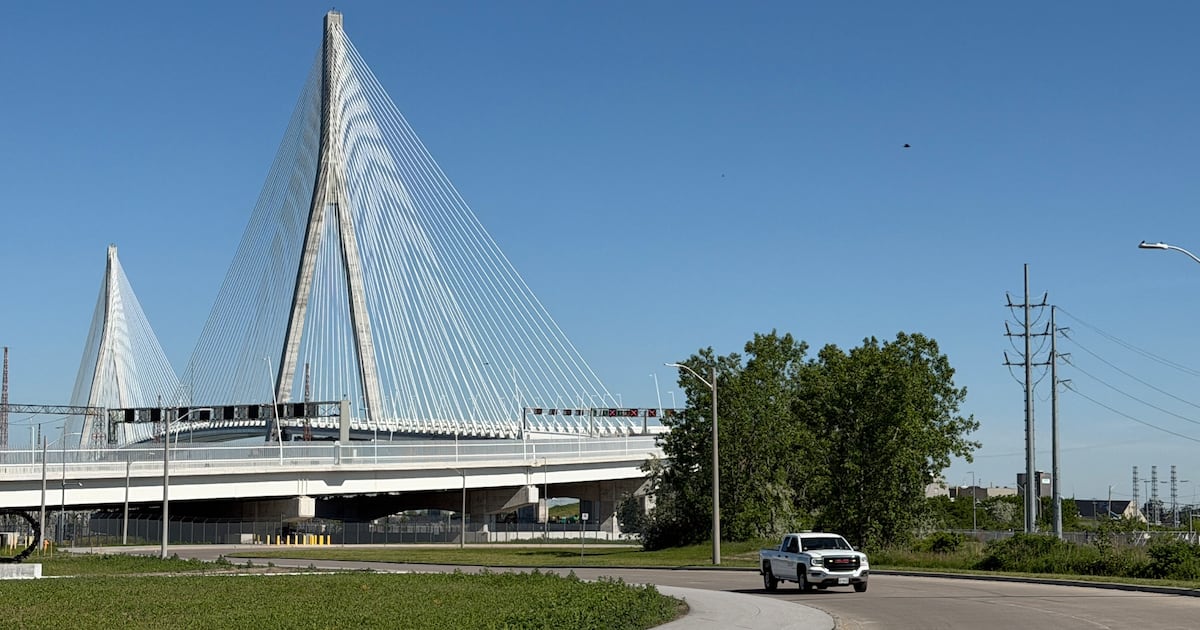
CBP Finalizes Readiness for Gordie Howe International Bridge Connecting Windsor and Detroit
The U.S. Customs and Border Protection (CBP) has confirmed it is fully prepared to manage operations at the newly completed Gordie Howe International Bridge, a critical infrastructure project linking Windsor, Ontario, and Detroit, Michigan. This milestone marks a pivotal step in enhancing cross-border trade and travel between the two regions, with officials emphasizing the bridge’s role in boosting economic connectivity and regional cooperation.
Key Details of the Gordie Howe International Bridge
The Gordie Howe International Bridge, named after the legendary Canadian ice hockey player, is a 1.3-mile-long structure designed to alleviate congestion at existing border crossings, including the Detroit-Windsor Tunnel and the Ambassador Bridge. The project, which has been in development for over a decade, features advanced security systems, automated inspection technology, and dedicated lanes for commercial vehicles and pedestrians.
Construction began in 2018, with the bridge’s completion announced in early 2026. The final phase of testing and system integration was completed in April 2026, allowing CBP to finalize its operational protocols. The bridge is expected to handle approximately 10,000 vehicles daily, significantly reducing wait times for travelers and freight haulers.
Stakeholders and Their Roles
The project involves multiple stakeholders, including the Canadian and U.S. Federal governments, local municipalities, and private sector partners. The bridge is jointly owned by the Canada Border Services Agency (CBSA) and CBP, reflecting the binational collaboration central to its design and operation.

Local officials in Windsor and Detroit have highlighted the bridge’s potential to stimulate economic growth. “This infrastructure will create jobs, attract investment, and strengthen the economic纽带 between our communities,” said a spokesperson for the Windsor-Detroit International Bridge Authority. Meanwhile, CBP has emphasized its commitment to ensuring seamless border crossings while maintaining robust security measures.
Timeline and Challenges
The project faced several delays, including supply chain disruptions and labor shortages during the COVID-19 pandemic. However, the final construction phase was completed ahead of schedule, with officials attributing the success to improved coordination between agencies and contractors.
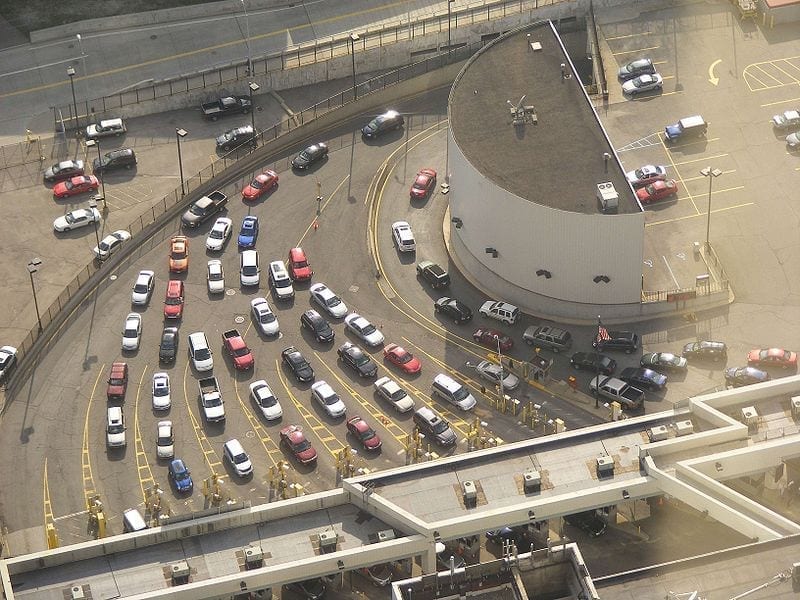
One of the most significant challenges was integrating the bridge’s advanced technology, such as automated license plate recognition systems and real-time data sharing between CBSA and CBP. These systems are designed to streamline inspections and reduce bottlenecks at the border.
Economic and Social Implications
Experts predict the bridge will have a profound impact on the region’s economy. By diverting traffic from the heavily congested Ambassador Bridge, the new structure is expected to cut travel times by up to 30% during peak hours. This efficiency could save millions in transportation costs annually, benefiting both consumers and businesses.
The bridge also aims to address long-standing concerns about cross-border accessibility. For instance, the existing Detroit-Windsor Tunnel, which has been in operation since 1938, has faced criticism for its aging infrastructure and limited capacity. The Gordie Howe Bridge is seen as a modern alternative that better serves the needs of a growing population and increasing trade volumes.
Public and Political Reactions
Public sentiment has been largely positive, with residents and business leaders welcoming the project as a symbol of regional unity. However, some environmental groups have raised concerns about the bridge’s impact on local ecosystems, particularly the Detroit River. These groups have called for ongoing monitoring and mitigation efforts to minimize ecological disruption.
Politically, the project has been a rare example of bipartisan cooperation. Both federal and provincial leaders have praised the collaboration that made the bridge possible. “This project demonstrates what can be achieved when we work together across borders and ideologies,” said a representative from the Canadian federal government.
FAQ: Understanding the Gordie Howe International Bridge
What is the Gordie Howe International Bridge?
The Gordie Howe International Bridge is a modern, binational infrastructure project connecting Windsor, Ontario, and Detroit, Michigan. It is designed to enhance cross-border trade and travel while reducing congestion at existing border crossings.
Why is the bridge named after Gordie Howe?
The bridge is named in honor of Gordie Howe, a legendary Canadian ice hockey player known as “Mr. Hockey.” The name symbolizes the spirit of teamwork and excellence that the project aims to embody.
How will the bridge benefit the local economy?
The bridge is expected to reduce travel times, lower transportation costs, and boost trade between Canada and the U.S. It is also projected to create thousands of jobs during construction and operation.
What security measures are in place?
The bridge features advanced security systems, including automated inspection technology and real-time data sharing between U.S. And Canadian authorities. These measures ensure efficient
