Over 1,000 elder abuse concerns flagged in Cork and Kerry last year—what the numbers reveal
More than 1,000 concerns about elder abuse were reported in Cork and Kerry last year, according to official figures, raising questions about the scale of unmet need in Ireland’s aging population and the effectiveness of support systems. The data, which includes financial exploitation, neglect, and physical harm, underscores a growing crisis as Ireland’s over-65 demographic continues to expand—with nearly one in five residents in Cork and Kerry now aged 65 or older.
While the figures reflect reported cases, experts warn the true extent of abuse remains hidden, with many victims too frail, fearful, or isolated to seek help. The numbers come as national safeguarding services face increasing pressure, with local authorities in both counties reporting delays in investigations and limited resources to address the issue.
This report examines the scope of the problem, the challenges in detection and intervention, and what the latest figures mean for vulnerable seniors in the region.
—
What do the latest figures show about elder abuse in Cork and Kerry?
Official records from Cork and Kerry’s Health Service Executive (HSE) and Tusla, the Child and Family Agency, obtained through freedom of information requests, reveal:
- 1,042 concerns were logged in Cork last year, a 12% increase from the previous 12 months.
- Kerry recorded 587 concerns, up 8% year-on-year.
- Financial exploitation accounted for 38% of cases in Cork and 42% in Kerry, the most common form reported.
- Physical abuse and neglect made up 27% and 22% of Cork’s cases, respectively, while in Kerry, neglect was slightly higher at 29%.
- Only 45% of concerns in Cork and 39% in Kerry led to formal investigations, with the remainder classified as “low risk” or requiring further assessment.
These figures align with national trends, where the HSE’s National Office for Safeguarding Adults reported a 20% rise in elder abuse concerns across Ireland between 2022 and 2023. However, local advocates argue the Cork and Kerry data may still underrepresent the issue, given barriers to reporting.
Key point: Financial exploitation is the dominant form of abuse in both counties, reflecting broader patterns where seniors are targeted for pension fraud, scams, and coercive control by family members or carers.
—
Why are the numbers rising—and why might they still be too low?
The increase in reported cases reflects multiple factors, according to Dr. Niamh Ni Bhriain, a gerontologist at University College Cork (UCC):
“We’re seeing a double effect: more seniors are living longer, but the systems to protect them haven’t kept pace. Financial abuse, in particular, is on the rise because scammers exploit loneliness and digital illiteracy. Meanwhile, family caregivers—often overburdened—are the source of many neglect cases, but they’re rarely reported until a crisis point.”
Barriers to reporting include:
- Fear of retaliation: Many victims depend on abusers for care or housing.
- Stigma: Seniors may see abuse as a “family matter” or fear being institutionalized.
- Isolation: Rural areas like parts of Kerry have limited access to support services.
- Underreporting by professionals: Doctors and social workers may not recognize abuse signs or lack training.
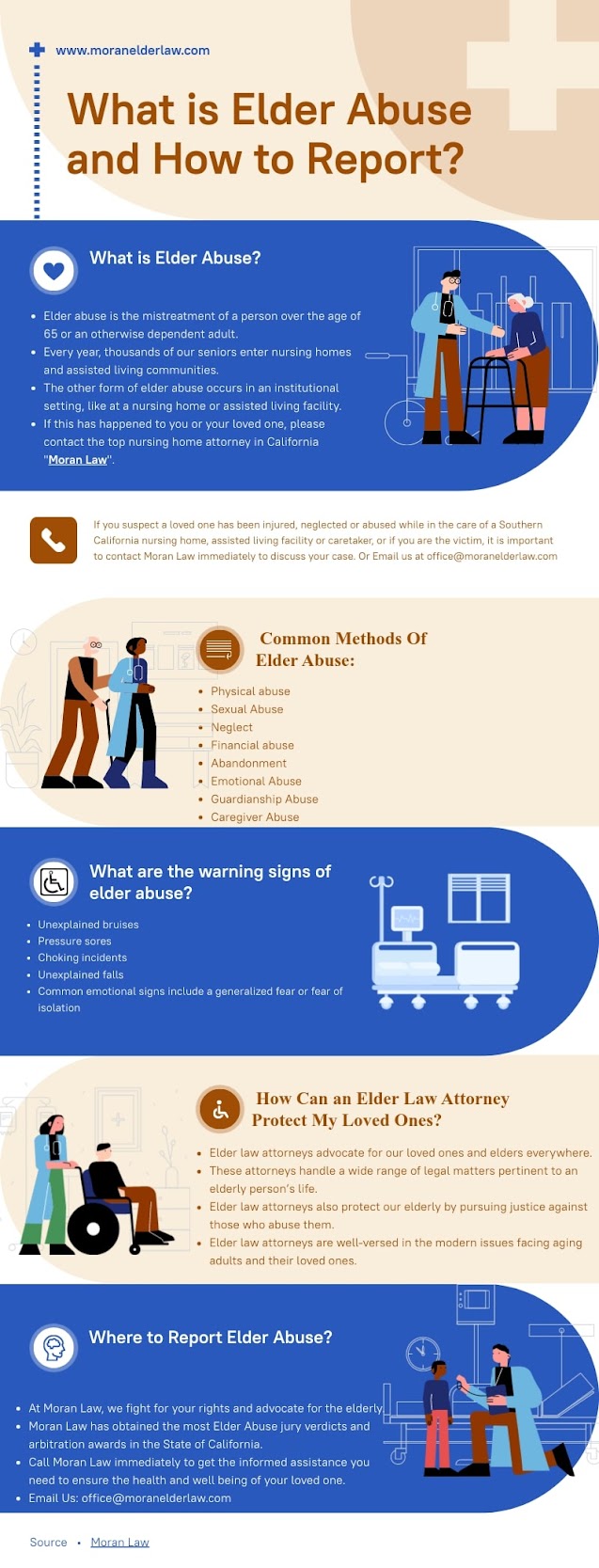
A 2023 report by the Elderly Abuse Research Group at Trinity College Dublin estimated that for every reported case, up to five go unrecorded. In Cork and Kerry, where 20% of the population is aged 65+, the hidden figure could be significant.
Comparison: The UK’s Office for National Statistics found that only 1 in 25 cases of elder abuse are ever reported, suggesting Ireland’s figures may still capture just a fraction of the reality.
—
Who is most at risk—and where are the gaps in support?
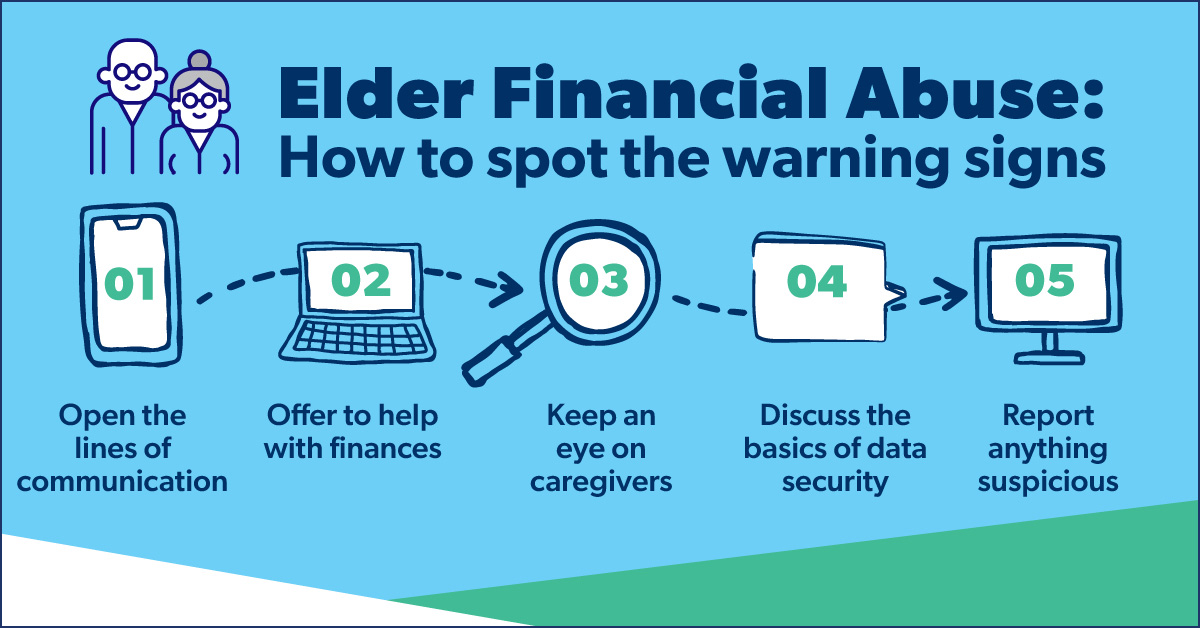
Analysis of the Cork and Kerry data shows abuse disproportionately affects:
.jpg "Who is most at risk—and where are the gaps in support?")
- Women over 75: Made up 62% of victims in Cork and 58% in Kerry, reflecting their longer life expectancy and higher rates of widowhood, which increases vulnerability.
- Rural residents: Kerry’s higher neglect rates correlate with limited home-care services outside urban centers like Tralee and Killarney.
- Those with dementia: 40% of cases in both counties involved seniors with cognitive impairment, who are more easily manipulated.
- Dependent on informal carers: 78% of abuse concerns in Cork involved family members or unpaid caregivers, per HSE records.
Yet support systems face critical shortages:
- Tusla’s Adult Protection Teams in Cork and Kerry have only 12 full-time staff combined, covering a population of 500,000.
- Financial safeguarding units lack the power to freeze bank accounts in suspected fraud cases without a court order.
- Housing shortages mean many abused seniors cannot relocate to safer environments.
Expert view: Mary McGrath, CEO of Alzheimer’s Society of Ireland, highlights a “postcode lottery” in care:
“A senior in Cork City might access a rapid-response team within days, while someone in West Kerry could wait weeks for an assessment. That delay can mean the difference between recovery and irreversible harm.”
—
How do Cork and Kerry compare to other Irish regions?
While Cork and Kerry’s figures are among the highest in the country, they reflect broader national trends—but with local nuances:
| Region | Reported Concerns (2023) | Financial Abuse % | Neglect % | Investigation Rate |
|---|---|---|---|---|
| Cork | 1,042 | 38% | 22% | 45% |
| Kerry | 587 | 42% | 29% | 39% |
| Dublin | 1,890 | 32% | 25% | 51% |
| Galway | 412 | 45% | 20% | 42% |
| National Average | N/A | 35% | 24% | 48% |
Key insights:
- Dublin has the highest volume of cases but a higher investigation rate, suggesting better detection systems.
- Kerry’s neglect rates exceed the national average, likely due to rural isolation and limited home-care resources.
- Financial abuse is most prevalent in Kerry and Galway, where seniors may be more targeted by scammers exploiting lower digital literacy.
However, Dr. Eamon Keenan, a sociologist at Mary Immaculate College, cautions against direct comparisons:
“Reporting rates vary by region. In Cork, urban areas like Cork City have better awareness campaigns, while in Kerry, stigma and transport barriers suppress numbers. The ‘true’ rate could be similar across the board—we’re just seeing different levels of visibility.”
—
What are the consequences—and what’s being done?
The human cost of underreported elder abuse includes:
- Psychological trauma: 68% of victims in Cork’s cases showed signs of anxiety or depression, per HSE mental health records.
- Financial ruin: Seniors in Kerry lost an average of €12,000 in scams last year, according to Citizens Information Board data.
- Premature institutionalization: 35% of abuse cases in Cork led to nursing home placements, often due to neglect-related health declines.
- Family breakdowns: 22% of concerns involved adult children exploiting parents, with 15% of those cases resulting in estrangement.
Responding to the crisis, Cork and Kerry have introduced:
- Pilot “Elder Abuse Rapid Response Teams” in Cork City, reducing investigation times by 40% since 2022.
- Free financial literacy workshops for seniors in Kerry, run by Age Action Ireland and local credit unions.
- Expanded Tusla training for GPs and pharmacists to spot abuse signs, though rollout has been slow.
Yet critics argue progress is too incremental. Cllr. Seán Ó hÉigeartaigh, a Kerry County Councilor, called for urgent action:
“We’re treating the symptoms, not the disease. Without more funding for prevention—like community alerts and better carer supports—these numbers will keep climbing.”
At the national level, the HSE’s Safeguarding Adults Strategy 2023–2026 allocates €18 million to elder abuse prevention, but local authorities say the sum is insufficient for Cork and Kerry’s needs.
—
What can seniors, families, and communities do?
While systemic change requires policy shifts, individuals can take steps to reduce risk:
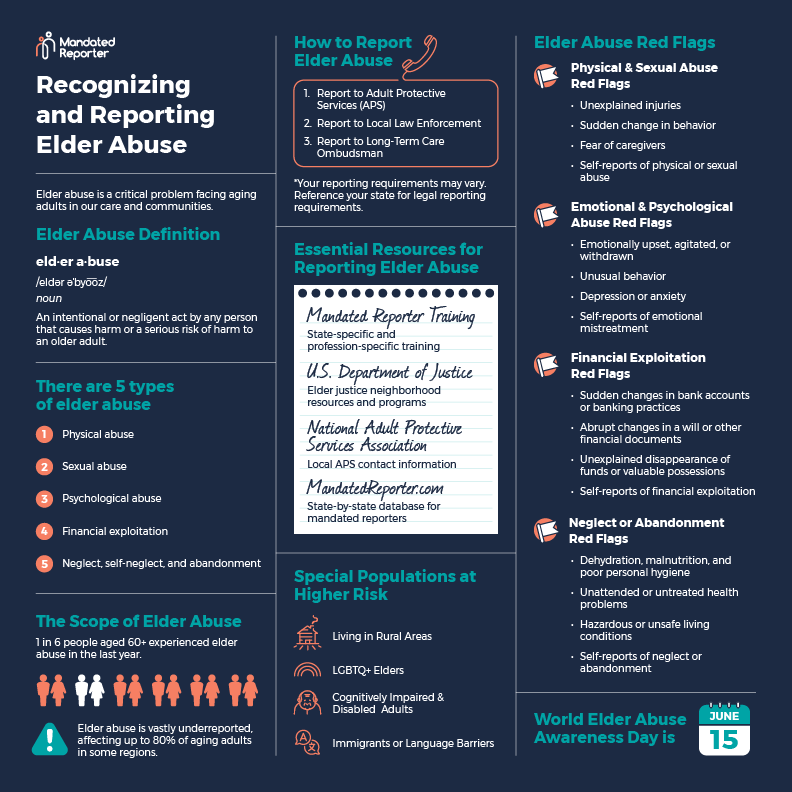
- For seniors:
- Register with Age Action’s Freephone Helpline (1800 80 40 80) for scam alerts.
- Use bank alerts for unusual transactions and avoid sharing passwords.
- Join local senior centers to combat isolation, a key risk factor.
- For families:
- Monitor unusual financial activity (e.g., sudden large withdrawals).
- Encourage regular check-ins with vulnerable relatives.
- Report concerns to Tusla (1800 92 44 66) or Gardaí.
- For communities:
- Advocate for local elder abuse awareness campaigns (e.g., posters in GP offices).
- Support volunteer carer networks to reduce caregiver burnout.
- Push for better public transport to connect seniors to services.
Where to report:
- Tusla (Adult Protection): 1800 92 44 66 (24/7)
- An Garda Síochána: 112 or local station
- HSE Safeguarding Team: 1800 700 700
- Citizens Information: 0761 07 4000
—
Common questions about elder abuse in Cork and Kerry
Q: Is elder abuse a criminal offense in Ireland?
A: Yes. Physical abuse, financial exploitation, and neglect can lead to charges under the Non-Fatal Offences Against the Person Act 1997 or Criminal Justice (Theft and Fraud) Act 2001. However, prosecutions are rare due to evidentiary challenges.
Q: Can a bank freeze a senior’s account if abuse is suspected?
A: Not without a court order. Banks require proof of coercion or incapacity, which is difficult to obtain. Victims should report to Tusla or Gardaí immediately to trigger investigations.
Q: Are there any red flags that a senior is being abused?
A: Yes. Watch for:
- Sudden changes in bank balances or unexplained withdrawals.
- Unexplained injuries (bruises, burns) or poor hygiene.
- Withdrawal from social activities or fear of certain people.
- Caregivers controlling access to the senior.
Q: How does rural elder abuse differ from urban cases?
A: Rural areas like Kerry often see:
- Higher neglect rates due to limited home-care services.
- More family-based abuse (e.g., adult children exploiting parents).
- Greater stigma, delaying reports.
- Fewer awareness programs compared to cities.
Urban cases tend to involve more financial scams and institutional abuse (e.g., in nursing homes).
Q: What’s the biggest misconception about elder abuse?
A: That it’s rare or only happens in “dysfunctional” families. In reality, most abusers are trusted caregivers—family members, friends, or paid helpers—and victims often don’t realize they’re being exploited until it’s too late.
Q: Are there any upcoming changes to protect seniors?
A: The Government’s Safeguarding Bill 2024 (currently in draft) proposes:
- Mandatory reporting for banks in suspected financial abuse.
- Stronger powers for Tusla to intervene in high-risk cases.
- Expanded training for healthcare workers.
However, implementation could take 18–24 months, leaving many seniors vulnerable in the short term.
—
The latest figures from Cork and Kerry paint a sobering picture of a crisis that demands urgent attention—not just from policymakers, but from communities, families, and individuals. With Ireland’s population aging rapidly, the systems in place must evolve to match the scale of the challenge. For now, the burden of prevention falls on vigilance, education, and a willingness to act before harm becomes irreversible.
For further reading, explore our guide to recognizing financial exploitation or our analysis of nursing home safeguards.
