
Germany’s push to electrify its heating systems is accelerating, with nearly 122,000 heat pumps installed in just four months—a surge that underscores the country’s rapid shift away from fossil fuels in residential heating. But industry critics and homeowners are questioning whether the government’s new heating law is actually making the transition harder.
The German government’s Heizgesetz (Heating Act), which took effect last year, mandates that new buildings and renovated homes use climate-neutral heating systems, with heat pumps as the primary solution. Yet some experts argue the law’s implementation is creating more friction than efficiency, particularly for older homes where retrofitting is costly and complex.
Why the Backlash?
Critics, including those in the heating industry, have compared the law’s rollout to a “heating hammer”—a blunt instrument that fails to account for the practical challenges of transitioning millions of existing homes. According to a report from Deutsche Handwerks Zeitung, the law’s strict timelines and lack of financial incentives for homeowners have sparked frustration, especially among smaller contractors and property owners.

“The law is well-intentioned but poorly executed,” said a source familiar with the industry’s concerns. “Many homeowners are being forced into expensive upgrades without clear guidance on how to navigate the process.”
A Market in Motion
Despite the controversy, heat pump sales are surging. Over 121,500 units were sold in Germany between January and April 2024 alone, according to data from Caschys Blog and tagesschau.de. This marks a significant uptick from previous years, driven by both government subsidies and the phase-out of gas boilers in new constructions.
By 2025, nearly 75% of new residential buildings in Germany are expected to be equipped with heat pump systems, according to projections cited by tagesschau.de. However, the gap between new builds and older properties remains stark: while modern homes can efficiently integrate heat pumps, retrofitting older structures often requires extensive electrical and insulation upgrades, driving up costs.
A comparison of energy consumption data from CHIP reveals that heat pumps in new builds typically use about 30% less electricity than those in retrofitted homes, where additional heating and cooling demands can double energy use in some cases.
What’s Next for Germany’s Heating Transition?
The government has signaled it will monitor the law’s impact closely, with potential adjustments on the horizon. However, industry insiders warn that without clearer incentives or streamlined retrofitting programs, the transition could stall—or worse, lead to widespread noncompliance.
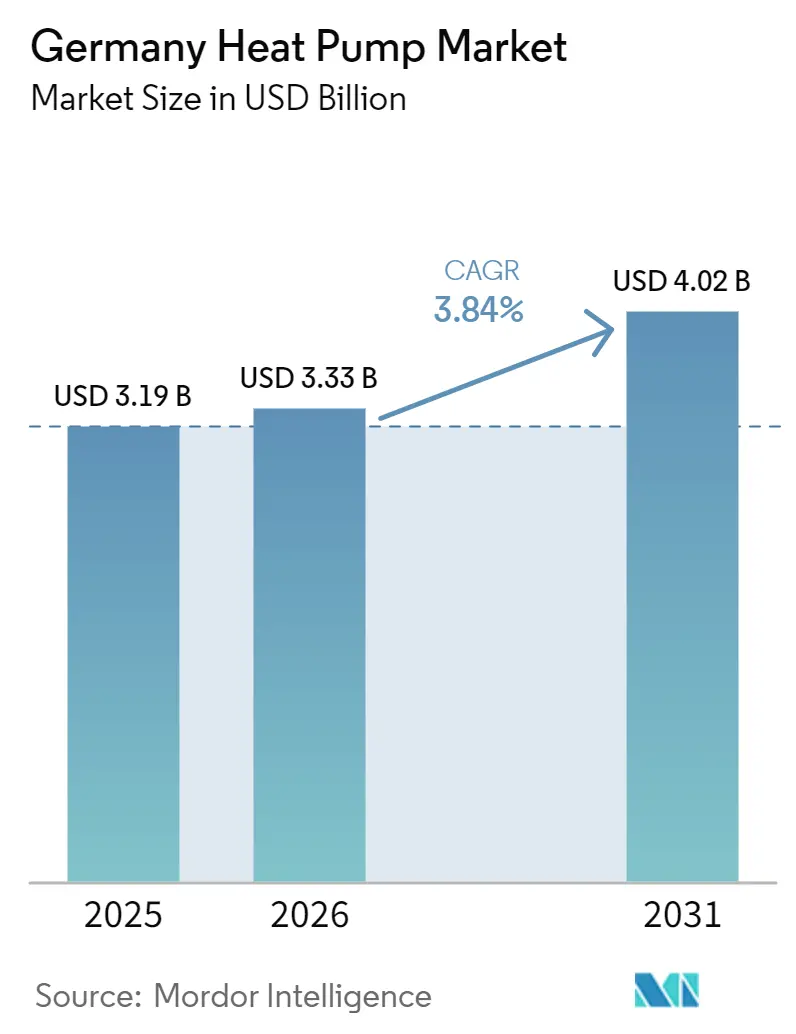
For now, the focus remains on scaling up installations. With over 40 million homes in Germany still relying on gas or oil heating, the next few years will be critical in determining whether the country can meet its climate goals—or if the heating law will become another case study in well-intentioned policy gone awry.
