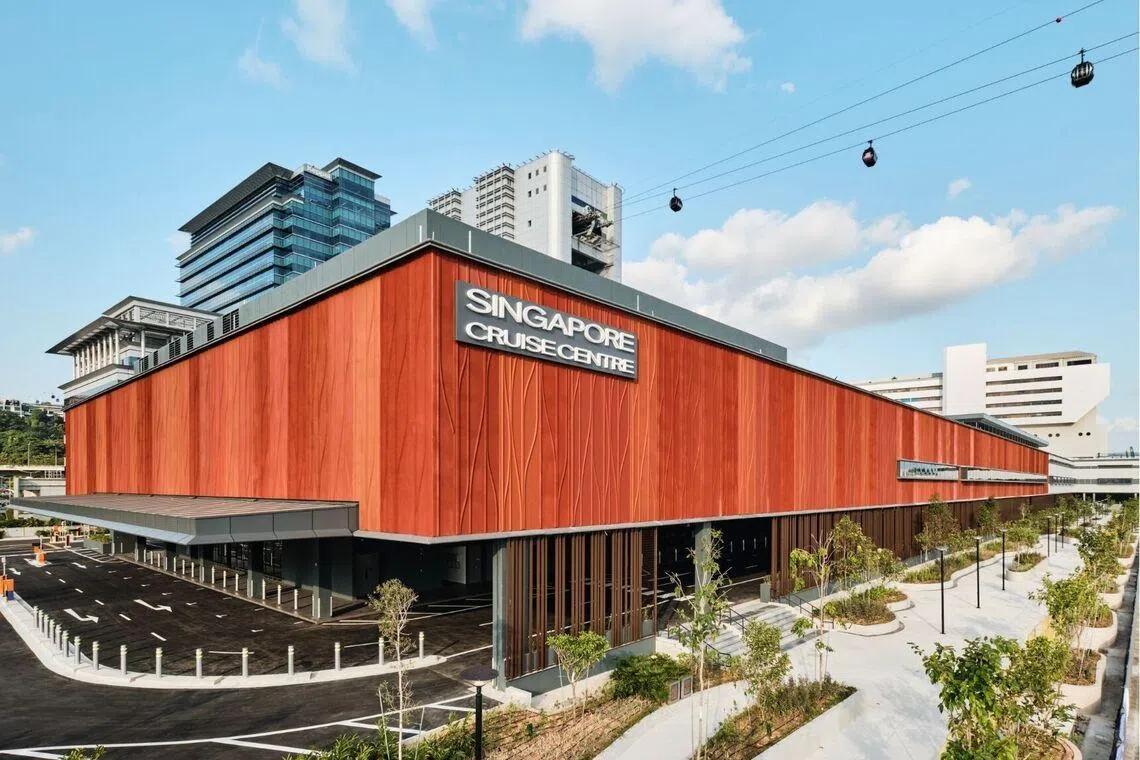
Batam Fast Ferry Moves to New HarbourFront Terminal July 7; All Operators Shift by July 15
Batam Fast Ferry will begin operations from a new HarbourFront terminal on July 7, followed by other ferry operators who are scheduled to relocate by July 15. This phased transition aims to streamline passenger flow and upgrade facilities at the Singapore-based hub, according to official reports regarding the terminal’s relocation.
Phased Relocation of Batam Ferry Services at HarbourFront
The transition of ferry services at HarbourFront is occurring in two distinct stages to minimize disruption for travelers. Batam Fast Ferry, one of the primary operators on the route, will be the first to migrate, moving its operations to the new terminal facility starting July 7. This initial move serves as the first step in a broader reorganization of the terminal’s layout and passenger handling processes.
Following the initial move by Batam Fast Ferry, all remaining ferry operators serving the Batam route will transition to the new terminal by July 15. This staggered approach allows terminal management to test the new infrastructure with a single major operator before absorbing the full volume of all service providers. According to operational details, this sequence is designed to prevent congestion and ensure that signage and staff are fully prepared for the total shift in passenger traffic.
Passengers are advised to verify their departure points during this window, as the physical location of check-in counters and boarding gates will change. The relocation involves a shift to a new area within the HarbourFront precinct, intended to modernize the boarding experience and improve the overall efficiency of the Singapore-Batam transit corridor.
Timeline of Terminal Transitions
The relocation follows a strict calendar to ensure that the transition from the old facilities to the new terminal is orderly. The primary goal is to maintain the high frequency of trips between Singapore and Indonesia while upgrading the physical environment.
| Date | Operator Involved | Action |
|---|---|---|
| July 7 | Batam Fast Ferry | Commences operations from the new HarbourFront terminal. |
| July 8 – July 14 | Batam Fast Ferry / Others | Interim period; Batam Fast Ferry in new terminal, others in old. |
| July 15 | All remaining operators | Complete migration to the new HarbourFront terminal. |
Why the HarbourFront Terminal is Relocating
The decision to move ferry operations to a new terminal stems from a need to address increasing passenger volumes and the aging infrastructure of previous facilities. HarbourFront serves as a critical gateway for both business travelers and tourists moving between Singapore and the Riau Islands of Indonesia. As travel demand has grown, the existing layout often struggled with peak-hour congestion, particularly during public holidays and weekends.

According to reports on the terminal’s development, the new facility is designed to optimize the “passenger journey”—the sequence of events from arriving at the terminal to boarding the vessel. This includes improved queuing systems, more efficient baggage handling, and clearer directional signage. By separating the flow of arriving and departing passengers more effectively, the new terminal aims to reduce the bottlenecks that previously occurred at check-in counters.
The relocation is also part of a wider effort to integrate the ferry terminal more seamlessly with the surrounding commercial and transport hubs at HarbourFront. This ensures that passengers arriving via the MRT or bus networks have a more direct and intuitive path to their boarding gates.
Impact on Passengers and Travel Logistics
For the average traveler, the most immediate impact of the move is the change in physical location. Because the transition is phased, there is a risk of confusion between July 7 and July 15. During this ten-day window, some passengers will be heading to the new terminal while others will still be using the old facilities.
“Travelers should pay close attention to their booking confirmations and terminal signage starting July 7 to ensure they arrive at the correct boarding area.”
Key logistical changes include:
- Check-in Locations: Ticket counters for Batam Fast Ferry will move first, meaning passengers using this specific operator must locate the new terminal starting July 7.
- Boarding Gates: The physical walk from the check-in counter to the gangway has been redesigned to improve flow, which may change the timing of when passengers are called to board.
- Signage Updates: New directional markers are being installed throughout the HarbourFront area to guide users toward the new facility.
Travelers are encouraged to arrive at the terminal earlier than usual during the first two weeks of July. This buffer allows for potential delays as passengers familiarize themselves with the new layout and staff manage the transition of various operators.
The Strategic Importance of the Singapore-Batam Route
The relocation of the terminal is not merely a logistical update but a reflection of the economic importance of the Singapore-Batam link. Batam, a Free Trade Zone in Indonesia, attracts significant investment from Singaporean firms and serves as a major hub for manufacturing and tourism. The constant flow of people between the two points necessitates a high-capacity, efficient transport system.

The efficiency of the HarbourFront terminal directly impacts the competitiveness of Batam as a destination. Delays at the Singapore terminal can ripple through the travel chain, affecting hotel check-ins, business meetings, and tour schedules in Indonesia. By upgrading the terminal, authorities are essentially expanding the “bandwidth” of the transit corridor.
Furthermore, the move aligns with broader regional goals to improve connectivity within the BIMP-EAGA (Brunei-Indonesia-Malaysia-Philippines East ASEAN Growth Area). As more people utilize these routes for short-term work and leisure, the infrastructure must evolve to handle a more diverse range of traveler needs, including increased digital check-in capabilities and better accessibility for people with reduced mobility.
Comparing the Phased Approach vs. Immediate Shift
Industry analysts often note that a “big bang” transition—where all operators move on a single day—can lead to systemic failure if a single technical or logistical glitch occurs. By choosing a phased approach, the terminal management implements a risk-mitigation strategy. If Batam Fast Ferry encounters issues with the new boarding systems on July 7, those problems can be identified and rectified before the remaining operators move in on July 15.
This method also allows the workforce to scale up their familiarity with the new space. Staff who manage the Batam Fast Ferry transition can provide peer-to-peer training and operational feedback to those managing the other operators’ moves a week later.
Common Misconceptions About the Move
There are several common misunderstandings regarding the terminal relocation that travelers should clarify:
- Misconception: All ferries are moving on July 7.
Correction: Only Batam Fast Ferry moves on July 7. All other operators remain in their current locations until July 15. - Misconception: Ticket prices will change due to the new terminal.
Correction: The relocation is an infrastructure change; there has been no official announcement indicating that ticket prices are linked to the move to the new terminal. - Misconception: The ferry destination is changing.
Correction: The ferries are still traveling to the same ports in Batam; only the point of departure within HarbourFront, Singapore, is changing.
Guidance for Frequent Travelers
For those who commute regularly between Singapore and Batam, the relocation requires a slight adjustment in routine. The first trip after July 7 (for Batam Fast Ferry users) or July 15 (for all others) should be treated as a “reconnaissance” trip. Identifying the new path from the MRT station to the terminal can save significant time on future journeys.
It is also recommended to check for updates via the official channels of the ferry operators. While the physical terminal is managed by the port authorities, the operators are responsible for communicating specific gate changes and check-in requirements to their ticket holders.
For those interested in broader travel updates, a related explainer on Singapore-Indonesia travel requirements may provide useful context on customs and immigration procedures that remain unchanged despite the terminal move.
Frequently Asked Questions
Which ferry operator moves to the new terminal first?
Batam Fast Ferry is the first operator to relocate, with its operations moving to the new HarbourFront terminal on July 7.
When do the other ferry operators move?
All other ferry operators are scheduled to transition to the new terminal on July 15.
Will my existing tickets still be valid?
Yes, tickets remain valid, but the location where you check in and board will change based on the dates mentioned above. Check your operator’s specific instructions.
Where is the new terminal located?
The new terminal is located within the HarbourFront precinct. Passengers should follow the updated directional signage installed throughout the area to find the new boarding gates.
Do I need to arrive earlier at the terminal during the transition?
Yes, it is highly recommended to arrive earlier than usual between July 7 and July 15 to account for the new layout and potential confusion during the phased migration.
The successful migration of these services marks a significant step in the modernization of Singapore’s maritime passenger infrastructure. By prioritizing a phased rollout, the authorities ensure that the vital link between Singapore and Batam remains operational and efficient, providing a better experience for the thousands of passengers who traverse this route daily.
