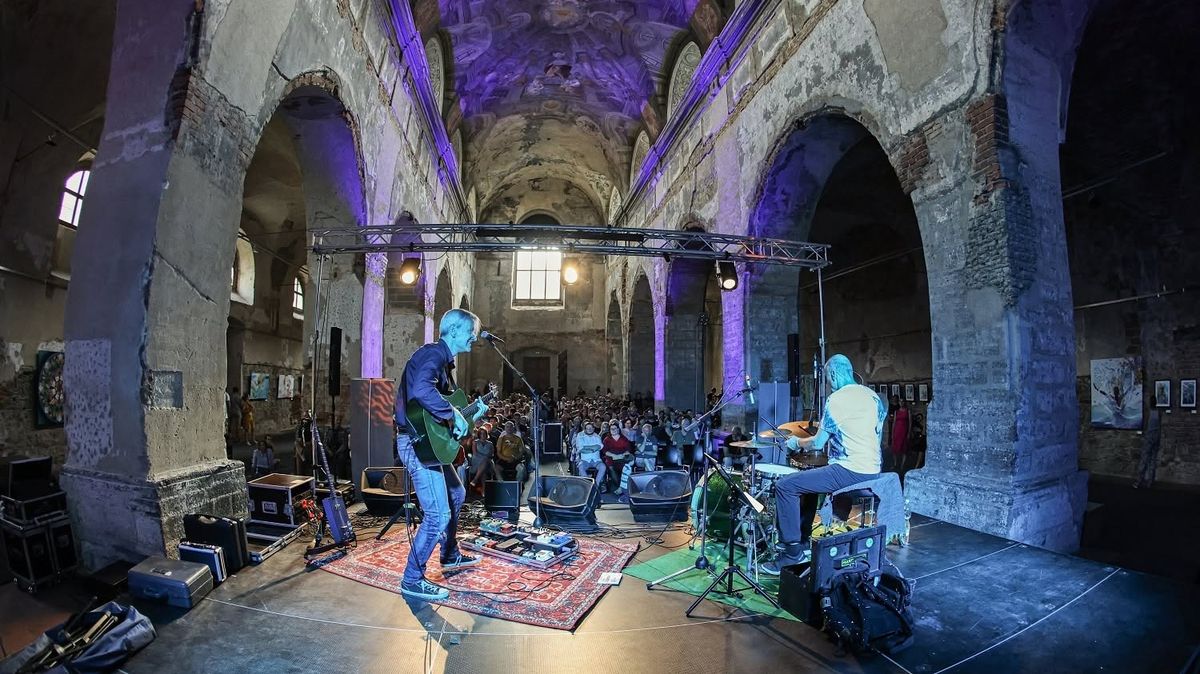
Czech music festivals aren’t just about high-energy performances and packed crowds—they’re built by volunteers who prioritize community over profit, according to local media reports. In an industry where commercialization often drives events, organizers behind some of the country’s most beloved festivals reject the idea of turning culture into a money-making machine.
Why Czech Festivals Reject the Commercial Model
The statement “Není nutné ubavit se k smrti”—translated roughly as “You don’t have to entertain yourself to death”—captures the ethos of many Czech festivals. Organizers emphasize that these events are run by volunteers, not corporate backers, and their focus remains on fostering local talent and grassroots culture rather than maximizing revenue.
Unlike major international festivals that rely on sponsorships, ticket sales, and merchandise to turn a profit, Czech organizers say their model is driven by passion. “It’s not about making money; it’s about creating an experience that brings people together,” said one festival coordinator, speaking to local reporters. “We want to keep the spirit of community alive, not turn it into a business.”
How the Volunteer-Driven Model Works
Key Details
- No corporate sponsors: Festivals operate on donations, local partnerships, and minimal ticket pricing to ensure accessibility.
- All-volunteer staff: From security to sound technicians, organizers rely on unpaid help from music enthusiasts.
- Focus on local artists: Lineups prioritize emerging Czech talent over international headliners, keeping the scene authentic.
This approach contrasts sharply with the commercialized festival circuit in the U.S. or Western Europe, where events like Coachella or Tomorrowland operate as multi-million-dollar enterprises. While those festivals draw massive crowds and media attention, Czech organizers argue their model preserves the soul of music culture without the pressure of profit margins.
What This Means for Festival Culture
The volunteer-driven model isn’t just about idealism—it reflects a broader cultural shift in how festivals are perceived. In an era where overpriced tickets and VIP packages have alienated some fans, Czech organizers offer a refreshing alternative: events that exist for the love of music, not the bottom line.
Industry observers note that this approach could inspire other regions to rethink their own festival structures. “If more events adopted this philosophy, the music community might see less burnout and more genuine connections,” said a Czech music journalist. “It’s a reminder that entertainment doesn’t always have to mean exploitation.”
What Happens Next?
With no immediate plans to expand commercially, organizers say they’ll continue focusing on sustainability and community engagement. Future festivals may introduce small paid roles for essential staff, but the core volunteer model will remain intact. For now, the message is clear: Czech festivals aren’t here to make you spend—just to bring you together.
