FDA approves Moderna mFlusiva mRNA flu vaccine for adults aged 50 and older
The authorization of America's first mRNA seasonal influenza vaccine follows a contentious political fight at the FDA and leaves Moderna facing immediate commercial supply bottlenecks.

Moderna has secured a landmark decision from the U.S. Food and Drug Administration, clearing the nation's first messenger RNA-based seasonal influenza vaccine, known as mFlusiva or mRNA-1010, for adults aged 50 and older. The authorization arrives just months after top drug regulators attempted to block the application's review, exposing deep friction between career scientists and political leadership over the underlying mRNA technology.
The approval introduces a new immunization option designed to protect against the four most common strains of influenza, which the World Health Organization notes cause up to five million severe cases and as many as 650,000 respiratory deaths annually. Yet, despite the regulatory green light, commercial deployment faces immediate bottlenecks. Because the company missed the procurement and contracting cycle for the upcoming season, financial analysts do not expect meaningful revenue generation until the second half of 2027, according to reporting by Emirates247.
Related YouTube video


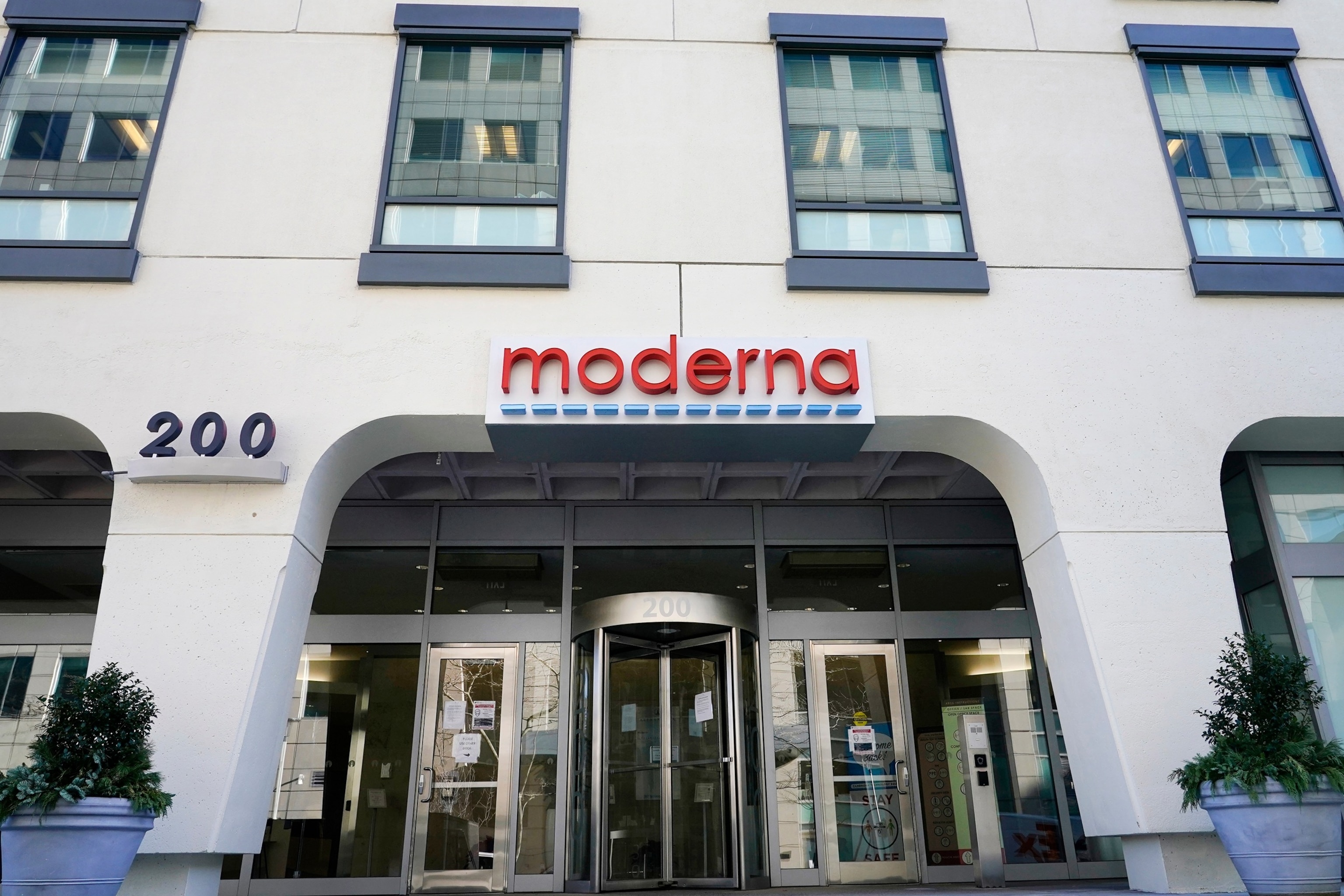
The regulatory pathway to authorization involved a severe political clash. In February, Dr. Vinay Prasad, then the top vaccine regulator at the FDA and a prominent supporter of Health and Human Services Secretary Robert F. Kennedy Jr., dismissed Moderna's application over its choice of a control comparator vaccine (Forbes). The refusal to review bypassed career scientists, drawing sharp criticism from medical professionals before then-Commissioner Marty Makary walked back the decision, attributing it to routine agency discourse (Forbes). Following leadership controversies that forced the resignations of Makary and Prasad, acting Commissioner Kyle Diamantas stepped in to steady the agency (Emirates247). By June, an independent vaccine advisory committee unanimously recommended approval (Forbes).
The FDA structured its authorization into a two-tier framework. Traditional approval applies to adults aged 50 to 64, backed by a late-stage clinical trial of 40,805 participants across 11 countries (Engadget). In this cohort, the trial demonstrated that mFlusiva yielded roughly 26.6% to 27% fewer confirmed influenza-like illness cases than licensed standard-dose egg-based vaccines (Forbes), (Aol). For patients aged 65 and older, the agency granted accelerated approval (Forbes), noting that separate data showed the shot generated stronger antibody responses than Sanofi's high-dose competitor (Emirates247).
Clinical data indicate a specific trade-off for recipients. While traditional and mRNA shots share comparable overall safety profiles, patients receiving mFlusiva reported a higher frequency of transient solicited adverse events, including injection-site pain, fatigue, headache, and myalgia, though most reactions remained mild to moderate and resolved within two days (Engadget), (Aol).
The launch unfolds against a backdrop of active hostility from federal health authorities toward the mRNA platform. HHS Secretary Robert F. Kennedy Jr. Previously canceled nearly $500 million in federal grants and contracts earmarked for mRNA vaccine development under the Biomedical Advanced Research and Development Authority (BARDA), asserting that the technology fails to adequately protect against upper respiratory infections (Forbes). Immunologist and former BARDA Director Rick Bright criticized the cancellations as a move that compromises national defense against unknown biological threats (Forbes). Proponents of the platform maintain that mRNA technology allows for significantly faster manufacturing development times and more precise strain matching than conventional egg-based protein production (Emirates247), (Aol).
Jefferies analysts previously projected $750 million in combined U.S. Sales for Moderna's standalone flu shot and an anticipated combination COVID-flu vaccine by 2030 (Emirates247). However, Moderna withdrew its application for the combination shot last year following requests from regulators for deeper efficacy evidence (Emirates247), and missing the current commercial contracting cycle defers any immediate cash flow (Emirates247).
To retain its market authorization for older demographics, Moderna must generate and submit follow-up trial data for adults aged 65 and older to confirm clinical benefits and secure permanent traditional approval (Forbes), (Emirates247).
Competitive Landscape and Market Position
According to reporting by Emirates247, mFlusiva enters a crowded commercial marketplace where it must compete directly against established influenza immunizations manufactured by traditional pharmaceutical companies including Sanofi, GSK, CSL Seqirus, and AstraZeneca. The vaccine operates by utilizing messenger RNA technology to instruct human cells to produce influenza antigens, generating an immune response in contrast to conventional egg-based protein production methods (Emirates247).
- Moderna's mFlusiva mRNA platform offers faster manufacturing development times and greater adaptability to new circulating strains.
- Jefferies financial analysts previously estimated $750 million in combined U.S. Sales for Moderna's standalone flu shot and an anticipated combination COVID-flu vaccine by the year 2030 (Emirates247).
Moderna has relied on its influenza immunization program alongside future combination products to offset declining revenue from COVID-19 products and validate its broader technological pipeline, although missing the commercial contracting window for the upcoming season delays immediate financial returns (Emirates247). As noted by Forbes, the company intends to make mFlusiva accessible to eligible populations during the upcoming respiratory illness season, with the next step requiring the drugmaker to track real-world winter performance data and submit ongoing trial findings to the Food and Drug Administration to uphold full authorization for older adults.
How significant is this development?
Contribute your assessment to the aggregated reader intelligence ledger.
Archypedia is dedicated to independent, evidence-backed reporting. This briefing was synthesized from primary source reporting, corroborated across independent newsrooms, and verified against our Editorial Standards.
Transparency record
Evidence behind this report
This report synthesizes 4 distinct sources. Open the source ledger below to compare the underlying coverage.
Prepared under the Archypedia Editorial Policy by the Elena Voss editorial desk profile. AI-assisted tools may support drafting and verification; public accountability remains with Archypedia. Report an error.


