Taylor Farms recalls jalapeño products over salmonella risk
The recall involves a supply chain link to a grower in Sinaloa, Mexico. This follows a separate, larger outbreak of cyclospora linked to iceberg lettuce.

Last month, Taylor Farms was tied to a widespread outbreak of cyclospora, a parasite linked to iceberg lettuce. This Sunday, August 10, 2026, the Salinas, California-based distributor announced a new recall of more than 20 prepared food products containing jalapeños due to potential salmonella contamination.
The new recall affects salsas, guacamoles, taco dips, burritos, and shrimp salads distributed across 26 states. The products were sold at major retailers including Walmart, Target, Whole Foods, Kroger, Trader Joe's, Stop & Shop, and Hannaford. Because these items carry "best if used by" dates through August 16, 2026, contaminated products may still be in consumer refrigerators.
Related YouTube video
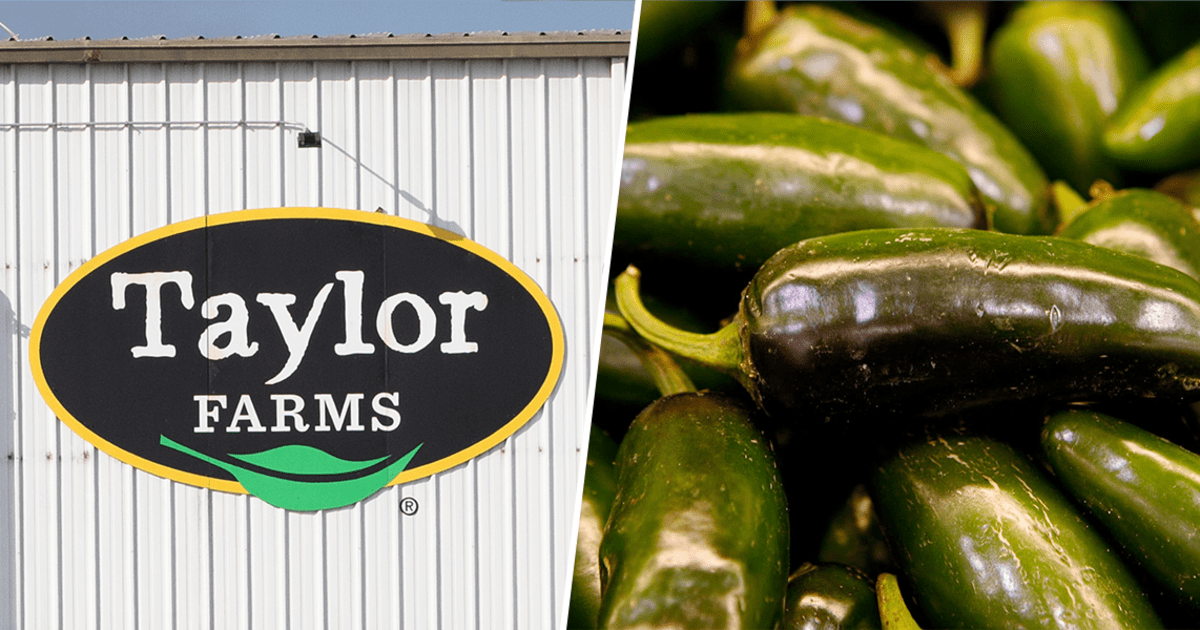
The salmonella risk stems from a specific supply chain path: a grower in Sinaloa, Mexico, supplied fresh jalapeños to Coast Citrus Distributors, which then supplied Taylor Farms and several national restaurant chains. The FDA and CDC have identified this grower as the likely source of a multistate outbreak of Salmonella Javiana that has sickened at least 345 people across 27 states and led to 36 hospitalizations. Illnesses were reported between June 19 and July 20, 2026.
There is a distinct gap between the broad outbreak and Taylor Farms' specific retail products. While the company is pulling its jalapeño-based items from shelves, Taylor Farms stated it is "no longer" sourcing from the Sinaloa farmer and remains unaware of any reported illnesses specifically linked to its recalled prepared foods. This differs from the restaurant sector; of 191 interviewed patients in the broader salmonella outbreak, 93% reported eating at a Mexican-style restaurant before falling ill.
The financial fallout from these consecutive crises has extended beyond the distributor to the broader "fresh" food sector. General consumer wariness of produce has dampened demand, leading to tangible losses for several chains:
- Sweetgreen: Slashed its full-year earnings forecast, attributing the move to diners avoiding "slop bowl" salads due to the earlier cyclospora outbreak.
- Chipotle: Reported a sales weakness of approximately 2% around the second half of July.
- Salad and Go: Filed for bankruptcy and announced the closure of all locations, stating the cyclospora outbreak compounded existing challenges.
The earlier cyclospora crisis was significantly larger in scale. An estimated 20,000 people were sickened by the parasite, with hundreds hospitalized and at least two deaths reported. While the salmonella outbreak is linked to jalapeños, the cyclospora event was tied to iceberg lettuce from central Mexico. According to Today, NielsenIQ data shows U.S. Fresh iceberg lettuce unit sales fell 11.1% in the four weeks ended June 27 and another 15.3% in the four weeks ended July 25.
Both Salmonella and Cyclospora present severe risks to high-risk groups, including young children, the elderly, and immunocompromised individuals. While salmonella typically causes fever, nausea, and cramps, cyclospora—a microscopic parasite transmitted via contaminated food or water—causes cyclosporiasis, characterized by bloating, gas, and watery diarrhea.
Restaurant chains have responded by purging their inventories. Chipotle began switching jalapeño suppliers for affected locations on July 20, and QDOBA stopped using jalapeños entirely on July 28. The FDA stated it does not consider either chain to pose an ongoing risk.
The repeated failures at Taylor Farms have raised concerns regarding food industry consolidation and the risks of relying on specific regional growers. Although Taylor Farms voluntarily suspended iceberg lettuce production from central Mexico and commissioned a safety review, federal agencies are still working to identify contamination sources for the cyclospora outbreak beyond iceberg lettuce.
Distribution and Consumer Recovery
The recall covers 20 prepared food items sent to distribution centers in 26 states, including New York, Alabama, Arkansas, Florida, Georgia, Illinois, Indiana, Kansas, Kentucky, Louisiana, Massachusetts, Maine, Michigan, Minnesota, Missouri, Mississippi, Nebraska, New Hampshire, Ohio, Oklahoma, South Carolina, Tennessee, Texas, Vermont, Wisconsin, and West Virginia, according to the FDA.
Health officials have urged caution for those experiencing severe symptoms. The CDC advises seeking medical care for persistent vomiting, signs of dehydration, diarrhea lasting more than three days, bloody diarrhea, or a fever exceeding 102°F.
Parallel Outbreak Data
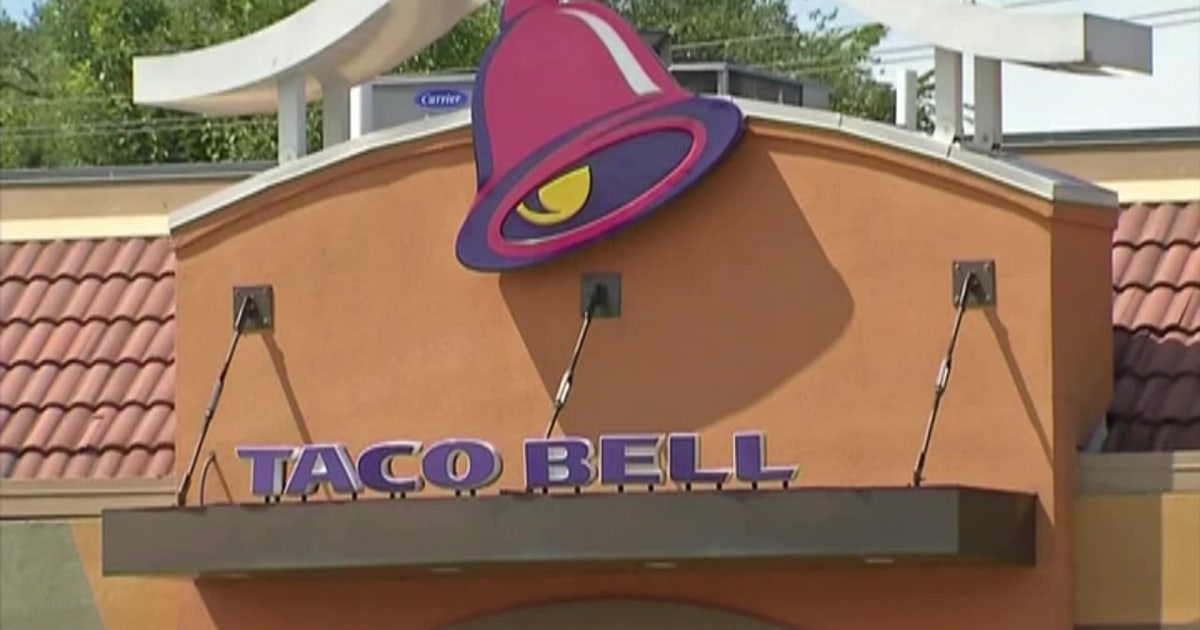
While the salmonella outbreak has caused 36 hospitalizations and no deaths as of August 5, the cyclospora event was more lethal. According to the CDC, the parasite outbreak resulted in at least two deaths and hundreds of hospitalizations. Yahoo reports that the cyclospora recall specifically involved iceberg lettuce from Taylor Farms de Mexico that was distributed across 27 states, with 94 hospitalizations and 1,644 confirmed illnesses across five states linked to Taco Bell restaurants.
The FDA noted that as of August 5, it had not confirmed positive sample tests for cyclospora on the company's lettuce, even as it linked the products to the outbreak. This discrepancy remains a point of contention as the company commissioned a safety review and suspended production in central Mexico.
Because the salmonella investigation is ongoing, the FDA and CDC warned the actual number of infections may exceed 345, as some individuals recover without testing. For Taylor Farms, the next step involves securing alternative suppliers to fill orders previously sourced from the Sinaloa grower.
How significant is this development?
Contribute your assessment to the aggregated reader intelligence ledger.
Archypedia is dedicated to independent, evidence-backed reporting. This briefing was synthesized from primary source reporting, corroborated across independent newsrooms, and verified against our Editorial Standards.
Transparency record
Evidence behind this report
This report synthesizes 4 distinct sources. Open the source ledger below to compare the underlying coverage.
Prepared under the Archypedia Editorial Policy by the Elena Voss editorial desk profile. AI-assisted tools may support drafting and verification; public accountability remains with Archypedia. Report an error.