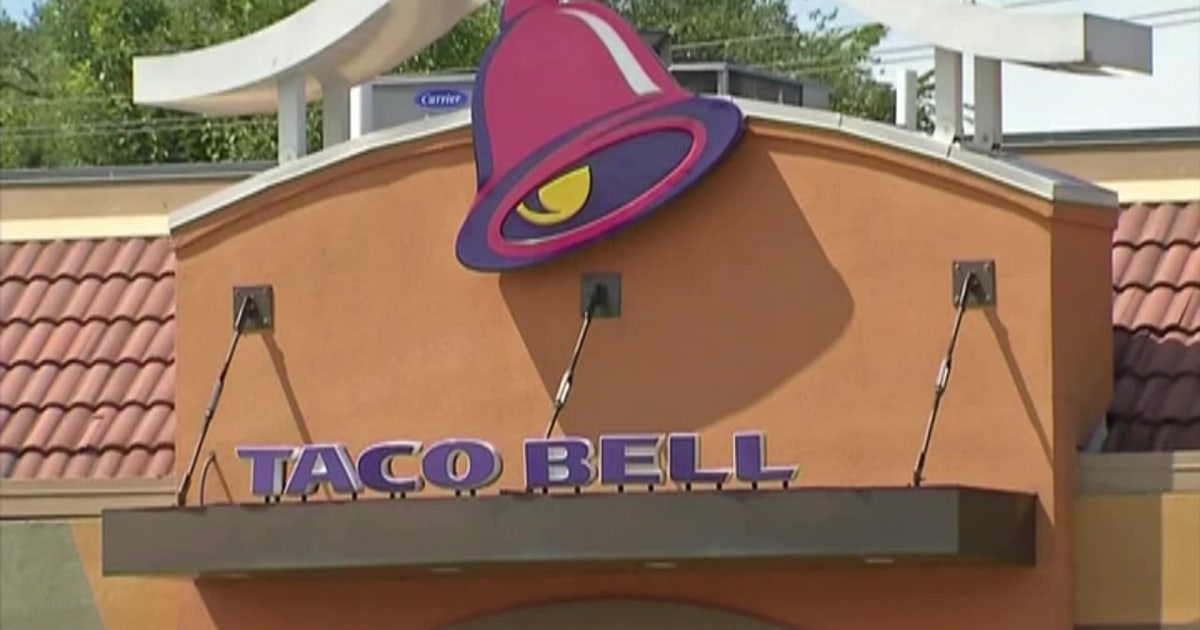
Taylor Farms lettuce linked to Taco Bell cyclosporiasis outbreak
A federal investigation has identified Taylor Farms as a potential source of a widespread cyclosporiasis outbreak tied to lettuce served at Taco Bell. Health officials are currently monitoring thousands of cases as the investigation continues.
A nationwide outbreak of cyclosporiasis, an intestinal illness characterized by severe, watery diarrhea, has prompted a major supply chain shift at Taco Bell. The decision follows reports identifying the California-based supplier as a potential point of contamination in an escalating public health crisis that has spread to 34 states.
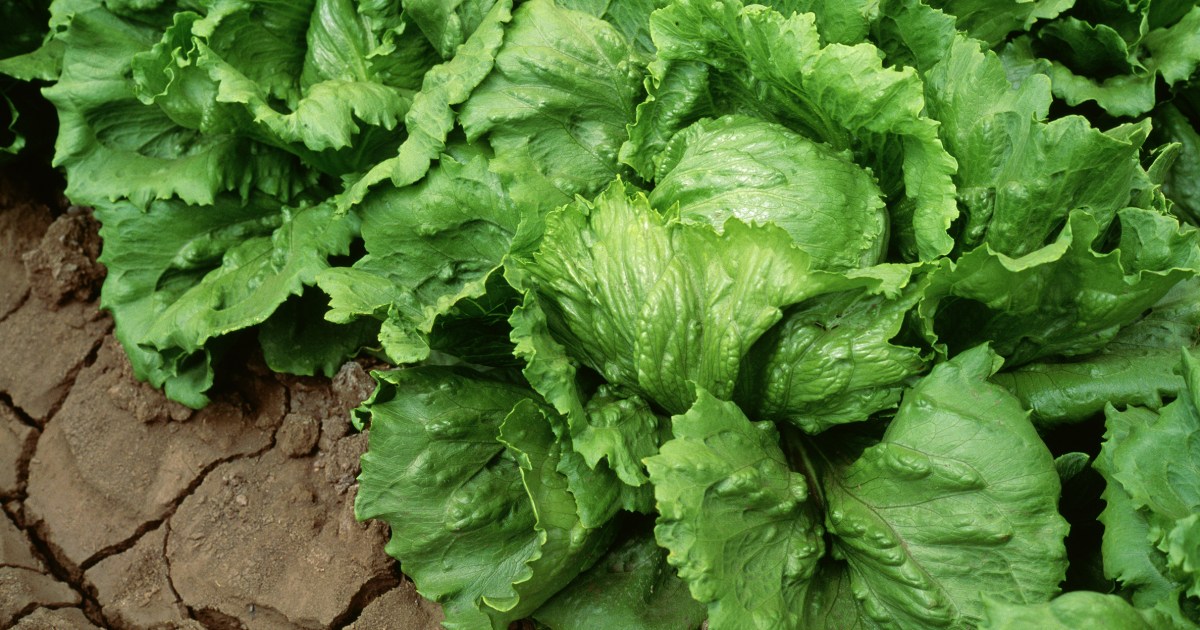
The investigation centers on shredded iceberg lettuce. According to multiple individuals familiar with the federal probe, investigators analyzed commonalities among infected patients and repeatedly identified menu items at Taco Bell as a consistent factor. When health authorities tracked the supply chain, the lettuce served at affected locations was traced back to Taylor Farms, a major global producer of fresh produce and salad kits.
Related media


Outbreak Scope and Impact
The Centers for Disease Control and Prevention reports that since May, there have been 1,645 confirmed cases of cyclosporiasis. However, this figure is widely regarded as a significant undercount, with an additional 5,100 cases currently under review. State-level data indicates a much more intense local impact, particularly in Michigan, which has recorded over 4,300 cases and at least 102 hospitalizations. The Food and Drug Administration and the Centers for Disease Control and Prevention have established a likely connection between cases in Michigan, Ohio, West Virginia, and Kentucky, pointing to a shared source of infection.
While Taco Bell has removed the suspected lettuce, the company stated that the move was made out of an "abundance of caution" rather than a formal advisory from health authorities. Consumers in areas like Metro Detroit were alerted to the situation earlier in the month through signage at local restaurants, which stated that the chain was unable to serve lettuce, cilantro onion, pico de gallo, and guacamole—though no official food recall for Taylor Farms had been registered on federal lists by mid-July.
Industry and Expert Perspectives
The reliance on patient interviews to pinpoint the source of the Cyclospora parasite has drawn criticism from the food industry. Max Teplitski, chief science officer at the International Fresh Produce Association, argued that patient recollections only explain a fraction of current cases. He noted that the parasite’s complex life cycle and difficulty of detection make it a challenging subject for investigators.
This is not the first time Taylor Farms has faced scrutiny regarding food safety. The company was previously linked to a 2013 cyclosporiasis outbreak involving salad mixes in Iowa and Nebraska, as well as a 2024 E. Coli outbreak traced to onions used on McDonald’s hamburgers. In the 2013 case, the FDA traced the source to a processing plant in Mexico.
What to Watch Next
- Ongoing Data Collection: Officials expect case counts to rise through the end of August, citing a six-week lag between the onset of illness and formal reporting.
- Investigation Updates: While reports identify Taylor Farms as a potential source, public health agencies have not yet issued a definitive, public confirmation tying any specific grower or processor to the current outbreak.
Public health experts emphasize that while the outbreak is significant, consumers should not abandon fresh produce entirely. They recommend washing all fruits and vegetables under running water and, where possible, cooking produce to eliminate the parasite, which is known for its ability to adhere to surfaces.
Archypedia is dedicated to independent, evidence-backed reporting. This briefing was synthesized from primary source reporting, corroborated across independent newsrooms, and verified against our Editorial Standards.
Transparency record
Evidence behind this report
This report synthesizes 10 distinct sources. Open the source ledger below to compare the underlying coverage.
- snopes.com
- yahoo.com
- nbcnews.com
- cbsnews.com
- forbes.com
- dailymail.com
- adn.com
- livemint.com
- finance.yahoo.com
- health.yahoo.com
Prepared under the Archypedia Editorial Policy by the Elena Voss editorial desk profile. AI-assisted tools may support drafting and verification; public accountability remains with Archypedia. Report an error.