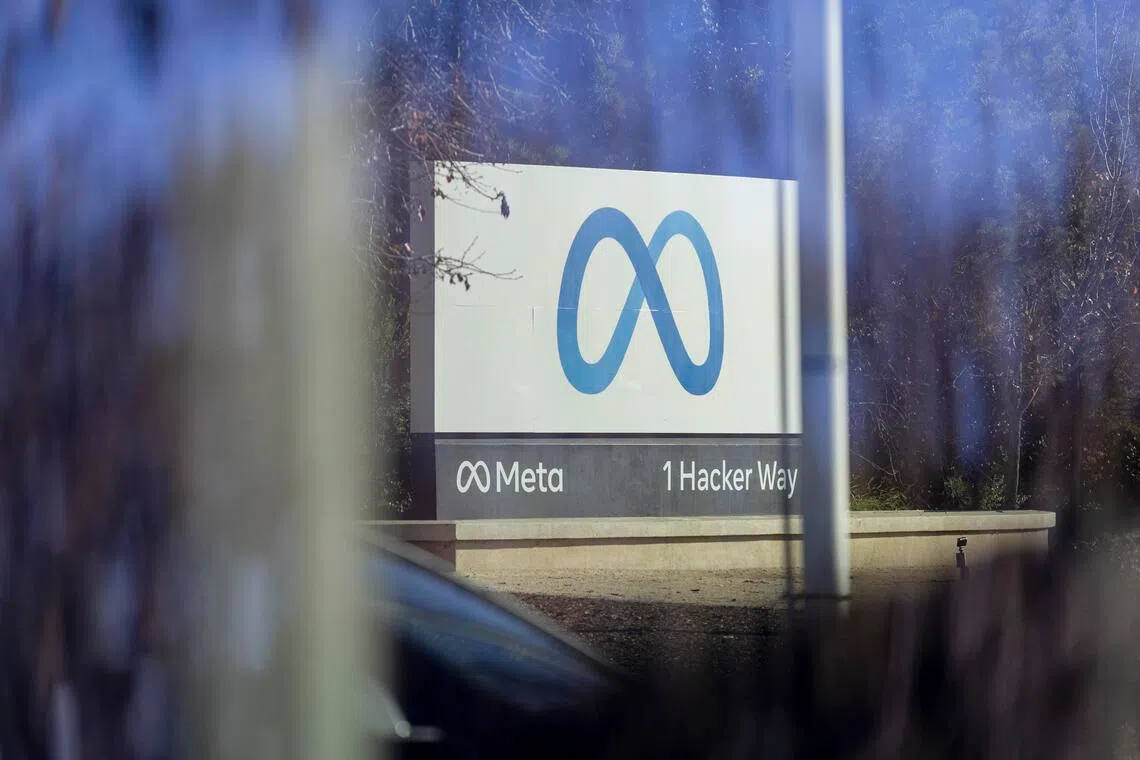
EU threatens Meta with fines over addictive Facebook and Instagram features
European regulators have formally challenged Meta over features like infinite scrolling and autoplay, which the Commission claims foster compulsive use. The company faces potential fines if it fails to overhaul its engagement-driven design.
European regulators have moved to challenge the foundational architecture of Meta's social media empire, warning the company on Friday, 10 July 2026, that its current app design violates the Digital Services Act. The European Commission, acting as the bloc’s primary tech watchdog, issued preliminary findings asserting that features integrated into Facebook and Instagram—specifically infinite scrolling, video autoplay, and personalized recommendation algorithms—are engineered to foster compulsive use.
The Commission’s investigation, which began in May 2024, concluded that these design choices effectively shift users into an autopilot mode
, which the agency argues poses significant risks to the physical and mental well-being of both adults and minors. By prioritizing engagement metrics above user welfare, the regulator claims Meta has failed to fulfill its legal obligations to assess and mitigate systemic risks on its platforms.
Related media



Regulatory Demands and Potential Penalties
The European Commission has provided a clear roadmap for what it expects Meta to change to reach compliance. Regulators have called for the company to disable features like autoplay and infinite scroll by default, implement forced screen-time breaks, and fundamentally alter its recommendation algorithms so they are less focused on driving continuous user engagement.
Should Meta fail to satisfy these requirements, the company faces the possibility of severe financial penalties. Under the terms of the Digital Services Act, non-compliance could result in fines of up to 6% of the company's total global annual turnover. Based on Meta's fiscal 2025 revenue, analysts note this theoretical ceiling could reach approximately $12 billion, though historical precedents for EU fines have typically landed at lower levels.
A Disagreement Over Protection
Meta has pushed back against the Commission's characterization of its platforms. In a statement, a company spokesperson rejected the findings, arguing that they fail to account for the measures already implemented to safeguard younger users.
"We disagree with these preliminary findings, which don't accurately take into account the significant steps we've taken to protect teens. Since this investigation began, we rolled out Teen Accounts that automatically protect teens and put parents in control - allowing them to block access to Instagram at night and cap daily screen time at just 15 minutes."
The Commission dismissed the efficacy of such existing tools. In its official assessment, the regulator argued that time-management features are too easily dismissed by users and that existing parental controls require a level of technical expertise and time commitment that renders them impractical for many families.
Broader Context and Future Outlook
The tension between Brussels and Silicon Valley continues to intensify as European officials shift their focus from content moderation to the underlying mechanics of platform design. Henna Virkkunen, the Commission's executive vice-president for tech policy, emphasized that protecting mental health must remain a priority for all major platforms. This latest action follows an investigation finalized in April 2026, which found that Meta had failed to adequately prevent children under the age of 13 from accessing its services.
The debate over addictive design coincides with a period of heightened international scrutiny. In the United States, Meta is currently contesting a wave of more than 2,400 lawsuits regarding similar allegations of addictive features. Meanwhile, pressure is mounting within Europe for more aggressive restrictions, including potential bans on social media for minors, a topic that is gaining traction in nations such as France, Italy, and Spain.
What to watch next:
- Formal Response: Meta is currently reviewing the investigation files and will have the opportunity to submit a formal written defense to the European Commission.
- Expert Recommendations: An expert panel convened by European Commission President Ursula von der Leyen is expected to deliver its recommendations regarding potential social media bans for children on Monday, 13 July 2026.
- Non-Compliance Decision: Following the review period, the Commission will issue a final ruling. If the preliminary findings are confirmed, the company will be required to overhaul its engagement-oriented design or face the threat of a record-setting fine.
As the legal process unfolds, the outcome of this case will likely establish a template for how the European Union regulates the design of digital products across the board, moving beyond Meta to influence how all large-scale platforms manage user attention.
How significant is this development?
Contribute your assessment to the aggregated reader intelligence ledger.
Archypedia is dedicated to independent, evidence-backed reporting. This briefing was synthesized from primary source reporting, corroborated across independent newsrooms, and verified against our Editorial Standards.
Transparency record
Evidence behind this report
This report synthesizes 11 distinct sources. Open the source ledger below to compare the underlying coverage.
- apnews.com
- yahoo.com
- aol.com
- nypost.com
- theguardian.com
- thenews.com.pk
- thenextweb.com
- bbc.com
- techcrunch.com
- euronews.com
- thurrott.com
Prepared under the Archypedia Editorial Policy by the Elena Voss editorial desk profile. AI-assisted tools may support drafting and verification; public accountability remains with Archypedia. Report an error.