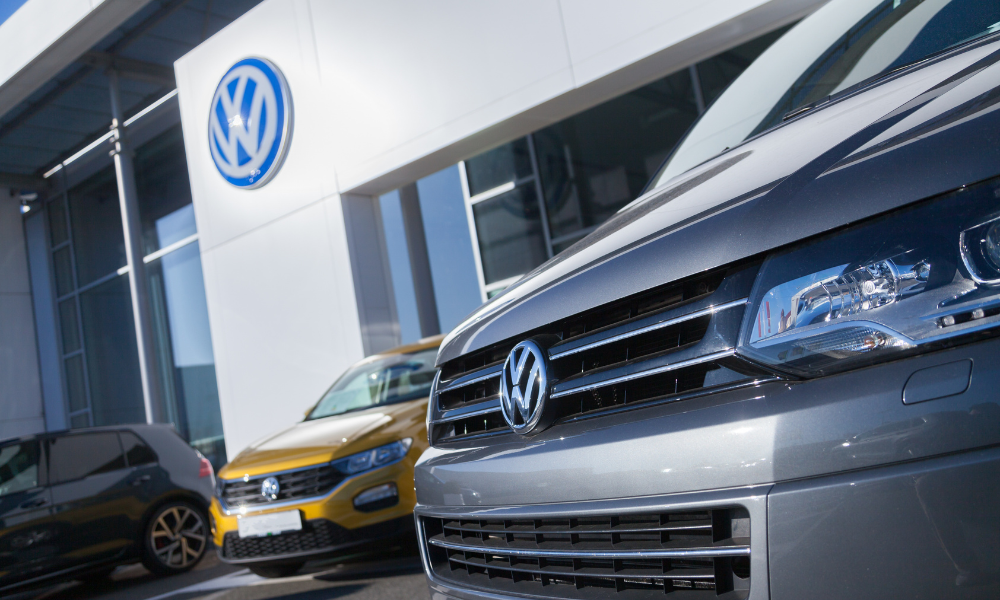
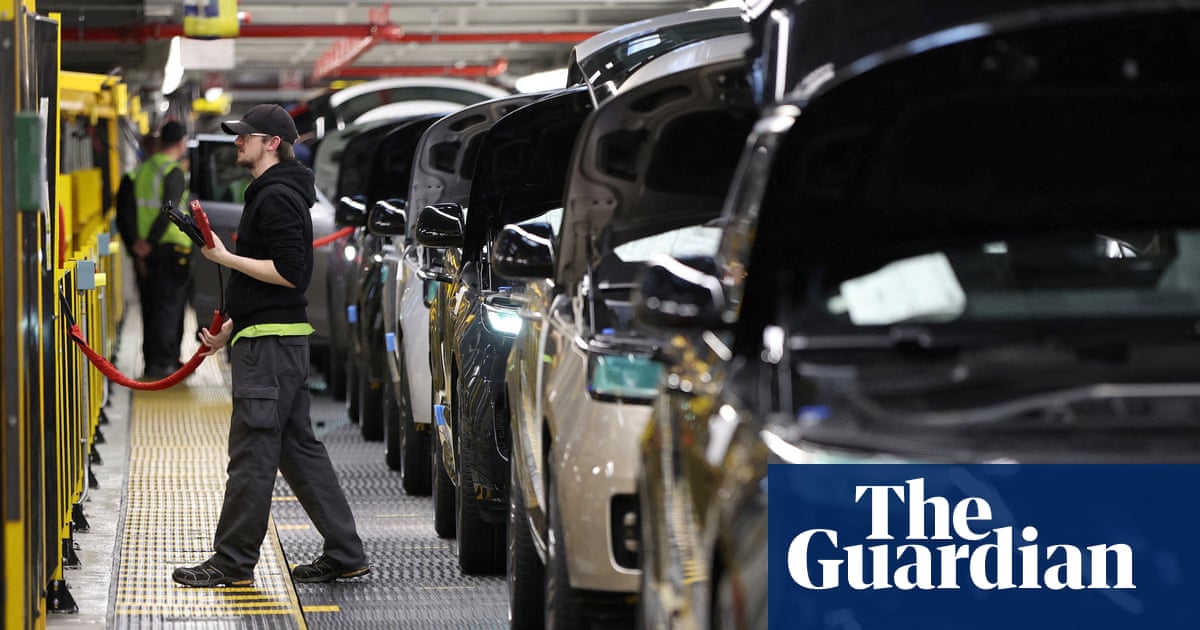
Volkswagen board approves cutting 50,000 jobs and ending production at 4 plants
The plan aims to eliminate excess production capacity of 500,000 vehicles across Europe and reduce the model portfolio by approximately 50%.
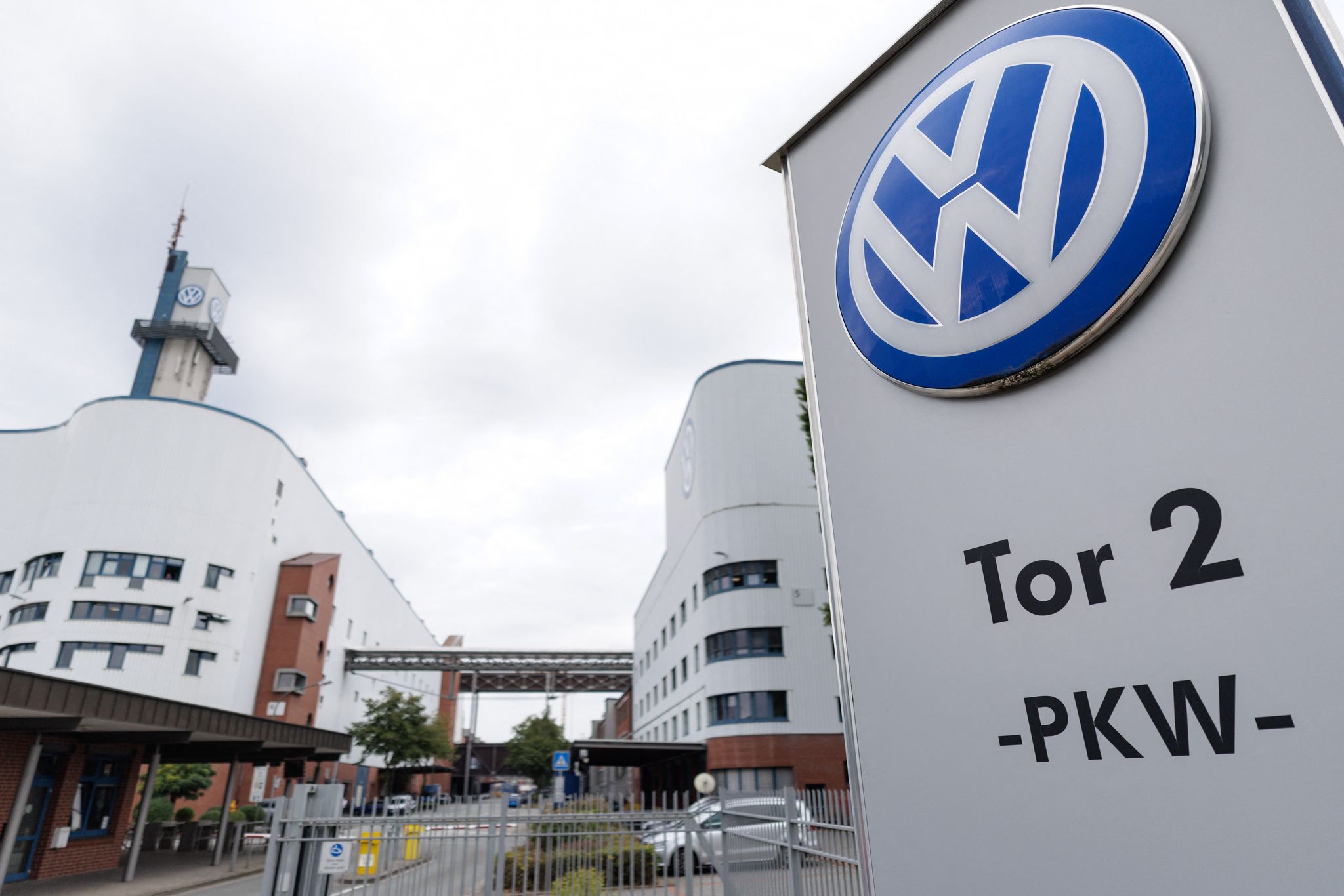
Auto production will end at four German plants—Emden, Zwickau, Hanover, and Neckarsulm—as part of a sweeping restructuring approved by the Volkswagen board of directors on Thursday. The plan eliminates 50,000 positions worldwide, including management roles, adding to another 50,000-job reduction already in progress.
The restructuring is the most extensive in the 89-year history of the company. It is designed to counter low-cost competition in China and the impact of U.S. Import tariffs, which have contributed to a 30% drop in after-tax earnings for the first half of the year according to reports from Chron and the Chicago Tribune.
Related YouTube video

CEO Oliver Blume's "Future Plan" aims to eliminate excess production capacity of 500,000 vehicles across Europe. To lower fixed costs, the company will reduce its model portfolio by approximately 50% and cut offering complexity by roughly 75%. By slimming the variety of vehicles produced, Volkswagen intends to increase the volume per individual model.
In a governance structure where worker representatives hold half the seats and the government of the Lower Saxony region holds two, the board typically exercises significant control. India Today reports that management had considered calling an extraordinary general meeting to bypass resistance and push through these demands.
The approved package specifically targets a simplification of the conglomerate's structure and a limitation of the supervisory board's influence over key decisions. This shift toward leaner leadership structures and shorter lines of decision
represents a direct move to reduce the friction inherent in the company's union-heavy governance.
Chief employee representative Daniela Cavallo, who had been strongly critical of the plan over the summer, stated that the measures were a necessity for our company to move successfully into the next decade without the associated undertakings coming only on the side of the employees
, according to The Globe and Mail.
Olaf Lies, the governor of Lower Saxony, described the path as a shared path toward the necessary transformation
in the face of enormous
challenges.
Financial and Operational Targets (2027–2031)
| Metric | Target/Projection |
|---|---|
| Operating Margin | 9% (within 4 years) |
| Operating Result | Around €31 billion |
| Overhead Costs | €37 billion |
| CapEx and R&D | €135 billion |
The company is attempting to stabilize its various nameplates, which include Audi, Porsche, SEAT, and Skoda, while pivoting away from the volatility of the Chinese market. Management describes the move as a way to make its iconic brands even more attractive, stronger and competitive
.
While the board's approval was unanimous, the human cost remains distributed across a global workforce of approximately 650,000 employees. The company has not yet specified how the 50,000 new cuts will be distributed across its different regions or brands.
The immediate fate of the workforce at the four targeted German plants remains uncertain. While the company stated that a competitive future production allocation
cannot be secured for Emden, Zwickau, Hanover, and Neckarsulm, it noted that alternative uses for these sites will be explored. No specific timeline for the workforce reductions or the definitive closure dates for these plants has been provided, beyond the risk to operations starting from 2031 onward.
Structural Changes and Strategic Shifts
The board's unanimous decision follows weeks of tense negotiations involving the majority owner, Porsche SE, as well as unions and the government of Lower Saxony. According to India Today, these discussions nearly led management to call an extraordinary general meeting to push through the demands before the final agreement was reached.
The restructuring seeks to address broader industrial shifts, including technological change and evolving demand patterns. CEO Oliver Blume stated the plan is a strong signal for the future of Volkswagen Group
, claiming the company is taking responsibility for our entire workforce, for our partners and for industrial jobs worldwide
, via The Globe and Mail.
The financial burden of these changes is distributed across a global workforce of approximately 650,000 people. While the plan targets a 9% operating margin within four years, the company has not yet disclosed how the 50,000 new position cuts will be split between its various brands or geographic regions. This remains a point of uncertainty as the company moves to limit the supervisory board's influence over key decisions.
Operational risks for the targeted plants in Emden, Zwickau, Hanover, and Neckarsulm are projected to manifest from 2031 onward, according to APA. For these sites, the next step involves exploring alternative uses since a competitive future production allocation cannot be secured.
Archypedia is dedicated to independent, evidence-backed reporting. This briefing was synthesized from primary source reporting, corroborated across independent newsrooms, and verified against our Editorial Standards.
Transparency record
Evidence behind this report
This report synthesizes 5 distinct sources. Open the source ledger below to compare the underlying coverage.
Prepared under the Archypedia Editorial Policy by the Samir Haddad editorial desk profile. AI-assisted tools may support drafting and verification; public accountability remains with Archypedia. Report an error.