Russia orders closure of German consulate in St Petersburg amid Leipzig dispute
Moscow's expulsion of German diplomats and cultural centers follows Berlin shutting down Russian facilities after an explosives-laden drone was discovered near a Ukrainian cargo plane.
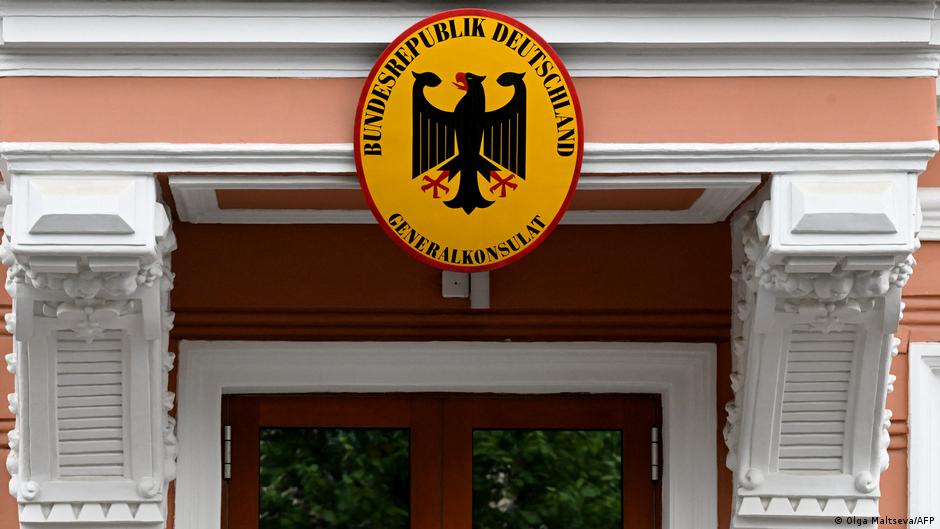
Russia’s Foreign Ministry announced that it is shuttering the German consulate in St. Petersburg alongside all branches of the German government-financed Goethe-Institut cultural centers across Russian territory, according to statements reported by Deutsche Welle. The retaliatory orders arrive directly on the heels of sweeping measures enacted by Berlin, which ordered the immediate closure of the Russian consulate in Bonn and the Russian House cultural center in Berlin after intelligence agencies pinned responsibility for an explosive-laden drone near a Ukrainian cargo plane in Germany on Moscow.
The Spark at Leipzig and Expanding Security Fallout
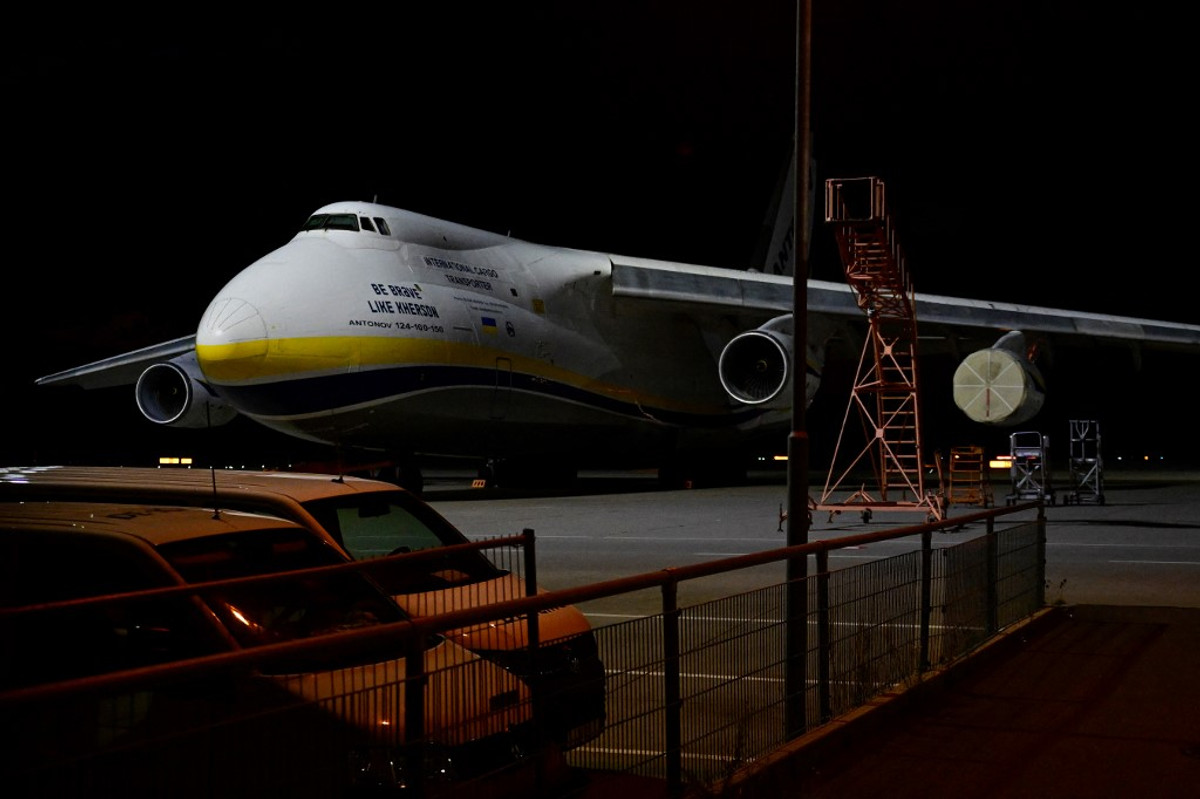
The diplomatic rupture traces directly to August 4, 2026, when authorities discovered an unmanned aerial vehicle equipped with explosives and a detonator near a Ukrainian transport aircraft at Leipzig/Halle Airport, as documented by AP News. The facility serves as a major international freight hub and a critical logistical lifeline for channeling military and humanitarian support to Ukraine. Although the device was successfully defused before detonation, the episode marked a watershed moment: it represents the first occasion that the German government has publicly and directly accused Moscow of staging a hybrid attack on German soil, according to reporting by Yahoo News.
European Union officials immediately characterized the incident as bearing all the hallmarks of state-sponsored terrorism. Yet the security fallout extends well beyond a single runway. As Abc News notes, Germany has weathered additional purported sabotage attempts targeting its power grid and defense contractors over the preceding two weeks, while Chancellor Friedrich Merz vowed not to budge a single millimeter from defending European freedom against Russian aggression. Concurrently, regional apprehensions have spilled across borders; Finnish authorities recently unveiled a 200-kilometre fence along the Russian frontier to ward off potential hybrid weaponization of migrants, with Finnish Interior Minister Mari Rantanen warning that the regional security climate remains tense and unpredictable.
Chronology of Retaliatory Diplomatic Closures
The tit-for-tat cycle escalated swiftly as both capitals traded responsibility for the downward spiral in diplomatic channels.
| Entity / Facility | Action Taken | Enforcing Government | Deadline / Effective Date |
|---|---|---|---|
| Russian Consulate (Bonn) & Russian House (Berlin) | Ordered closed | Germany | Immediate / Early September |
| Goethe-Institut Branches (Russia) | Ordered closed; staff must depart | Russia | September 13, 2026 |
| German Consulate General (St. Petersburg) | Consent withdrawn; operations ceased | Russia | September 18, 2026 |
The Russian Foreign Ministry asserted that Berlin initiated the crisis, stating that the German government bears full and complete responsibility for the consequences
of its unfriendly actions. In fierce counter-rhthoric, Russian Foreign Minister Sergey Lavrov went further, condemning Germany's posture as essentially moving toward a renewed war, while President Vladimir Putin went as far as suggesting that German actors fabricated evidence surrounding the Leipzig airport drone.
Frequently Asked Questions
What triggered the closure of the German consulate in St. Petersburg?
The closure was ordered by Moscow in direct retaliation for Germany shutting down the Russian consulate in Bonn and the Russian House in Berlin, following an August 4 drone incident at Leipzig/Halle Airport that Berlin blamed on Russia.
What are the specific deadlines for the closures inside Russia?
Staff members of all Russian branches of the Goethe-Institut must leave the country by September 13, while the German consulate in St. Petersburg must completely cease its operations by September 18.
Domestic political complications further encumber Berlin's hardline stance. Even as intelligence services warn of expanding sabotage operations across Europe, the pro-Russian Alternative for Germany (AfD) scored significant victories in regional elections in Saxony-Anhalt, underscoring domestic friction over foreign policy. With diplomatic channels severed and border security hardening from the Baltic to Scandinavia, all eyes turn to the immediate operational countdowns facing stranded diplomatic and cultural personnel.
Diplomatic staff and cultural workers face an unforgiving departure schedule as the final hours tick down. Goethe-Institut employees must complete their exodus from Russian territory by September 13, immediately followed by the complete cessation of the German consulate in St. Petersburg on September 18.
Border Hardening and Expanded Sanctions Loom Large
As diplomatic channels freeze, the ripple effects of the Leipzig airport incident are reshaping security postures across the continent. According to reporting by AP News and Yahoo News, Berlin is not restricting its response to retaliatory consulate closures. The German government has called for tougher sanctions against Moscow and is reportedly set to provide Ukraine with additional air defenses and intelligence support, alongside tightening border controls for Russian nationals as detailed by Bloomberg via Yahoo Finance.
Meanwhile, European Union officials have warned that Russia's escalating hybrid operations represent one of the bloc's most significant strategic threats, compounding anxieties that began with the full-scale invasion of Ukraine in February 2022. With the departure deadlines fast approaching for cultural and diplomatic personnel, the next step in this deteriorating bilateral crisis hinges on whether the tightening sanctions and heightened border security will deter further suspected sabotage attempts across Western Europe.
Archypedia is dedicated to independent, evidence-backed reporting. This briefing was synthesized from primary source reporting, corroborated across independent newsrooms, and verified against our Editorial Standards.
Transparency record
Evidence behind this report
This report synthesizes 5 distinct sources. Open the source ledger below to compare the underlying coverage.
Prepared under the Archypedia Editorial Policy by the Samir Haddad editorial desk profile. AI-assisted tools may support drafting and verification; public accountability remains with Archypedia. Report an error.