Jaguar Land Rover offers voluntary redundancies to cut 4,000 jobs
The luxury carmaker is opening a voluntary redundancy programme for management and salaried staff to lower its break-even production point to 300,000 vehicles.
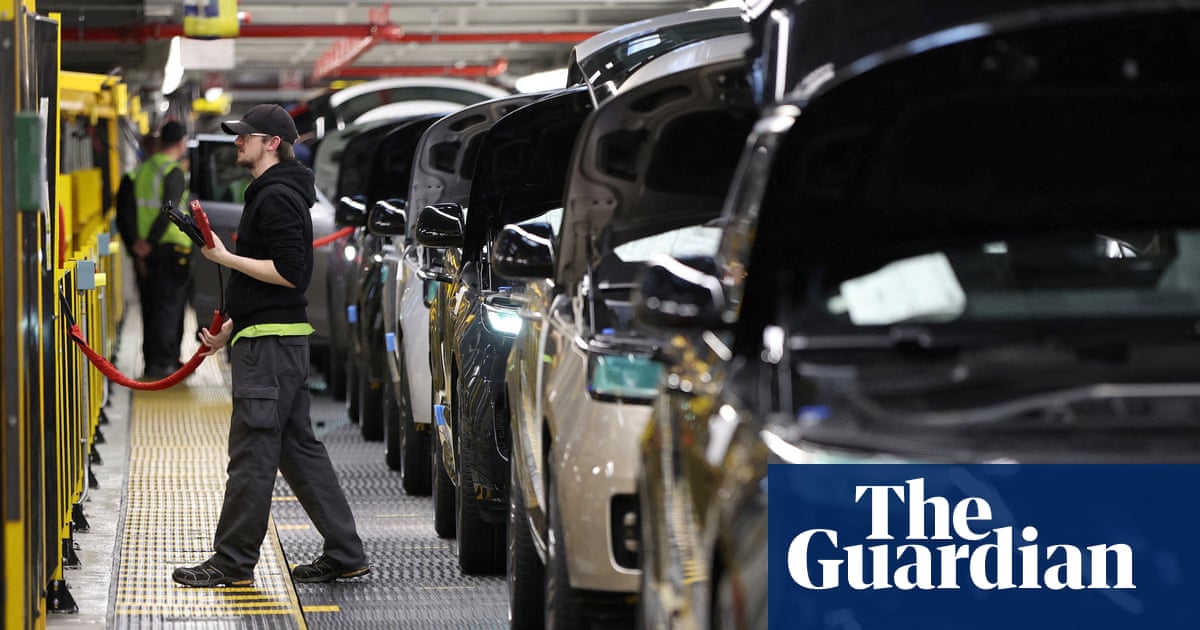
On Tuesday, September 2, 2026, Jaguar Land Rover (JLR) unveiled the Range Rover Electric, a luxury SUV starting at £154,070, framing the launch as the culmination of a decade of engineering. By Friday, September 5, the company had notified staff and union partners that it is opening a voluntary redundancy programme for salaried and management team members.
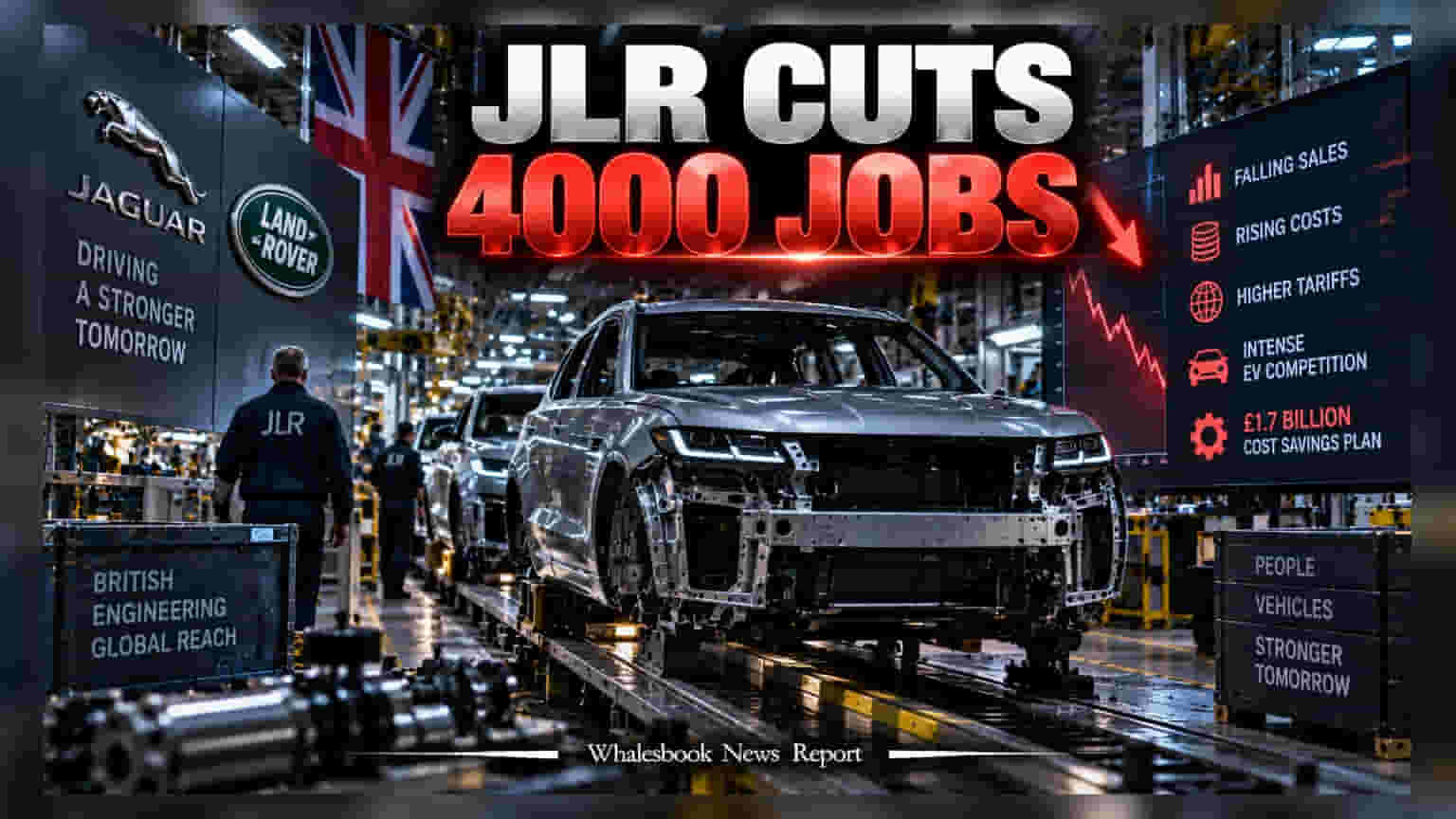
The luxury carmaker is targeting approximately £1.7bn in savings over the next two years. While JLR has not officially confirmed the total number of redundancies, reports from the Sunday Times indicate that as many as 4,000 positions could be cut. This move represents a significant escalation in cost-cutting, following the elimination of around 300 roles in July.
Related YouTube video

Financial instability and the 'Break-Even' target
The urgency for redundancies is driven by a sharp contraction in profitability. For the quarter ending June 30, 2026, Whalesbook reports that JLR's revenue declined 9.6% year-on-year to £6bn, while pre-tax profits dropped 68.9% to £109m. The company's adjusted EBIT margin slipped from 4% to 2.8%.
There is a discrepancy in reported profit figures: The Guardian reports a profit before tax of just £14m, down from £2.5bn the previous year, while both Whalesbook and Yahoo Finance cite a figure of £109m for the same period.
To stabilize the business against fluctuating demand, JLR is attempting to shift its internal financial mechanism. A company spokesperson stated the goal is to reduce break-evens to 300,000 vehicles
, effectively lowering the minimum number of cars the company must sell to cover its operating costs.
| Metric | Current/Recent Figure | Impact/Context |
|---|---|---|
| Revenue (June Qtr) | £6 billion | 9.6% year-on-year decline |
| Pre-tax Profit (June Qtr) | £109 million / £14 million | Reports vary; sharp drop from £2.5bn |
| Adjusted EBIT Margin | 2.8% | Down from 4% |
| North American Market Share | 29% of sales | JLR's largest global market |
| Break-even Target | 300,000 vehicles | Strategic goal to increase resilience |
The 'Perfect Storm' of external shocks
The financial slump is the result of several concurrent crises. A major cyber-attack last year forced a production shutdown lasting more than a month. According to The Guardian, this led to a 27% drop in overall production and cost the company approximately £200m, though Yahoo Finance reports estimates as high as £1.9bn.
Trade policy in the US has further squeezed margins. While Donald Trump initially raised tariffs to 25% before agreeing to a 10% rate for the UK, the cost remains a burden on the carmaker's primary market. This trade friction, combined with competition from lower-priced Chinese EV brands and slower-than-expected global EV adoption, has led to a decline in retail and wholesale volumes by approximately 70,000 and 90,000 units respectively.
Sharon Graham, general secretary of the Unite union, described the situation as a perfect storm
and characterized the ongoing losses in the automotive industry as death by a thousand cuts
.
The EV Paradox: Investment vs. Retrenchment
JLR finds itself in a contradictory position: aggressively investing in a "House of Brands" transition while simultaneously cutting the workforce required to sustain it. At the Solihull Lode Lane plant, 9,000 employees were upskilled to produce the new Range Rover Electric motor, with another 1,500 workers in Wolverhampton trained for battery and drive unit production.
However, the transition is uneven. JLR recently paused the redesign of its best-selling Defender for two years. This means the all-electric version of the Defender will not be available until the 2030s, creating a gap in the company's electrification timeline just as it attempts to appeal to climate-conscious luxury buyers.
Regional and political stakes
The redundancies threaten a regional economic ecosystem in the West Midlands. JLR employs over 30,000 people in the UK, with major sites in Solihull, Wolverhampton, Merseyside, and headquarters in Coventry. The manufacturer also supports a wider supply chain of 120,000 British jobs.
The cuts clash with the political agenda of Prime Minister Andy Burnham, who has pledged to reindustrialise Britain and safeguard sovereign manufacturing
. The government had previously provided a £1.5bn loan guarantee to JLR following the cyber-attack. In response to the news, West Midlands Mayor Richard Parker is reportedly working on a support package for impacted workers.
Paulette Hamilton, MP for Erdington, whose constituency includes the Castle Bromwich plant, stated it is not yet clear where the job losses will fall or how they will affect specific sites. She emphasized that workers deserve certainty, support and a strong future
.
The immediate focus now turns to a meeting scheduled for next week between JLR chief executive PB Balaji, Unite leader Sharon Graham, and Business Secretary Jonathan Reynolds to discuss the mitigation of these losses.
Industry-wide contraction and operational scale
The instability at JLR mirrors a broader downturn in the global automotive sector. According to Yahoo Finance, Volkswagen confirmed plans this week to cut 50,000 jobs, the largest cost-cutting programme in the German company's 89-year history. Birmingham Mail reports that Volkswagen—which includes the Audi, Porsche, and Skoda brands—has announced a total of 100,000 job cuts this year, citing fierce competition from Chinese manufacturers.
For JLR, the scale of the proposed cuts is substantial. The company is set to lose around 10 per cent of its 40,000-strong workforce, with 30,000 of those positions located in the UK.
This geographical distribution complicates the redundancy process. While the company has requested voluntary departures from management and salaried staff, it remains unclear how these losses will be distributed across the different sites. Paulette Hamilton, MP for Erdington, noted that the implications for the Castle Bromwich site specifically have not yet been clarified.
The company's parent, Tata Motors, has reportedly pressured JLR leadership to secure these savings following the profit plunge. The manufacturer is now balancing the loss of personnel against a massive upskilling effort, having already trained 9,000 employees in Solihull and 1,500 in Wolverhampton for electrification. The redundancy programme is set to be formally announced on Monday, September 7.
The next step in the process involves the scheduled meeting between CEO PB Balaji, Business Secretary Jonathan Reynolds, and Sharon Graham to discuss mitigating the losses.
Archypedia is dedicated to independent, evidence-backed reporting. This briefing was synthesized from primary source reporting, corroborated across independent newsrooms, and verified against our Editorial Standards.
Transparency record
Evidence behind this report
This report synthesizes 4 distinct sources. Open the source ledger below to compare the underlying coverage.
Prepared under the Archypedia Editorial Policy by the Elena Voss editorial desk profile. AI-assisted tools may support drafting and verification; public accountability remains with Archypedia. Report an error.