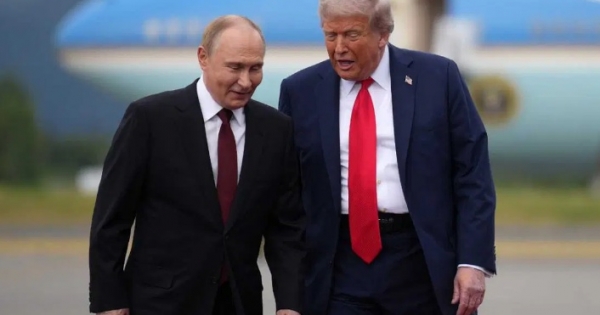
Trump envoys discuss Ukraine peace plans with Putin in Moscow
U.S. negotiators traveled from Moscow to Kyiv to synchronize peace proposals as Russian strikes killed civilians in the Dnipro and Kharkiv regions.
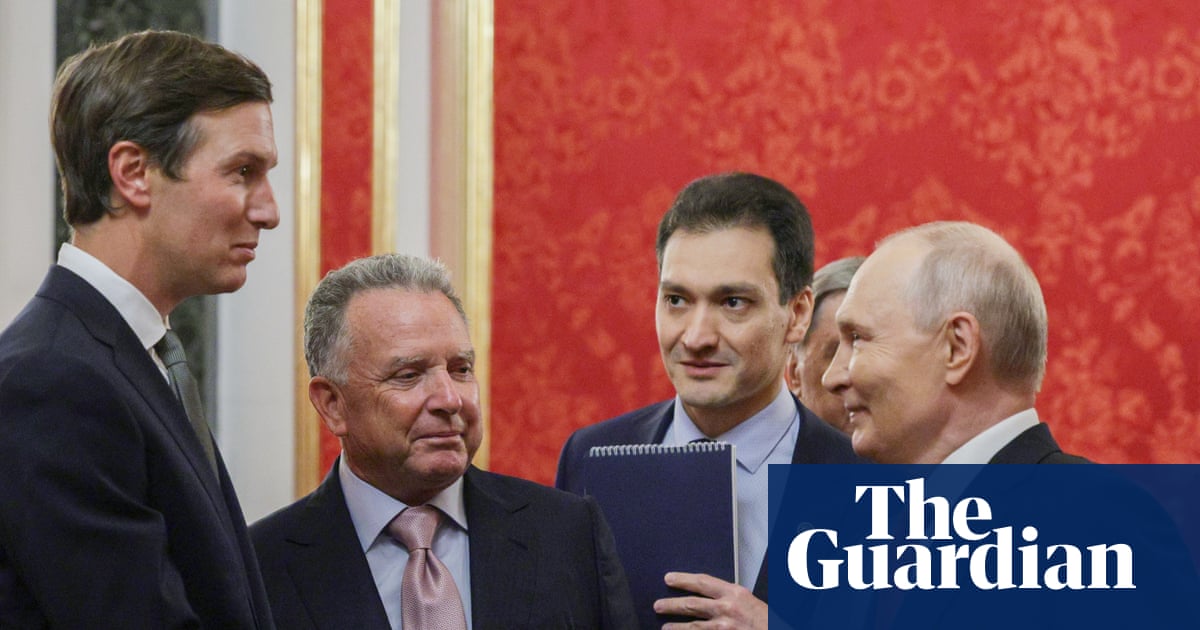
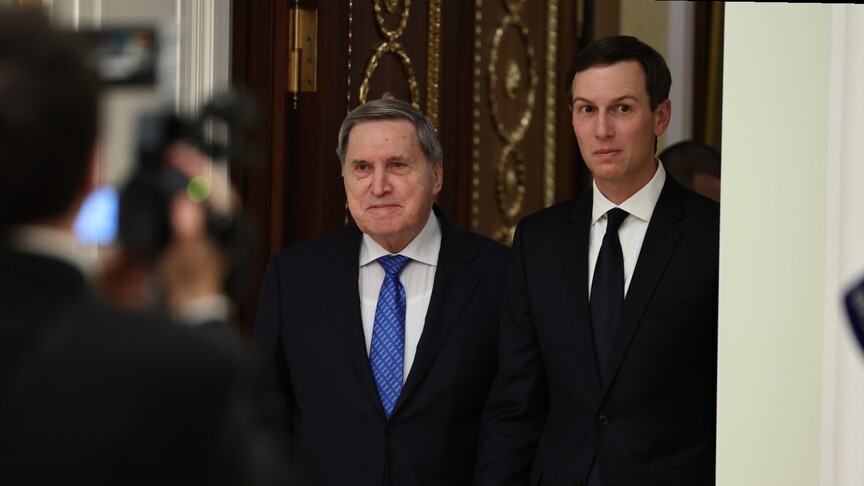
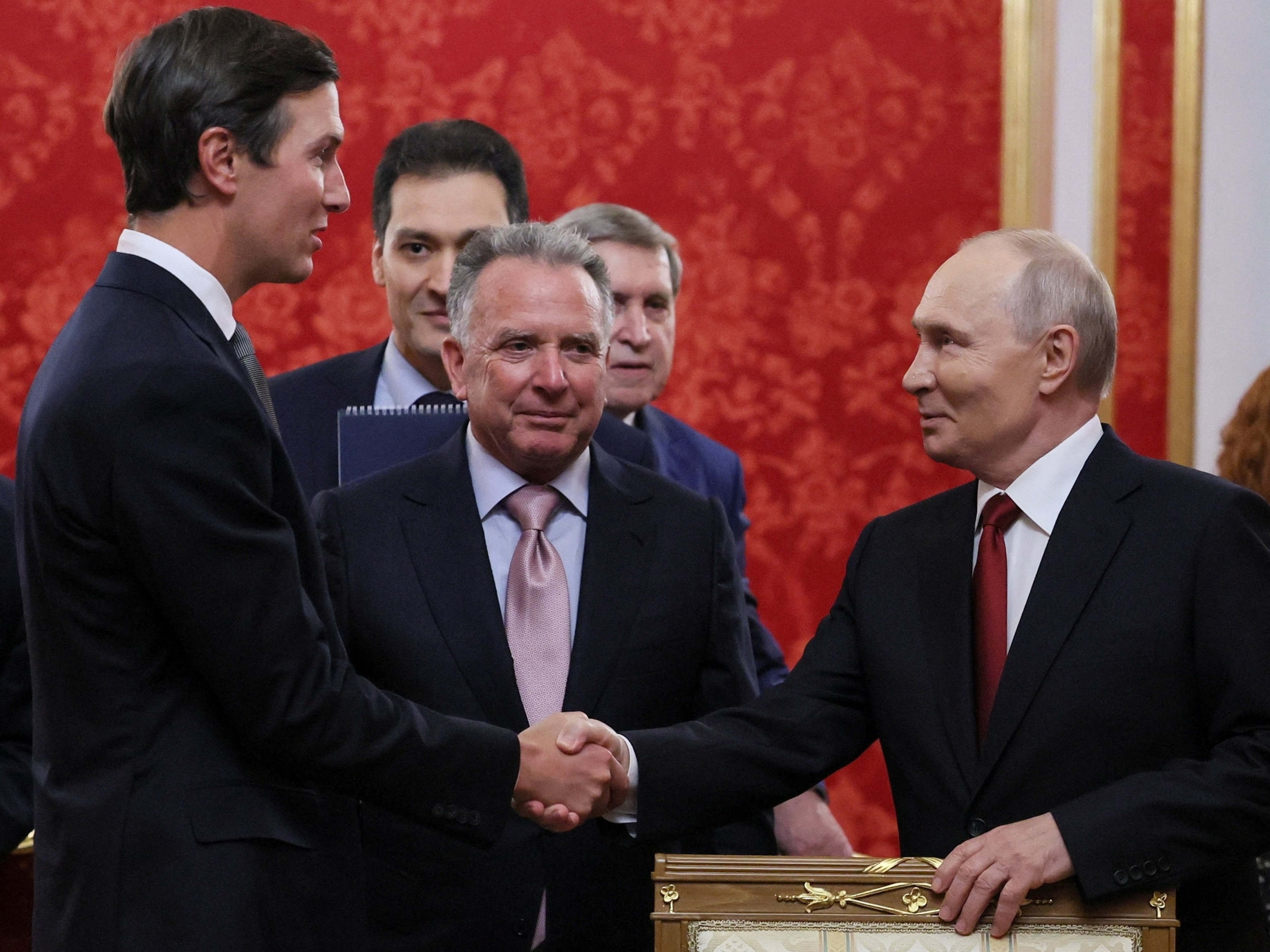
Inside the grand halls of the Kremlin on Saturday, September 5, 2026, Vladimir Putin welcomed U.S. Envoys Steve Witkoff and Jared Kushner for a meeting described by the White House as a discussion of substantive plans
to end the war in Ukraine. The three-hour session was characterized by Russian officials as constructive and frank, with Putin praising Donald Trump for his continued efforts to bring about a settlement despite the not simple
nature of the conflict.
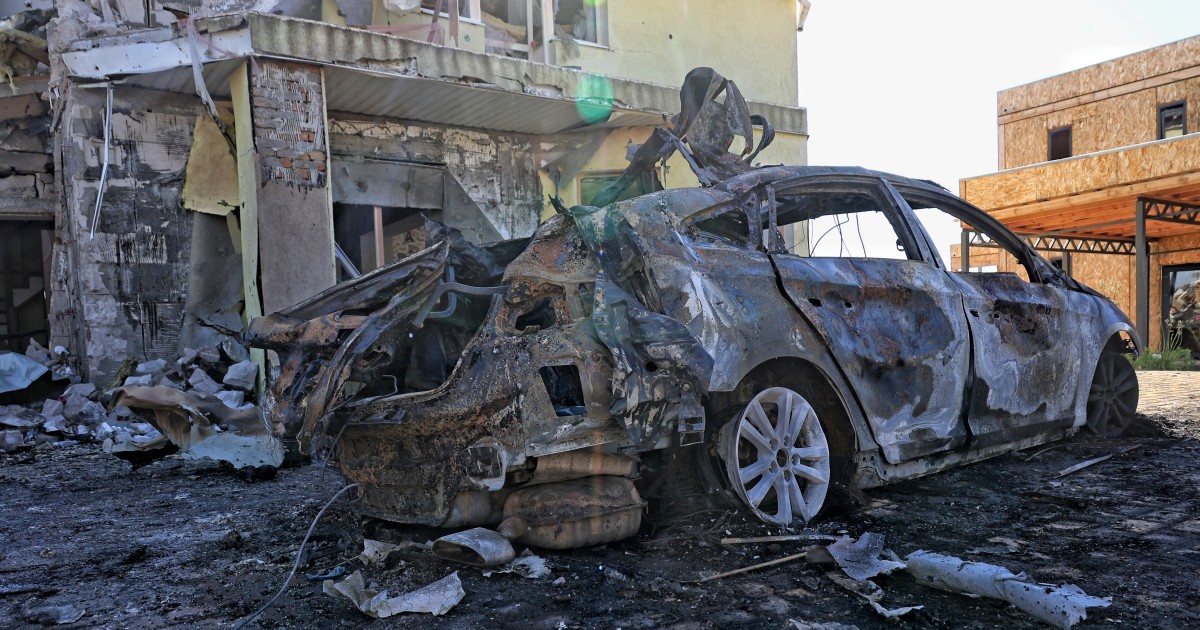
Outside the Kremlin walls, the reality remained violent. On the same day as the diplomatic talks, Russian strikes in the Dnipro region killed five people at a factory—including a locksmith, a plumber, an electrician, and a machinist—whom local military administration head Oleksandr Hanzha described as people of peaceful professions
who were simply working their shifts. In the Kharkiv region, a drone strike on a residential building in Chuhuiv killed a 45-year-old man, a 19-year-old woman, and an 11-year-old boy.
Related YouTube video
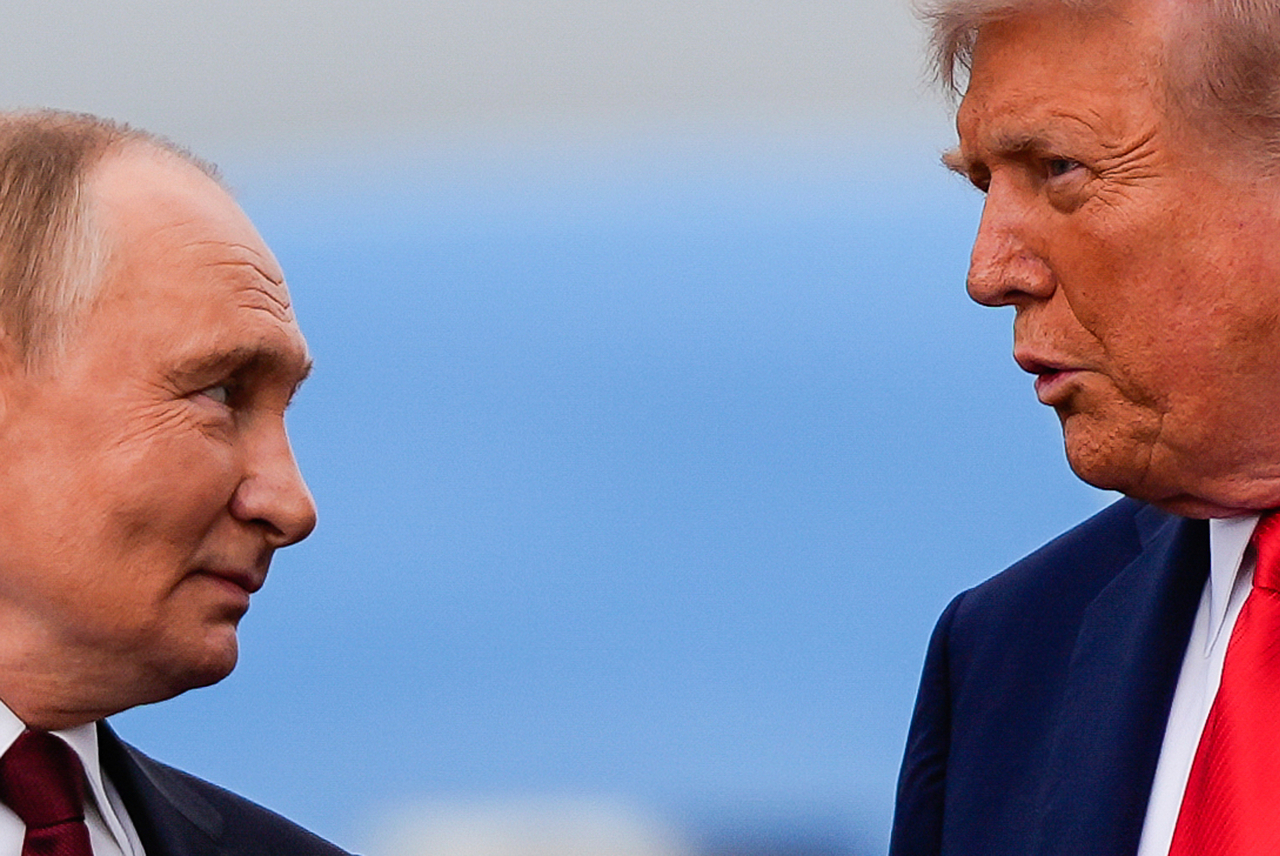
The Moscow Summit and Economic Incentives
The meeting involved a delegation that extended beyond Steve Witkoff and Jared Kushner to include officials from the Treasury Department, State Department, and the National Security Council. According to NBC News, the talks lasted more than three hours. At the start of the session, Putin requested that the envoys convey his gratitude and best wishes to Donald Trump.
While the primary objective was the conflict in Ukraine, the scope of the dialogue was unexpectedly broad. Yuri Ushakov, a foreign policy adviser to Putin, told journalists that the conversation was not exclusively focused on the invasion. He noted that the two sides discussed economic issues and potentially large, mutually beneficial joint projects for Russia and America
in considerable detail.
The U.S. Delegation also used the meeting to thank Putin for the release of Robert Gilman, a former U.S. Marine who had been held in Russian custody until last month, according to reports from Aol.
Territorial Demands vs. Peace Proposals
Despite the optimistic tone of the White House, a profound divide persists regarding the terms of any potential peace. The Kremlin explicitly stated on Friday that its position remains unwavering
: Ukraine must cede four regions claimed by Russia and abandon its aspirations to join NATO. Ukraine has rejected these terms as equivalent to unconditional surrender.
The U.S. Envoys presented a number of ideas on possible routes to a settlement
, as described by Ushakov. However, Putin remained confident in Russia's military trajectory, claiming that Russian forces are making real progress
on the battlefield and expressing certainty that Moscow can seize the remainder of eastern Ukraine.
| Stakeholder | Stated Position / Objective | Current Status |
|---|---|---|
| United States | End the war via "substantive plans" and a new proposal from Trump. | Shuttling between Moscow and Kyiv. |
| Russia | Cession of four regions; Ukraine must not join NATO. | Claims confidence in seizing eastern Ukraine. |
| Ukraine | Rejects territorial surrender; seeks peace without unconditional surrender. | Responding to strikes on critical infrastructure. |
The 'Airport Reaction' and a Fragile Truce
The diplomacy was shadowed by a precarious security agreement. Putin ordered that no strikes be carried out against Kyiv for three days starting midnight Saturday, while President Volodymyr Zelenskyy agreed to halt strikes on Moscow until Monday. This arrangement, however, did not extend to a general ceasefire.
Zelenskyy highlighted the fragility of this truce by pointing to Russian attacks on Kyiv and Boryspil international airports. He claimed these strikes were clearly
a reaction to the prospect of U.S. Negotiators flying into the Ukrainian capital. Zelenskyy noted that because of these moves, Ukraine would adjust our operation accordingly regarding Russian airspace
the following week, citing the presence of Ukrainian drones and missiles in the sky.
The tension is compounded by a grinding stalemate along the 1,250-kilometer frontline. While ground movements have been limited, both nations have escalated long-range aerial campaigns. Ukraine has targeted Russian oil refineries and e-commerce warehouses to degrade the economy, while Russia has targeted the headquarters of Ukraine’s SBU security service and regional metallurgical plants in the Dnipro region.
Kyiv Transit and Next Steps
Following the Moscow meeting, Witkoff and Kushner departed immediately for Kyiv. This visit marks the first time either envoy has visited the Ukrainian capital since the war began in 2022. Most foreign officials have previously entered Ukraine by train due to the closure of Ukrainian airspace.
The transition from Moscow to Kyiv is intended to synchronize the observations and assessments
provided by Putin with the needs and positions of the Ukrainian government. This diplomatic movement follows a period of diminished momentum in peace efforts, as U.S. Attention was diverted toward a conflict with Iran over the last six months.
The White House has indicated that the specific next steps
resulting from these high-level discussions are not yet ready for public disclosure but will be announced in the coming weeks.
Archypedia is dedicated to independent, evidence-backed reporting. This briefing was synthesized from primary source reporting, corroborated across independent newsrooms, and verified against our Editorial Standards.
Transparency record
Evidence behind this report
This report synthesizes 6 distinct sources. Open the source ledger below to compare the underlying coverage.
Prepared under the Archypedia Editorial Policy by the Samir Haddad editorial desk profile. AI-assisted tools may support drafting and verification; public accountability remains with Archypedia. Report an error.