Trump administration imposes four-year limit on international student visas
New DHS regulations impose a four-year limit on student visas and shorter stays for international media, shifting extension authority to the federal government.
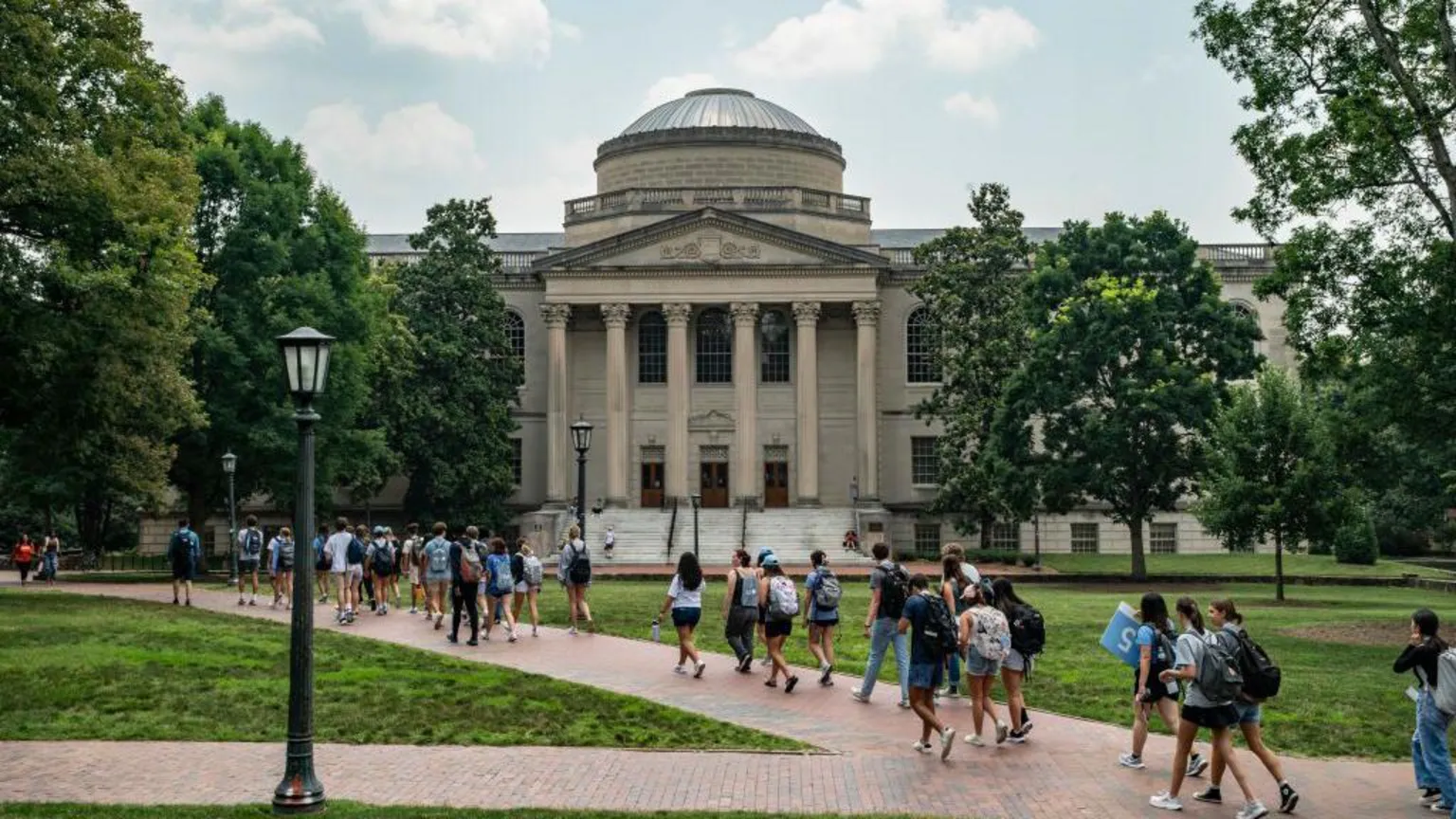
The Trump administration has finalized a rule that ends the long-standing practice of allowing international students to remain in the United States for the full duration of their academic programs. Under the new regulations issued by the Department of Homeland Security (DHS), most international students and cultural exchange visitors will now be capped at a maximum stay of four years unless they obtain federal permission to extend.
The policy, which is scheduled to take effect in September, shifts the authority for visa extensions away from higher education institutions and places it under federal control. It also introduces strict limits on the ability of students to change their academic programs or transfer between colleges and universities. Specifically, the rule prohibits graduate students from transferring schools or altering their educational objectives
without official authorization, according to Arise.
Related media


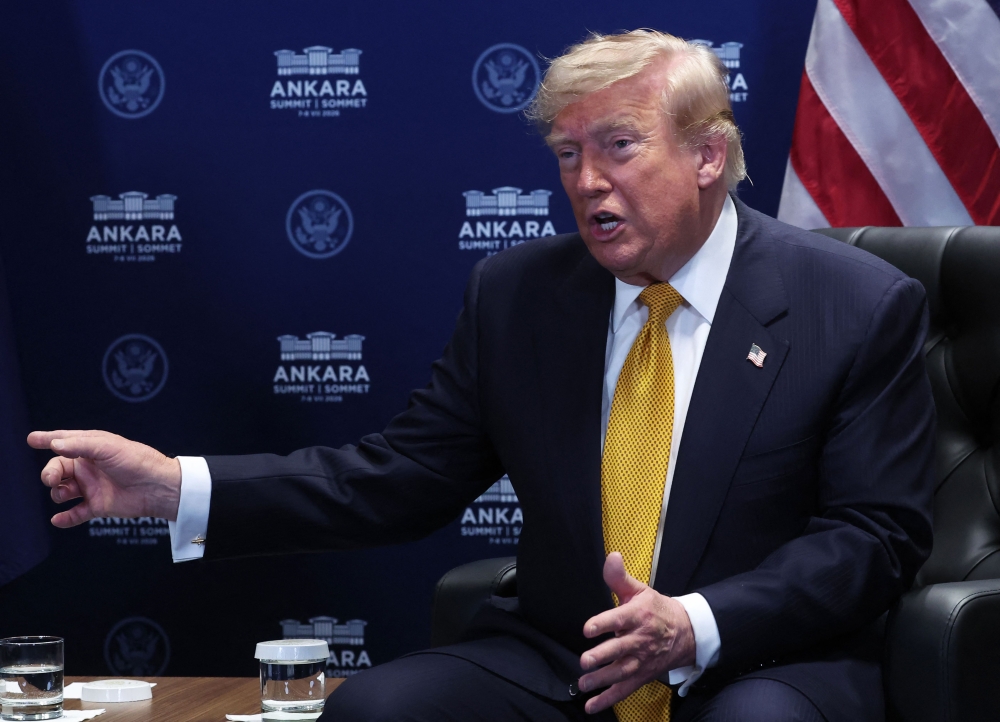
DHS Secretary Markwayne Mullin defended the crackdown as a necessary measure to close a loophole.
"For decades, foreign students have been admitted into the US indefinitely, allowing thousands to abuse our immigration system by perpetually enrolling in courses to avoid having to leave the US."
Markwayne Mullin, DHS Secretary, via Myjoyonline
The administration claims the open-ended system, which had been in place since the late 1970s, undermined the government's ability to monitor non-immigrants. DHS cited data showing that more than 2,100 individuals who first entered as students between 2000 and 2010 still maintained student status this year, as reported by Thenews. By implementing finite limits, Mullin stated the U.S. Is reclaiming its ability to properly screen and vet individuals to ensure students remain focused on their studies and return home.
Impact on Higher Education and Research
The four-year cap presents a significant challenge for graduate-level programs, such as doctorates, which typically require more than four years to complete and publish research. According to Myjoyonline, these students—particularly those in science and technology—often face funding shortfalls or personal circumstances that lengthen their study periods.
Academic and immigration advocates have condemned the move. Fanta Aw, CEO of NAFSA, described the policy as a solution in search of a problem
that injects uncertainty, bureaucracy, and fear
into the system. Zuzana Wootson of the Presidents’ Alliance on Higher Education and Immigration called the action unnecessary and duplicative
, arguing that international students are already among the most closely monitored populations in the U.S.
University leaders warn that the rules could drive talent away from the U.S. At a time when global competition for scholars is intensifying. Dailynews reports that international enrollment is already declining, hitting schools with small endowments the hardest since these students often pay full-price tuition and are ineligible for federal financial aid.
Restrictions on Journalists and Media
The DHS rule extends beyond students, introducing fixed-term visas for members of the media. Most foreign journalists will now be limited to stays of 240 days, though they may apply for extensions of a similar length. Chinese nationals face even stricter limits, with visas capped at 90 days and extensions limited to another 90 days, according to Malaymail.
The DHS rejected requests from stakeholders, including the Embassy of Japan, to allow admission periods of two to five years for correspondents. Media rights organizations have reacted with outrage. Reporters Without Borders stated that the change destroys the ability of international journalists to report from the U.S., while the Committee to Protect Journalists characterized the move as the behavior of a backsliding democracy
.
Comparison of New Visa Limits
| Visa Category | New Maximum Duration | Notes |
|---|---|---|
| International Students (F) / Exchange (J) | 4 Years | Requires federal permission for extensions |
| Foreign Journalists (I) | 240 Days | General limit; extensions possible |
| Chinese Journalists (I) | 90 Days | Extensions limited to 90 days |
Timeline of Changes and Legal Risks
- August 2025: DHS proposes the student and journalist rules, receiving nearly 22,000 public comments.
- Spring 2026: Widespread terminations of legal status leave some students fearing detention.
- July 2026: The administration finalizes the rule, maintaining most original proposals.
- September 2026: Expected implementation date for the new visa limits.
Beyond the duration of stay, the government has halved the grace period for students leaving the country or switching visa categories, reducing it from 60 days to 30 days. David Bier of the Cato Institute warned that this 30-day window is an unrealistic deadline for graduates to secure employment sponsorship, potentially turning legal residents into illegal immigrants
overnight.
The new rules are part of a broader immigration strategy that includes the revocation of visas for students critical of U.S. Foreign policy and the requirement for visa applicants to share social media handles. The final rule remains subject to review by the Republican-led Congress.
Archypedia is dedicated to independent, evidence-backed reporting. This briefing was synthesized from primary source reporting, corroborated across independent newsrooms, and verified against our Editorial Standards.
Transparency record
Evidence behind this report
This report synthesizes 5 distinct sources. Open the source ledger below to compare the underlying coverage.
Prepared under the Archypedia Editorial Policy by the Samir Haddad editorial desk profile. AI-assisted tools may support drafting and verification; public accountability remains with Archypedia. Report an error.