US imposes fixed duration limits on foreign student and journalist visas
New Department of Homeland Security regulations impose strict time limits on F-1, J-1, and I-class visas to increase federal oversight of non-immigrant visitors.
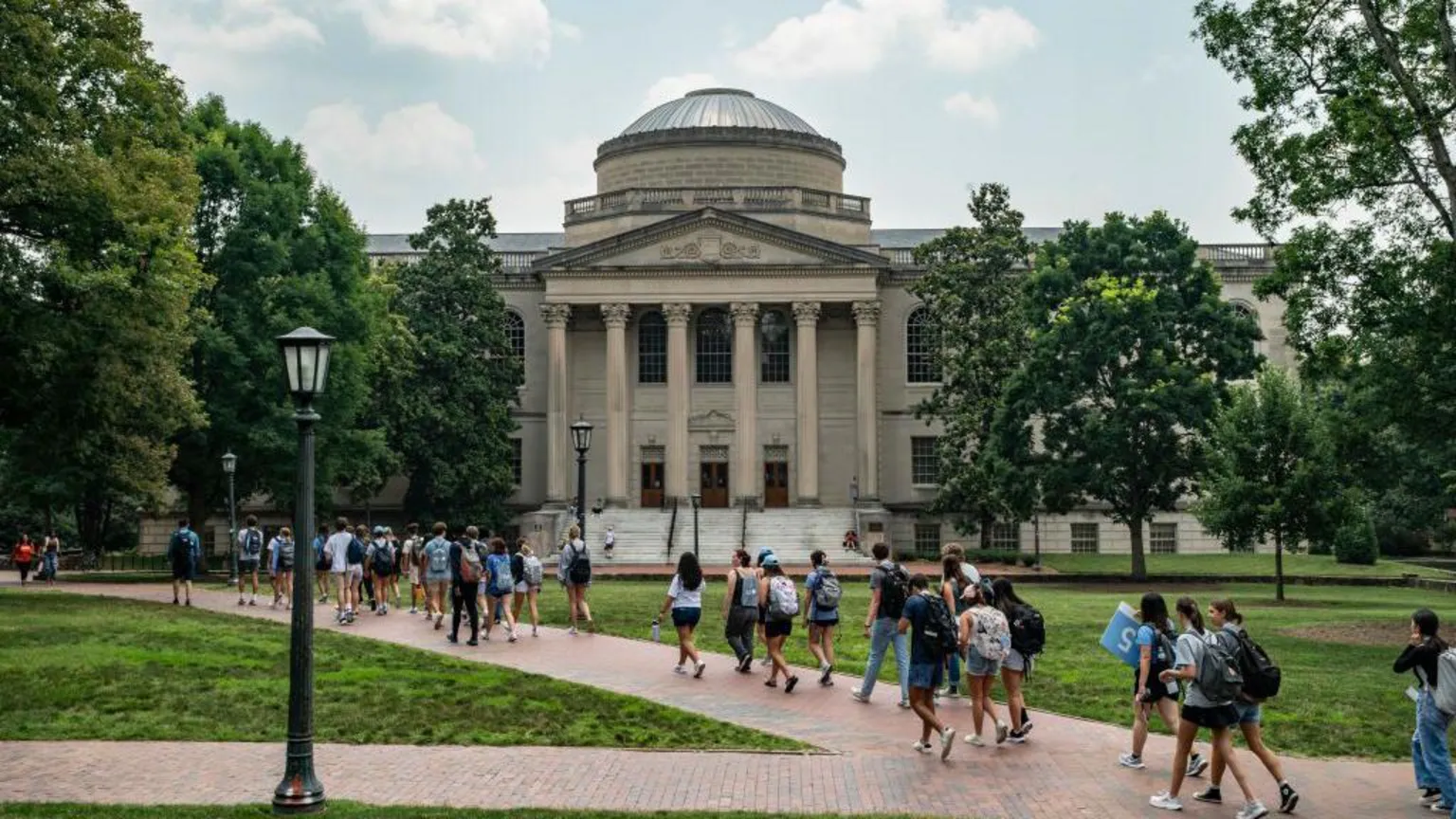
The United States government moved on Thursday, July 16, 2026, to overhaul the nation's visa framework for international students, exchange visitors, and media representatives. The Department of Homeland Security issued a final rule that replaces the long-standing "duration of status" policy with fixed periods of admission, a shift intended to increase federal oversight of non-immigrant visitors.
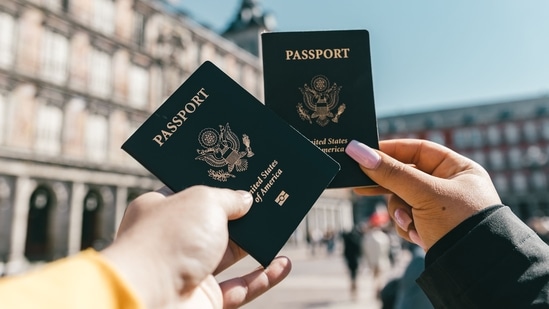
Under the existing system, individuals on F-1 student visas, J-1 exchange visitor visas, and I-class media visas were generally permitted to remain in the country for the entire length of their academic programs or professional assignments. The new regulation mandates that these visa holders will now receive a specific expiration date upon entry. The rule is slated to take effect 60 days after its publication in the Federal Register, pending a period of congressional review.
Related media

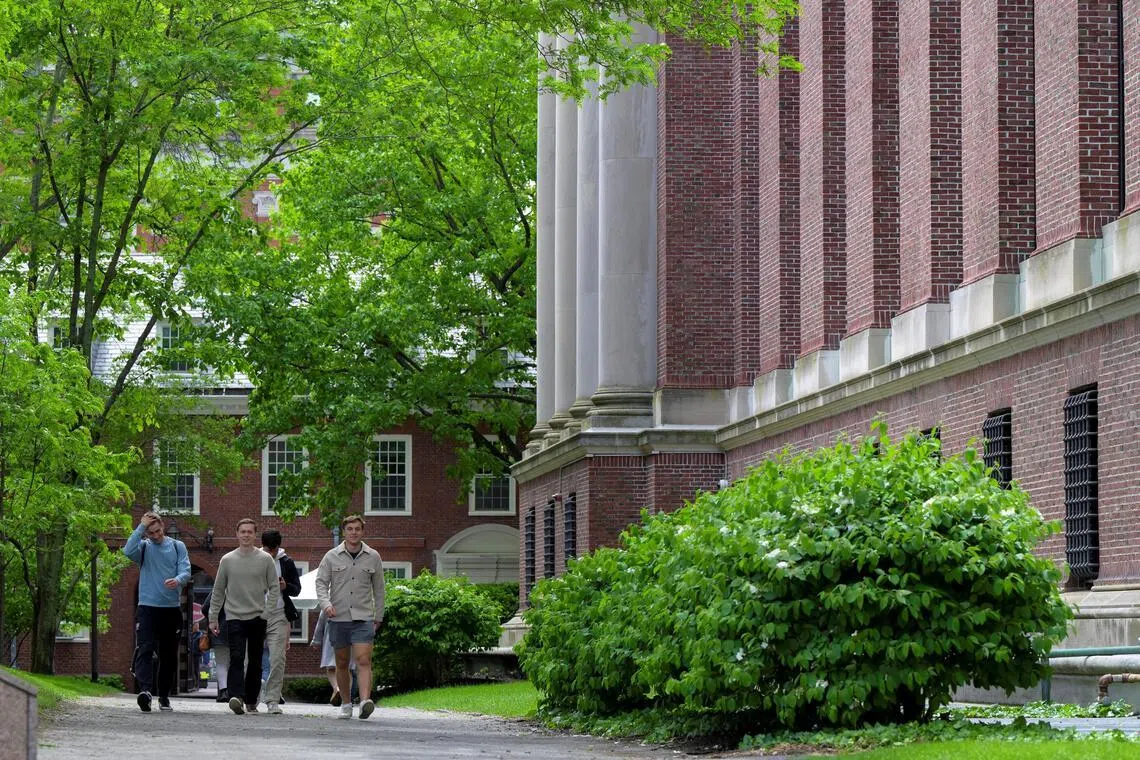
The administration framed the changes as a necessary measure to combat potential fraud and address what officials describe as an outdated oversight model. According to the Department of Homeland Security, the volume of these visa admissions has grown significantly in recent years, with more than 1.8 million student visa admissions recorded in 2024—an increase of more than 11 percent over the previous year. During the 2024 fiscal year, which began on October 1, 2023, the U.S. Also granted visas to more than 500,000 exchange visitors and 37,300 members of the media.
"For decades, foreign students have been admitted into the U.S. indefinitely, allowing thousands to abuse our immigration system by perpetually enrolling in courses to avoid having to leave the U.S.," Department of Homeland Security Secretary Markwayne Mullin said in a statement.
New Constraints by Category
The final rule establishes distinct time ceilings for different visa classes:
- F-1 and J-1 Visas: Students and exchange visitors will generally be limited to a four-year stay per admission.
- I Visas (Journalists): Admission for foreign media representatives is now capped at 240 days.
- Chinese Nationals: Journalists holding citizenship from China face a further restriction, with their visa period limited to 90 days.
The regulation also institutes stricter operational requirements. Graduate students are prohibited from changing their "educational objectives" at any point or from transferring to another school without authorization. Additionally, the grace period for students to remain in the U.S. Following the completion of their degree or training has been reduced from 60 days to 30 days. To remain in the country beyond the newly fixed expiration dates, individuals must either file for an extension or depart the country and seek readmission.
Industry and Expert Response
The policy has drawn sharp criticism from academic and immigration advocacy organizations.
"International students, many of whom will have spent years in the USA, will now have just 30 days to find an employer to sponsor them or immediately be turned into illegal immigrants. Have these people no understanding of how life works?"
David J. Bier, immigration studies director at the Cato Institute, via Aol
Former Department of Homeland Security official Doug Rand stated that the rule undermines the value of welcoming international students by replacing existing oversight with "needless red tape."
What to Watch Next
- Congressional Review: The rule must complete a mandatory congressional review period before the 60-day countdown to full implementation begins.
- Diplomatic Repercussions: The treatment of Chinese journalists remains a point of international friction; China’s foreign ministry previously characterized the proposed 90-day limit as discriminatory.
The administration maintains that these moves are essential to reclaim the government's ability to screen and monitor non-immigrants effectively.
Archypedia is dedicated to independent, evidence-backed reporting. This briefing was synthesized from primary source reporting, corroborated across independent newsrooms, and verified against our Editorial Standards.
Transparency record
Evidence behind this report
This report synthesizes 11 distinct sources. Open the source ledger below to compare the underlying coverage.
- newsweek.com
- aol.com
- yahoo.com
- usatoday.com
- hindustantimes.com
- straitstimes.com
- aljazeera.com
- visaverge.com
- ivisa.com
- punchng.com
- scmp.com
Prepared under the Archypedia Editorial Policy by the Samir Haddad editorial desk profile. AI-assisted tools may support drafting and verification; public accountability remains with Archypedia. Report an error.