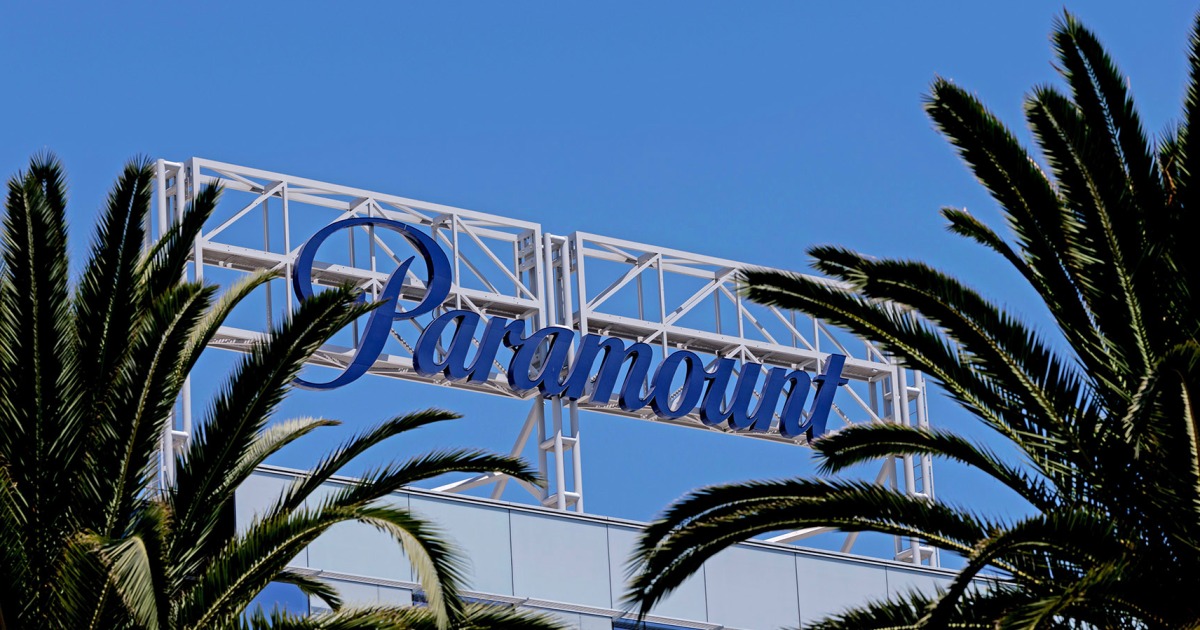
UK Government Minded to Intervene in Paramount’s Warner Bros Discovery Deal
Culture Secretary Lisa Nandy has signaled a potential intervention in the merger, citing concerns regarding media diversity in the UK. Regulators may now investigate the transaction or require remedies such as asset divestment.

The United Kingdom government has signaled its intent to challenge the proposed $110 billion acquisition of Warner Bros. Discovery by Paramount Skydance, marking a significant regulatory hurdle for one of the largest media consolidation efforts in recent years. On Tuesday, 30 June 2026, UK Secretary of State for Culture, Media and Sport Lisa Nandy announced that she is “minded to intervene” in the transaction, citing public interest concerns regarding the concentration of media ownership.
This development comes as the global merger has already secured regulatory approval in several major jurisdictions, including the United States, China, Australia, France, Germany, and Saudi Arabia. Despite the clearance granted by the U.S. Department of Justice earlier in June — which did not mandate the sale of assets or other concessions — the UK’s stance positions the country as a critical friction point for the deal's timeline.
Related media

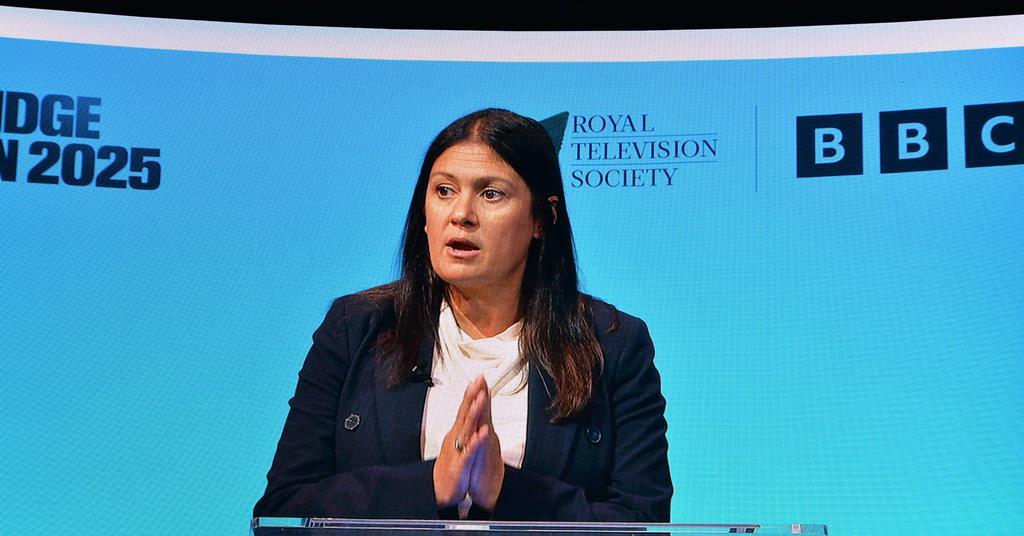

Nandy identified two primary public interest grounds for her potential intervention. First, the need to maintain a sufficient plurality of views in news media
across British markets. Second, the requirement to ensure a sufficient plurality of persons with control of the media enterprises
that serve diverse audiences in the UK, a category she specifically expanded to include on-demand programming services.
The combined entity would command a massive footprint in the British market, encompassing properties such as Channel 5, TNT Sports, Cartoon Network, Nickelodeon, and CNN International, alongside the streaming platforms Paramount+ and HBO Max. According to Nandy, these services are essential to the nation’s media landscape. I am conscious that the proposed acquisition is global in nature. In reaching this decision, my focus has been, and will remain, on the UK public interest and the range of services available to UK audiences,
Nandy stated via The Guardian.
In response to the announcement, a Paramount spokesperson maintained that the company remains confident in the transaction. We are grateful for the continued constructive engagement with all interested government bodies and relevant authorities, including in the UK. We are confident that our proposed transaction does not pose any media plurality issues in the UK and remain confident in our stated transaction timeline,
the spokesperson said as reported by The Hollywood Reporter.
What Happens Next
The government has established a structured process for the companies to address these concerns:
- July 6, 2026: The deadline for Paramount and Warner Bros. Discovery to formally respond to the Culture Secretary’s concerns.
- Regulatory Assessment: Following an intervention, the communications regulator Ofcom and the Competition and Markets Authority (CMA) would be tasked with assessing the merger's impact. These bodies would have up to 40 days to report their findings.
- Final Review: Based on these reports, the government may choose to clear the deal, negotiate legally binding remedies, such as the divestment of specific assets, or refer the matter for a more detailed investigation lasting up to 24 weeks.
This is not the first time the CMA has scrutinized major international media and technology deals. In 2023, the regulator initially blocked Microsoft’s $69 billion acquisition of Activision Blizzard, only to approve the transaction later after the companies agreed to behavioral remedies.
The regulatory scrutiny occurs against a backdrop of wider industry tension. In the U.S., a coalition of state attorneys general continues to investigate the merger, and critics have raised questions regarding the influence of major stakeholders. As noted in coverage by Broadcastnow, the UK government’s focus remains singular: the protection of local audiences and the preservation of media diversity in a rapidly consolidating global sector.
How significant is this development?
Contribute your assessment to the aggregated reader intelligence ledger.
Archypedia is dedicated to independent, evidence-backed reporting. This briefing was synthesized from primary source reporting, corroborated across independent newsrooms, and verified against our Editorial Standards.
Transparency record
Evidence behind this report
This report synthesizes 10 distinct sources. Open the source ledger below to compare the underlying coverage.
- parliamentnews.co.uk
- hollywoodreporter.com
- screendaily.com
- broadcastnow.co.uk
- kvia.com
- theguardian.com
- finance.yahoo.com
- indiatoday.in
- aol.com
- ca.finance.yahoo.com
Prepared under the Archypedia Editorial Policy by the Iris Kane editorial desk profile. AI-assisted tools may support drafting and verification; public accountability remains with Archypedia. Report an error.