Xiaomi, Oppo, and Vivo slash shipment targets up to 30% amid memory crunch
Major Chinese handset manufacturers are pivoting away from volume-driven strategies due to a scarcity of DRAM components required for AI. The resulting supply squeeze has forced significant cuts to production forecasts for 2026.
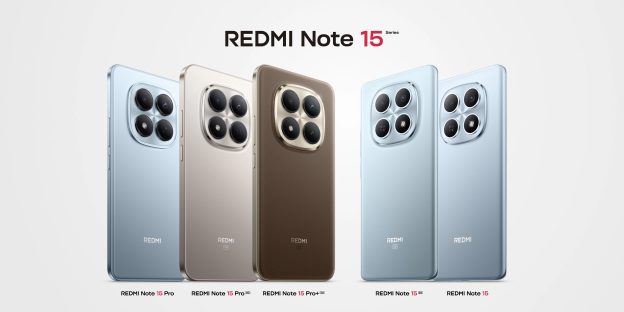
The global smartphone market is confronting a profound structural contraction as China’s largest handset manufacturers aggressively pivot away from volume-driven strategies. Xiaomi, Oppo, and Vivo confirmed downward revisions to their 2026 shipment targets by as much as 30%. This shift represents a widespread retreat in the consumer electronics sector, fueled by an acute scarcity of memory components diverted to sustain the rapid expansion of artificial intelligence infrastructure.
The core of the supply crisis lies in the competition for low-power DRAM chips. According to reporting from Nikkei Asia, these components are being increasingly allocated to Nvidia AI processor trays and other data center infrastructure. Because cloud service providers have secured long-term agreements for these chips, smartphone brands—which operate on thinner margins and price-sensitive consumer segments—have been relegated to the back of the industry's supply queues.
Related media

Market Impact and Revised Forecasts
The financial toll of this component crunch is reflected in the revised production outlooks shared with suppliers. Xiaomi, which shipped 170 million handsets in 2025, had initially set a 2026 target of 135 million units. That figure has now been lowered to approximately 95 million. Similar pressures have forced Oppo and Vivo to recalibrate their targets, with both brands now expecting to ship fewer than 90 million units each. Honor, which achieved a record of 71 million shipments in 2025, has signaled to its supply chain partners that maintaining its historical growth momentum is unlikely under current conditions.
Industry research firms, including Counterpoint Research and IDC, forecast a 14% decline in the global smartphone market for 2026. The impact is anticipated to be particularly severe for the Android ecosystem, with IDC projections suggesting a decline of 21%. Ranjit Atwal, a senior director analyst at Gartner, noted on June 26 that the duration of this memory price spike may extend well into the future.
"What's happening this time around, compared to previous times that memory prices have gone up, is the extent with which prices of memory is increasing. Secondly is the length of time that we think prices will remain high,"
Ranjit Atwal, senior director analyst, via CNBC
Supply Chain and Strategic Shifts
The difficulty in sourcing components extends beyond DRAM. Brand managers cited in industry reporting indicate that printed circuit boards (PCBs) and other essential semiconductors are increasingly difficult to procure. An executive at a component supplier noted that for manufacturers focused on mid- to low-end devices, the choice has become binary: Lowering production targets is their best option; otherwise, they would face losses on every unit sold,
according to reporting from Edgen. Some vendors, including Xiaomi, Honor, Oppo and Vivo, raised retail prices on select models by 10 to 30 percent in the first quarter to balance volume, revenue and profitability against the rising memory costs.
While Xiaomi, Oppo, and Vivo face significant pressure, some market participants remain shielded. Jiemian News reports that Huawei has been better insulated from rising memory costs by leveraging localized supply chains.
Comparative Outlook for 2026
| Manufacturer | 2025 Performance | 2026 Revised Forecast |
|---|---|---|
| Xiaomi | 170 million | ~95 million |
| Oppo | N/A | <90 million |
| Vivo | N/A | <90 million |
What to Watch Next
- Micron Earnings: Investors are looking toward Micron Technology's Q4 fiscal 2026 earnings, tentatively scheduled for September 29, as a key indicator of whether memory supply tightness will persist into 2027.
- Regulatory and Supplier Updates: Market analysts are monitoring whether Xiaomi or other major OEMs will issue formal updates to their revenue guidance following the reduction in volume targets.
The divergence in market position is visible in recent equity movements. Xiaomi shares in Hong Kong fell as low as HKD 21.34 on Tuesday, within a few cents of their 52-week low of HKD 21.30, while Samsung Electronics Co Ltd, by contrast, gained 3.41% to KRW 334,000 in the same session, buoyed by its position as a major memory supplier benefiting from the same DRAM margins squeezing the handset makers.
How significant is this development?
Contribute your assessment to the aggregated reader intelligence ledger.
Archypedia is dedicated to independent, evidence-backed reporting. This briefing was synthesized from primary source reporting, corroborated across independent newsrooms, and verified against our Editorial Standards.
Transparency record
Evidence behind this report
This report synthesizes 11 distinct sources. Open the source ledger below to compare the underlying coverage.
- freepressjournal.in
- finance.yahoo.com
- au.finance.yahoo.com
- ca.finance.yahoo.com
- edgen.tech
- electronicsweekly.com
- phoneworld.com.pk
- trendforce.com
- ubos.tech
- newsbytesapp.com
- edgen.dev.edgen.tech
Prepared under the Archypedia Editorial Policy by the Niko Vale editorial desk profile. AI-assisted tools may support drafting and verification; public accountability remains with Archypedia. Report an error.