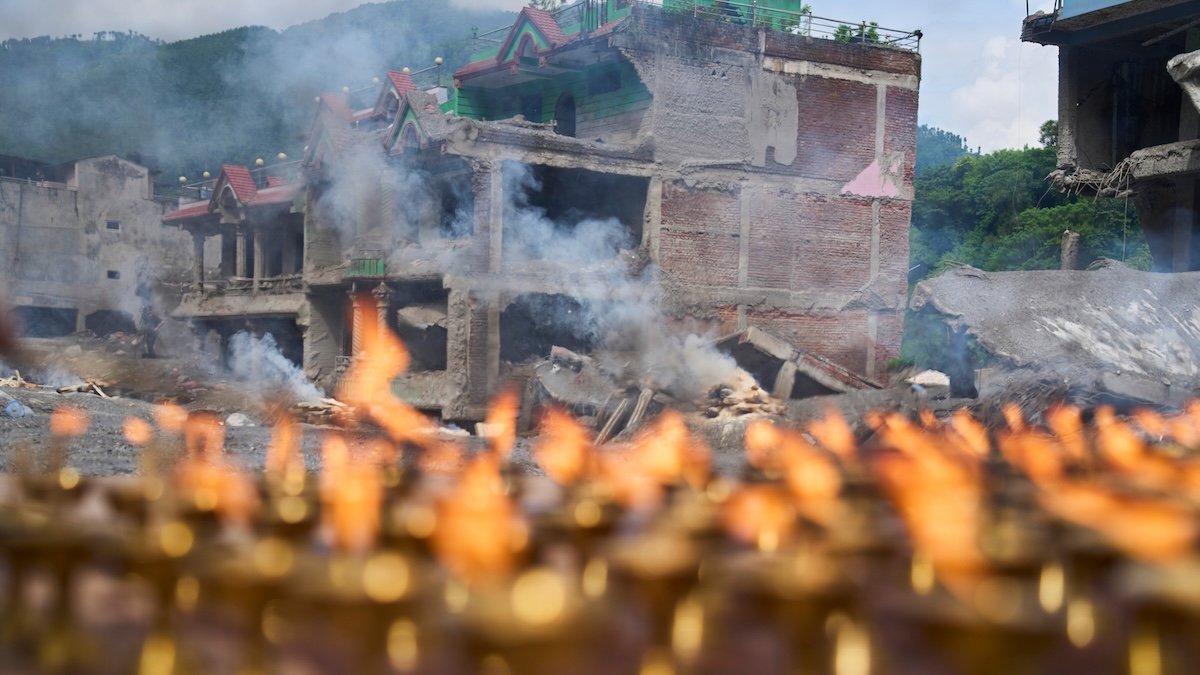
Nepal observes day of mourning as flood death toll tops 1,300
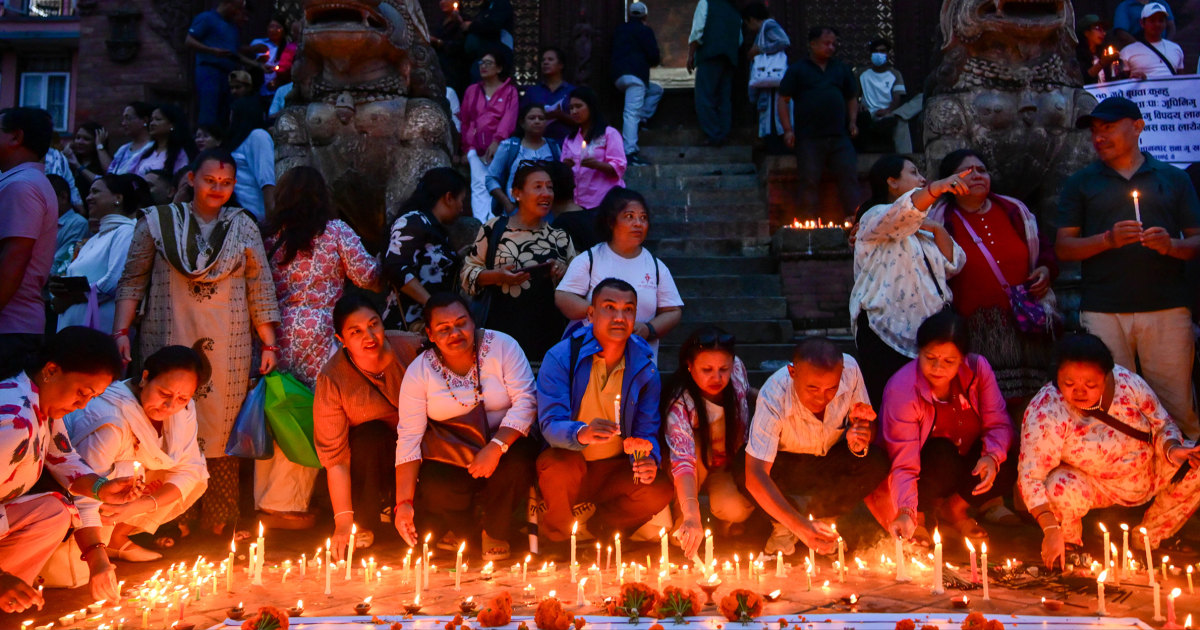
KATHMANDU — Families of the missing in Nepal performed symbolic cremations on Monday, September 7, 2026, to provide spiritual release for loved ones they believe are dead, even as rescue teams pulled three survivors from hydropower tunnels just days prior.
Monday marked the 13th day since the August 26 glacial and mountain collapse on the China-Nepal border. In predominantly Hindu Nepal, the mourning period lasts 13 days, concluding with rituals to pray for the souls of the departed. For those whose relatives remain missing, performing these rites is a spiritual necessity, yet the recent recovery of two Nepalese workers on Friday and a Chinese man on Saturday has kept hope alive for others.
Ritual Release and the Missing
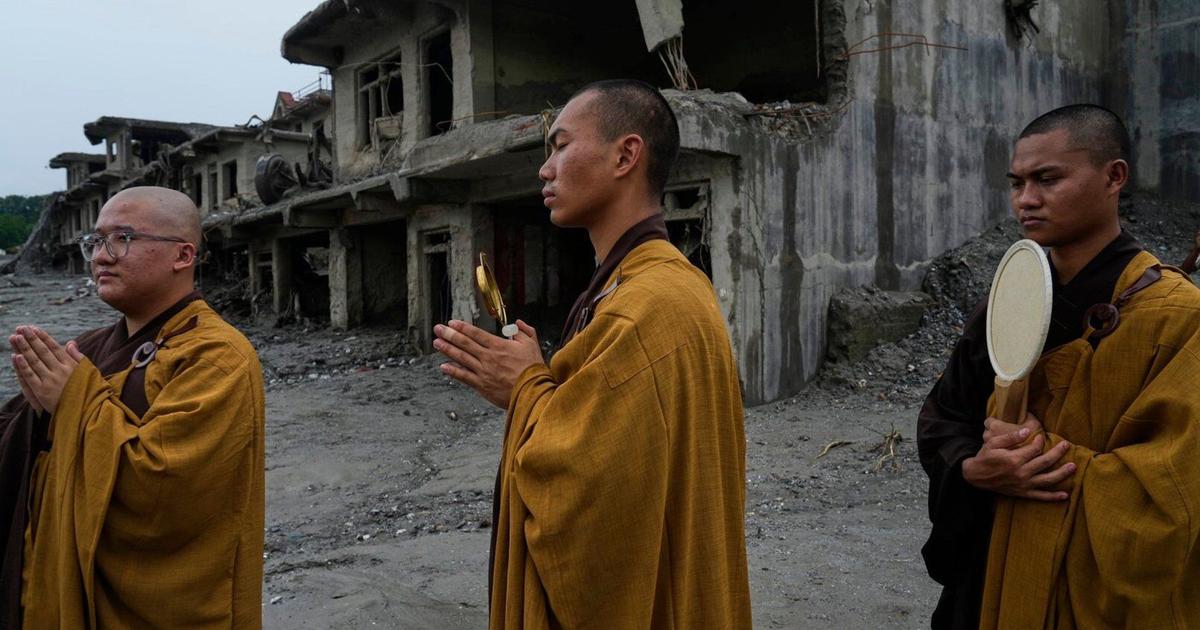
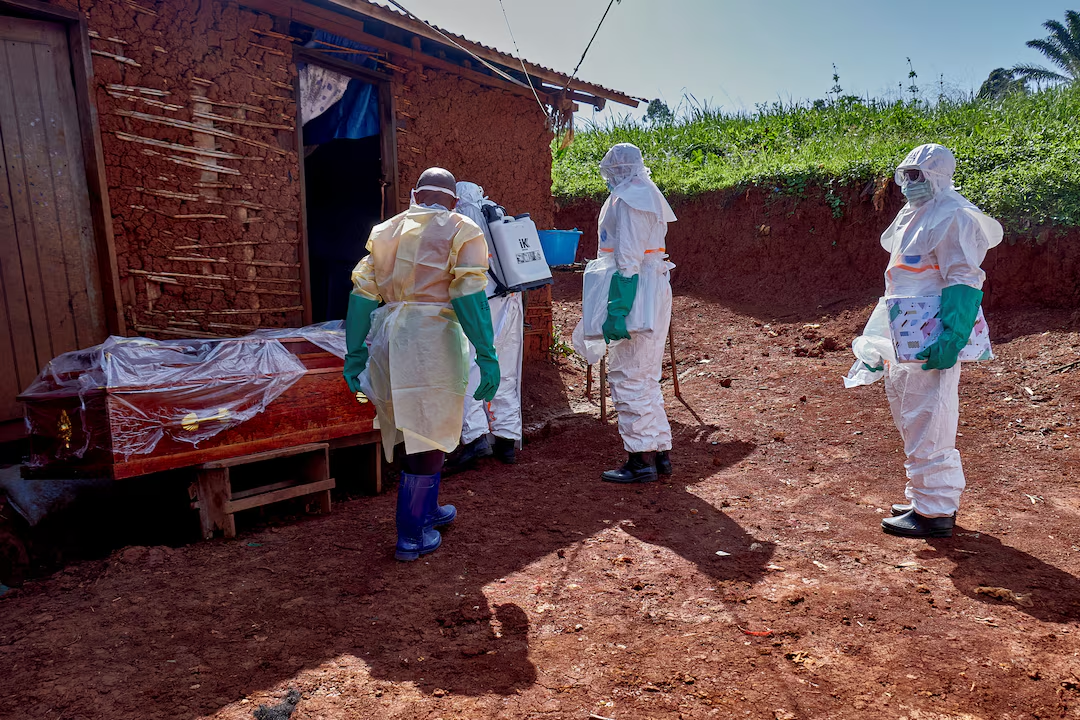
The government declared Monday an official day of mourning, lowering flags to half-staff at government offices. While Buddhist monks performed rituals and prayers in the Dhunge area of Nuwakot district and on the banks of the Trishuli river in Devighat, Hindu families focused on the 13th-day rites.
Because cremation is a vital final rite, families performed symbolic funerals for the missing. This process allows the bereaved to conclude the period during which close family members stay home and relatives visit to pay respects.
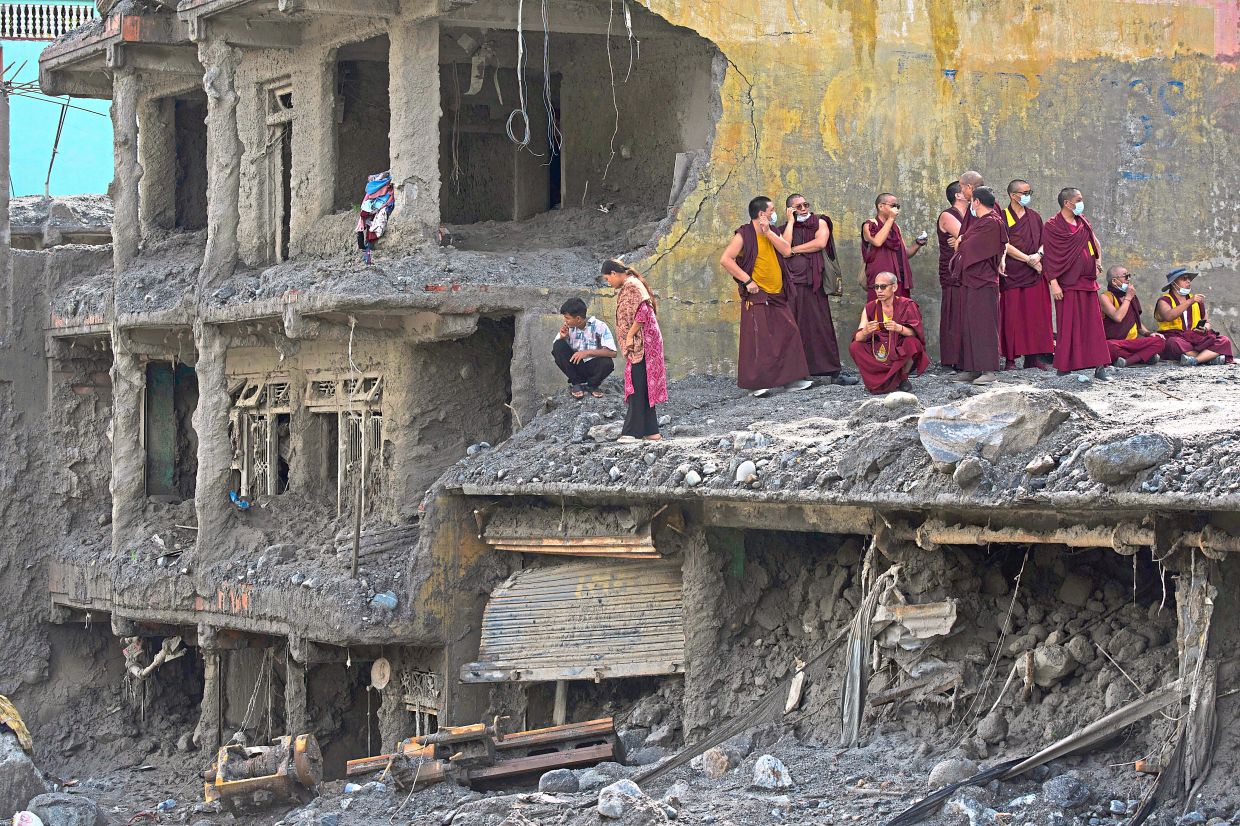
In Kathmandu, relatives of hydropower workers gathered near the offices of the prime minister and key ministries. Among them was Sumana Shrestha, whose 55-year-old husband, a consulting geologist, disappeared when the 2 1/2-story project office for the Trishuli hydropower plant was buried by debris.
"We are here because we have not heard of any rescue attempt on this project, but it has been 13 days already,"
Related YouTube video
People of Nepal hold day of mourning for flash flood victimsSource link
Image via nbcnews.comImage via thestar.comImage via thestar.com.my
Sumana Shrestha, relative of missing geologist, via NBC News
Competing Claims on Rescue Tempo
A divide has emerged between the official narrative of the rescue operation and the accounts of those waiting for news. Nepal Army spokesman Raja Ram Basnet stated that efforts are continuing with the same tempo we had on day one, utilizing air, ground, and tunnel searches to ensure no one remains stranded.
Protesters in the capital contest this claim, citing a lack of heavy equipment. Mahesh Prasad Shrestha, whose 52-year-old brother Niraj, an engineer, is missing from the Trishuli site, said authorities only deployed a small excavator via helicopter on the sixth or seventh day. He argued the government should have secured larger helicopters from India or China to transport heavier machinery.
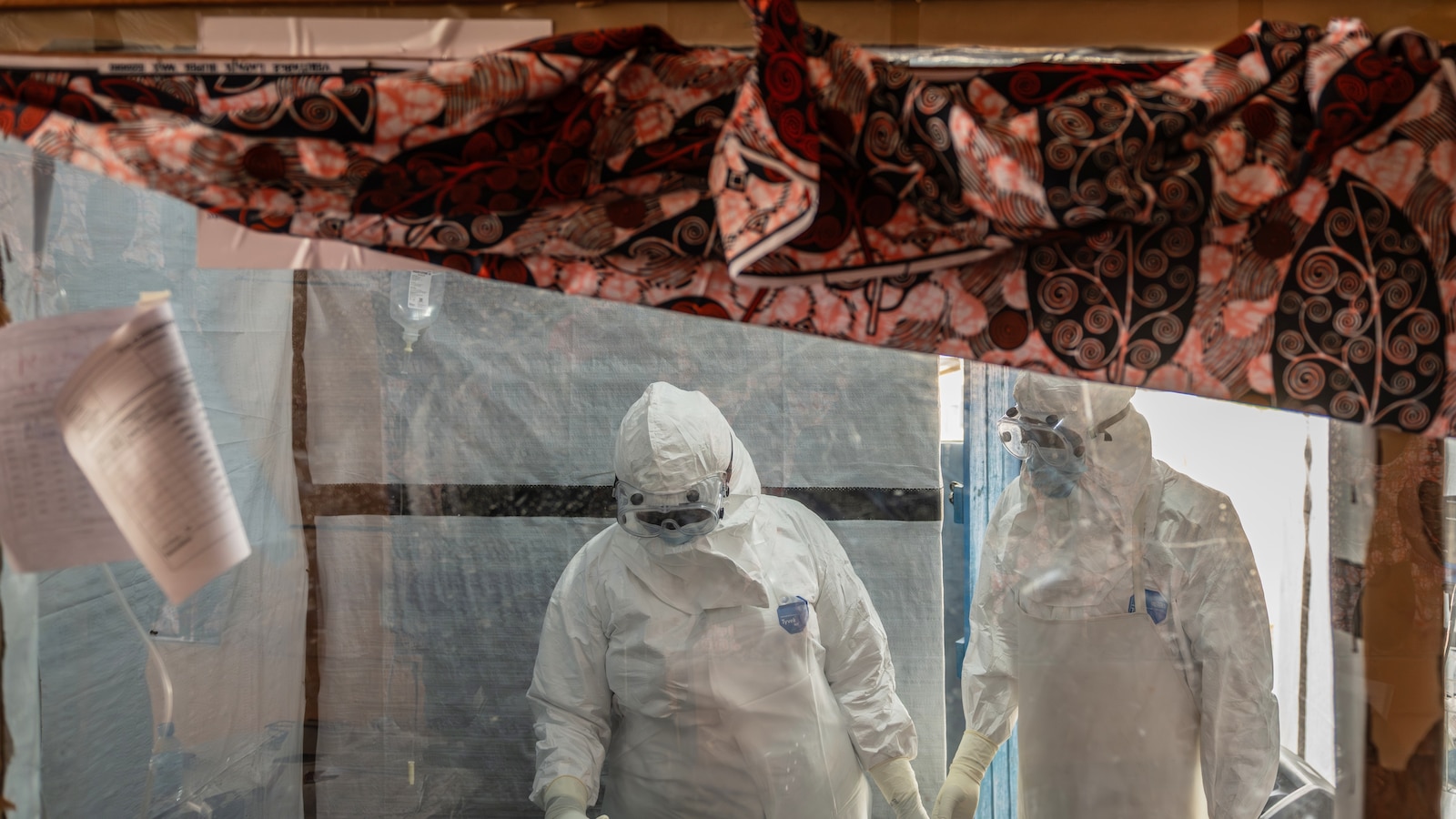
The technical difficulty of the operation is compounded by the number of sites involved. Arnold Dix, president of the International Tunnelling and Underground Space Association and an adviser to the Nepali teams, noted that the mission involves multiple potential rescues unfolding simultaneously in different locations.
Category
Reported Figures
Total Deaths (Nepal and Tibet)
At least 1,398
Total Missing
More than 5,500
(Approx. 800 foreigners)
Hydropower Projects Impacted
12
Missing Hydropower Workers
About 900
Workers Believed Trapped in Tunnels
Roughly 500
Bodies Identified and Returned
Around 100
Economic and Political Pressures
The disaster strikes a nation already under significant economic pressure. Nepal, a rural country of 30 million people, reports that reconstruction costs could reach billions of dollars.
The timing is also politically sensitive. The current government is operating in the shadow of the September 8-9 anniversary of last year's mass anti-corruption protests that toppled the previous administration. The young government now faces the dual burden of managing a mass-casualty disaster and rebuilding critical infrastructure with limited resources.
The scale of the death toll has overwhelmed local infrastructure. Police have reported that mortuaries are overflowing, leading to the burial of hundreds of bodies in mass graves. DNA samples were taken from these remains to allow for future identification.
Frequently Asked Questions
Why are symbolic funerals being held if people are still being rescued?
In Hindu tradition, the mourning period lasts 13 days. Performing the final rites and cremation — even symbolically without a body, provides families with spiritual release and allows them to conclude the formal mourning period.
Which countries are providing technical assistance?
Specialized rescue teams and experts from China, India, South Korea, and the United States are aiding the Nepal Army in searching debris and tunnels.
What caused the disaster?
The deaths were caused by glacial floods and a mountain collapse on the China-Nepal border on August 26. While the exact cause of the collapse is unclear, officials link the increased risk of such events to climate change accelerating glacial melting.
The operation continues to rely on the experience of experts like Arnold Dix, who previously advised the 2023 rescue of 41 men from the Silkyara tunnel in India. Dix has urged teams not to confuse the unlikely with the impossible.
Timeline of Recovery and Protest
The search for survivors has been marked by a stark contrast between late-stage rescues and growing desperation among families. While the government maintained a consistent operational tempo, critical equipment delivery lagged for some sites. According to Mahesh Prasad Shrestha, an excavator was not delivered via helicopter to the Trishuli site until the sixth or seventh day following the August 26 collapse.
Hope for those trapped in the tunnels was renewed toward the end of the 13-day mourning period. As reported by NBC News and The Star, the recovery of three individuals occurred in quick succession:
Friday, September 5: Two Nepalese workers rescued from a hydropower plant.
Saturday, September 6: One Chinese man rescued from the facility.
Monday, September 7: National day of mourning and conclusion of traditional Hindu rites.
These recoveries occurred even as the scale of the loss became clearer. Police report that the volume of deceased has overwhelmed available mortuaries, necessitating the use of mass graves for hundreds of bodies. This systemic failure in infrastructure has left families waiting; only around 100 bodies have been identified and returned to relatives, according to AFP via The Star.
Infrastructure and Border Impact
The destruction extends beyond the hydropower tunnels to the very borders of the nation. AFP reports that victims included individuals such as Moda Modi Nepa, 42, who was stationed at the customs office on the Chinese border when the floods hit. The disaster has demolished homes, destroyed roads, and swept away entire communities, leaving the rural population of 30 million to face reconstruction costs that Nepal says could reach billions of dollars.
The government's response is being scrutinized not only for its technical efficiency but for its political stability. With the September 8-9 anniversary of the anti-corruption protests that toppled the previous administration arriving this week, the young government is under pressure to prove its capability. For the families of the missing, the next step is a demand for the government to secure larger helicopters from India or China to transport the heavy machinery required to penetrate the debris of buried project offices.
Editorial Standards & Verification
Archypedia is dedicated to independent, evidence-backed reporting. This briefing was synthesized from primary source reporting, corroborated across independent newsrooms, and verified against our Editorial Standards.