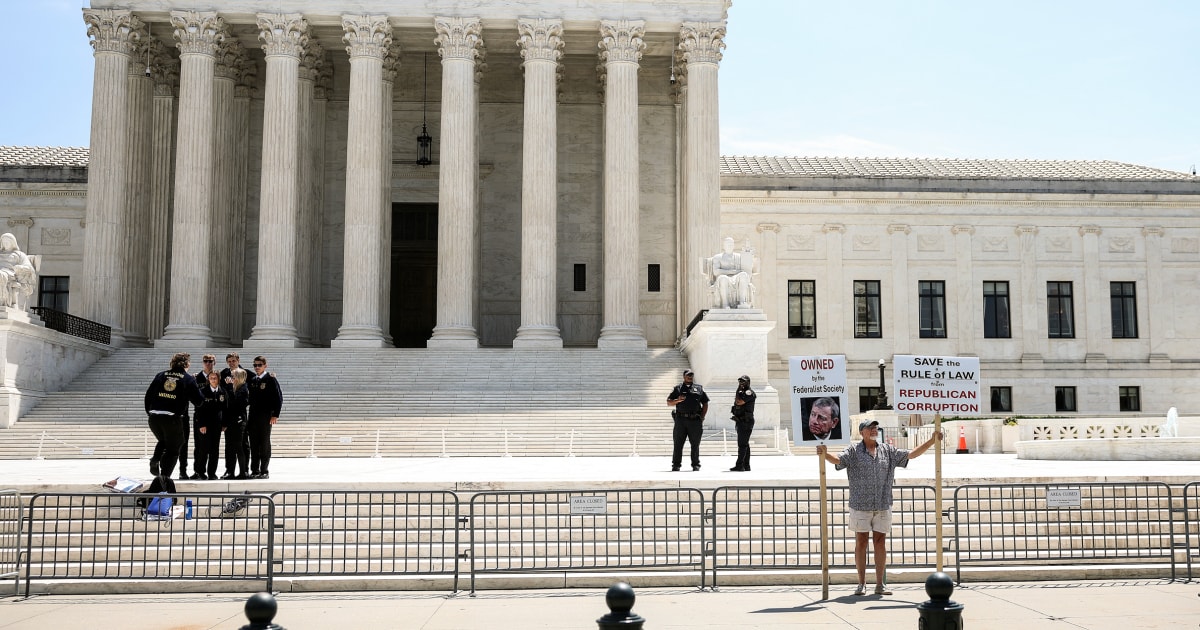
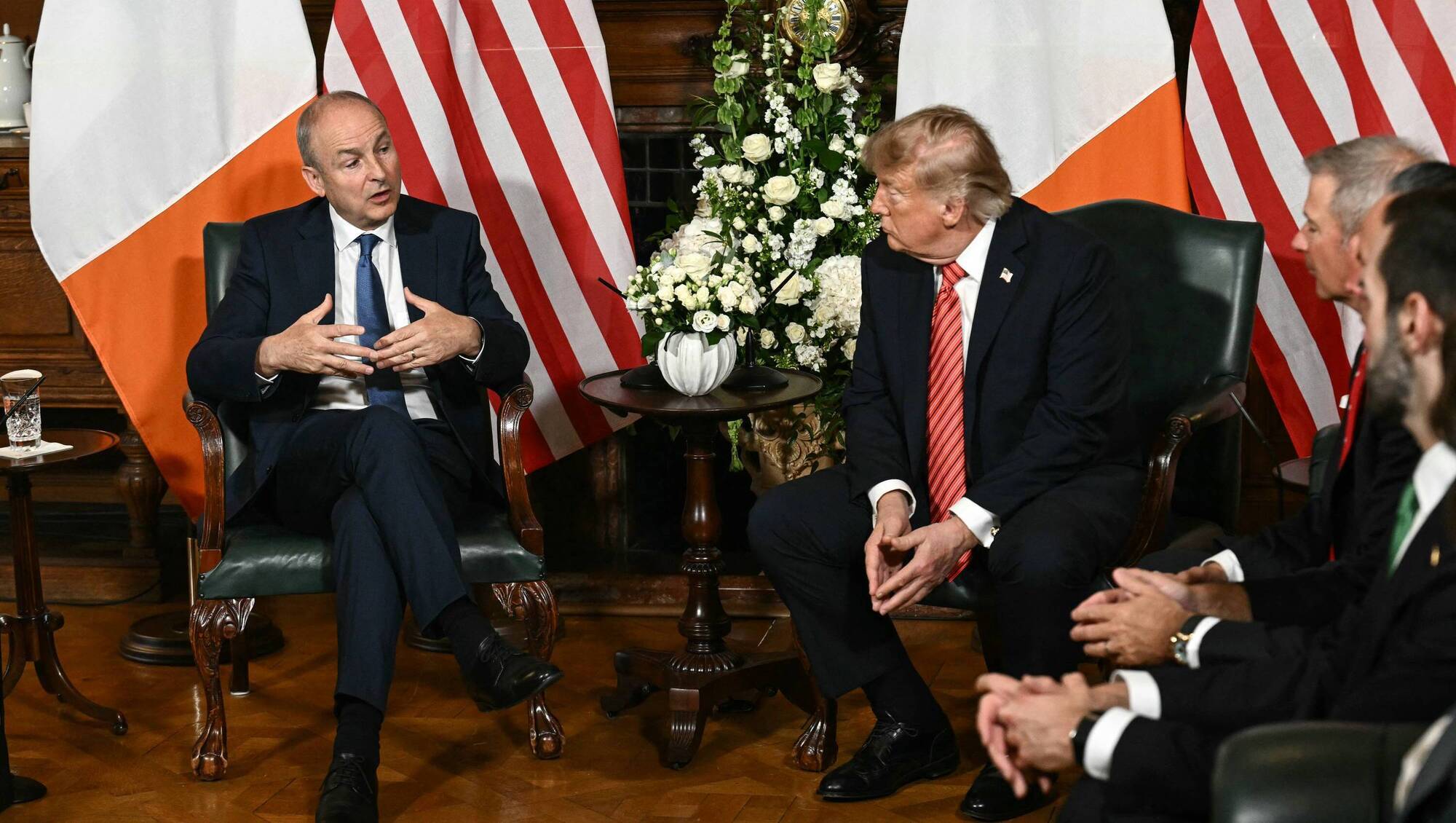
US judge blocks Trump executive order limiting birthright citizenship
Judge Deborah Boardman issued a preliminary injunction against the order, which targeted 'birth tourism' and children of foreign government employees.

On September 3, 2026, a federal judge blocked the Trump administration from enforcing a new executive order that sought to limit birthright citizenship, ruling that the measure likely contradicts a Supreme Court mandate from earlier this year. U.S. District Judge Deborah Boardman of Greenbelt, Maryland, issued the preliminary injunction after finding the administration's latest attempt to restrict citizenship was based on a distorted interpretation
of the law.
The ruling creates a direct clash between the executive branch and the U.S. Supreme Court's June 30 decision in Barbara v. Trump. In that 6-3 ruling, the high court rejected a previous 2025 effort by President Donald Trump to end birthright citizenship for children of noncitizens or non-permanent residents, finding it violated the citizenship clause of the 14th Amendment. That clause confers citizenship to those born in the U.S. Who are subject to the jurisdiction thereof
.
Related YouTube video
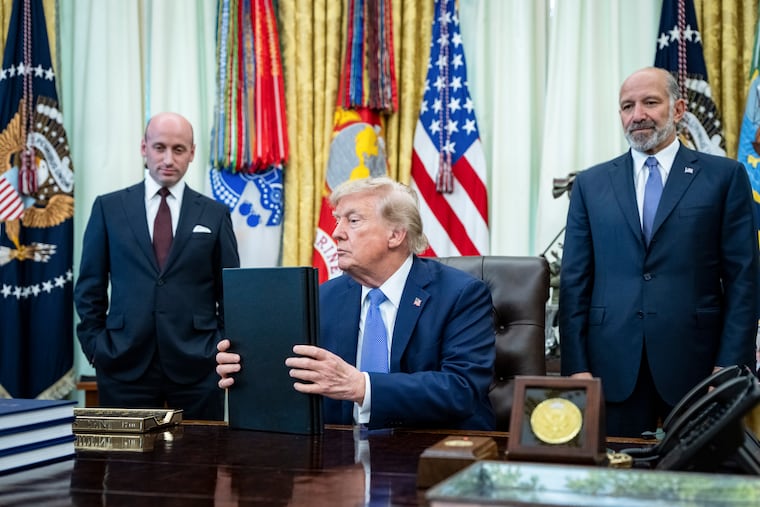

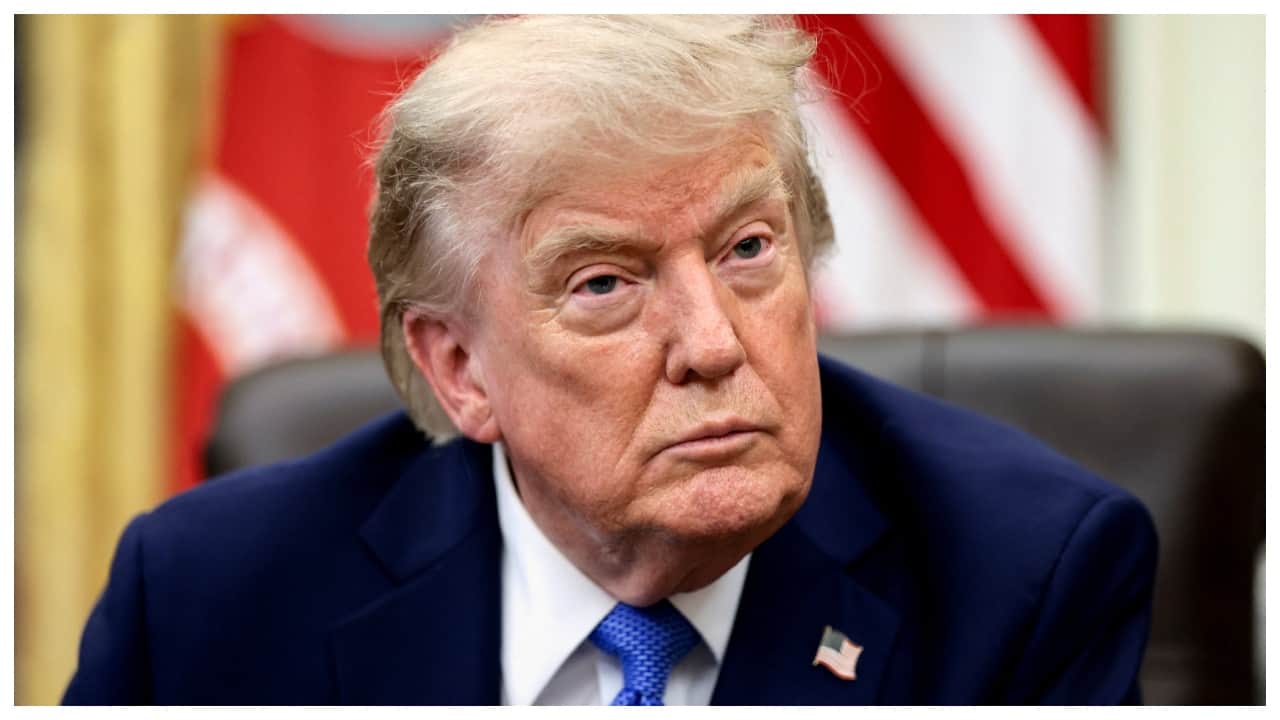
Despite that rebuke, President Trump signed a new order on August 6. While the administration argued the new directive was a narrower refinement, Judge Boardman characterized it as the latest attempt to curtail birthright citizenship by any means that could survive legal scrutiny
.
The August order targeted several specific categories of people to disqualify their children from automatic citizenship:
- "Birth Tourism": Anyone who entered the U.S. On a nonimmigrant visa for the purpose of giving birth or engaged in a
commercial transaction to ensure
they gave birth on American soil. Judge Boardman noted the term was broad enough to potentially include the purchase of a plane ticket. - Government Employees: Children of foreign nationals working for foreign governments or international organizations in the U.S.
- Security and Legal Risks: Those classified as
alien enemies
, members of designated terrorist groups, or those who engage in fraud.
The practical stakes for families are immediate. Plaintiffs in the class-action lawsuit, including the Asylum Seeker Advocacy Project and We Are CASA, reported that parents fear children could be denied citizenship based on arbitrary labels. Some families expressed concern that extended family connections to gangs in their home countries—even if the parents themselves are not members—could be used to strip their children of legal status. Furthermore, Judge Boardman cited a pattern in which the administration has accused Venezuelan nationals of affiliation with the criminal organization Tren de Aragua without evidence during deportation proceedings.
The injunction specifically bars the U.S. Department of State, the U.S. Department of Homeland Security, and the Social Security Administration from interfering with or denying the citizenship of children covered by the class action. This includes children born after February 19, 2025.
The Justice Department argued the lawsuit was premature because federal agencies had not yet issued public guidance on how to implement the order. Government attorneys claimed the order would be applied only prospectively. However, Judge Boardman rejected this, stating that by its plain terms
, the order applies to all children who meet its criteria, regardless of when they were born
.
The timing of the legal block coincides with reports from Reuters that the State Department had already drafted guidance to implement the order. This proposed guidance would require parents applying for passports for their children to provide proof of their own citizenship or immigration status.
The White House dismissed the ruling, with spokesperson Lauren Bis calling it the work of an activist judge appointed by Biden attempting to thwart President Trump’s commonsense agenda
. Conversely, Shana Khader, legal director at We Are CASA, stated the administration must recognize it will not succeed in evading binding court decisions
.
While the Maryland injunction holds for now, a similar request to block the executive order is currently being weighed by a judge in New Hampshire. The Justice Department may now ask a federal appeals court to lift Judge Boardman's injunction to allow the plan to proceed while the broader legal battle moves toward a likely return to the Supreme Court.
Legal Precedents and Executive Strategy
The current dispute is the latest iteration of a campaign began when President Trump took office on January 20, 2025. According to Judge Boardman, the president has since attempted to use executive orders to eliminate birthright citizenship for large portions of the population, a right she noted is enshrined in the 14th Amendment. This follows a history of Supreme Court protections for the practice, including the notable case of US v Wong Kim Ark, involving a man born to Chinese parents.
The administration's strategy shifted in early August, resulting in two separate executive orders. While the current legal battle centers on the order limiting eligibility for citizenship, a separate directive instructs federal agencies to update policies allowing authorities to revoke visas or turn away foreign nationals traveling for the purpose of giving birth on American soil
, as reported by Moneycontrol.
The conflict highlights a deep ideological divide over the definition of jurisdiction. While the Supreme Court’s 6-3 majority in Barbara v. Trump affirmed that citizenship is the right to have rights
, the Trump administration and its allies have argued that the children of undocumented or temporary immigrants do not qualify because they are not under the jurisdiction of the U.S., according to Al Jazeera.
The Justice Department further contended that the Supreme Court did not definitively rule out the possibility of expanding exceptions to birthright citizenship. However, Judge Boardman dismissed this, stating in her 35-page opinion that no executive order can undo a Supreme Court mandate.
The Justice Department may now seek to have a federal appeals court lift the injunction. If successful, this would allow the administration to move forward with its plan while the case proceeds toward a possible return to the Supreme Court; this remains the next step in the legal timeline.
Archypedia is dedicated to independent, evidence-backed reporting. This briefing was synthesized from primary source reporting, corroborated across independent newsrooms, and verified against our Editorial Standards.
Transparency record
Evidence behind this report
This report synthesizes 6 distinct sources. Open the source ledger below to compare the underlying coverage.
Prepared under the Archypedia Editorial Policy by the Samir Haddad editorial desk profile. AI-assisted tools may support drafting and verification; public accountability remains with Archypedia. Report an error.