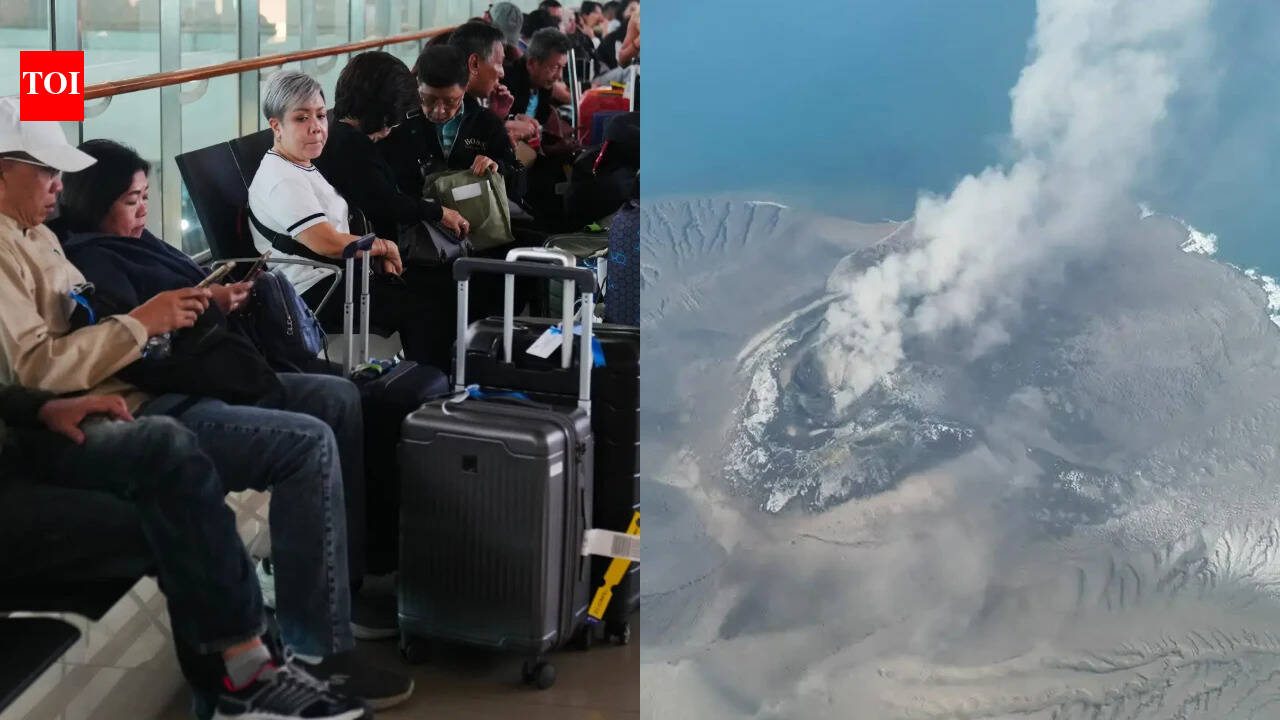
Indonesia Reopens Airports After Suspension Due to Volcanic Eruption
While runways at Soekarno-Hatta and other hubs have reopened, a massive backlog of flights persists due to mandatory airworthiness checks on grounded planes.

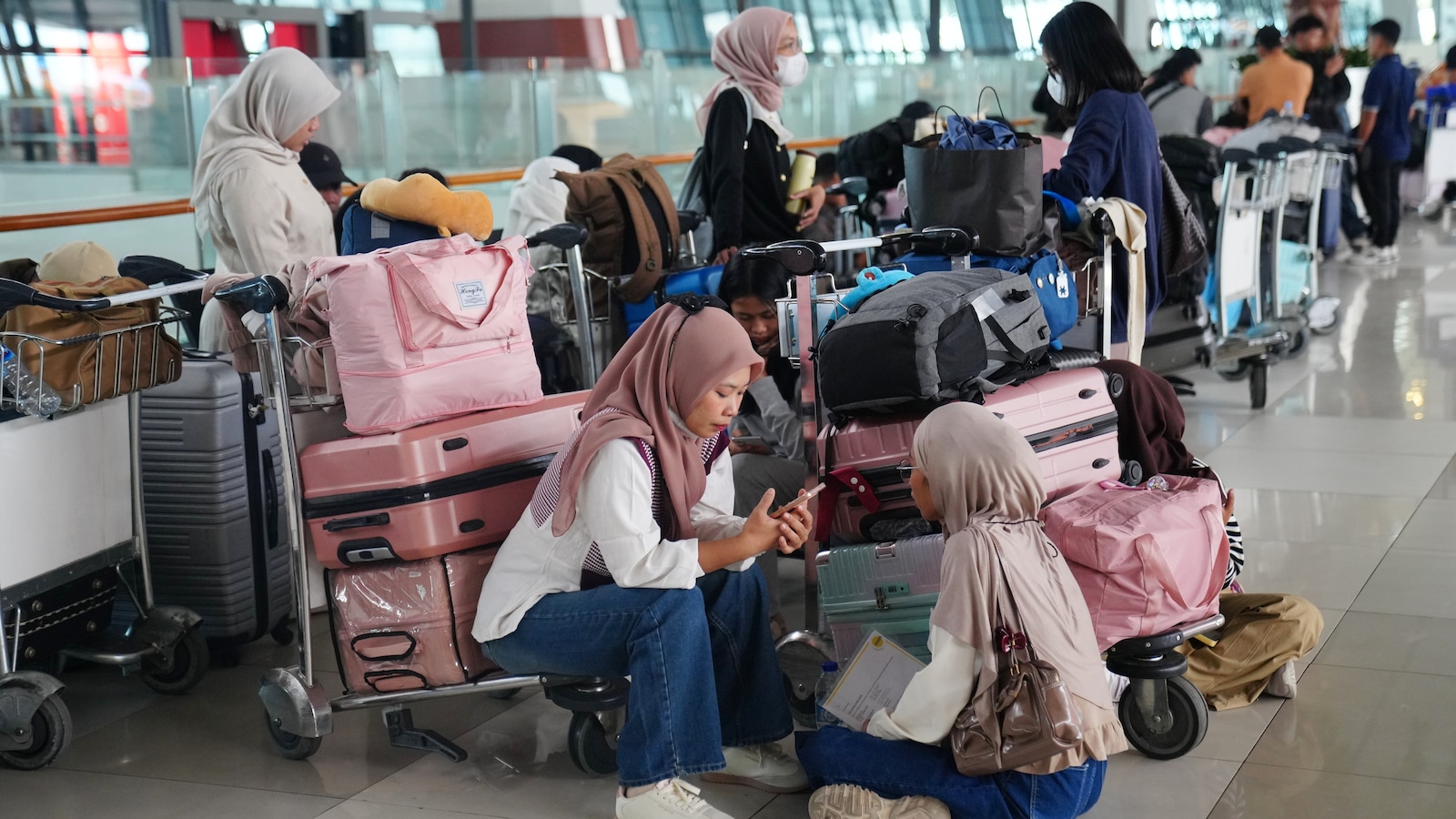
JAKARTA — Snaking queues stretched across the departure halls of Soekarno-Hatta International Airport on Monday as stranded passengers fought for refunds and flight updates. Among them was 31-year-old Alvin Pratama Putra, who arrived Sunday for a work trip to South Korea only to find himself sleeping on an airport bench; his flight has since been rescheduled to Thursday.
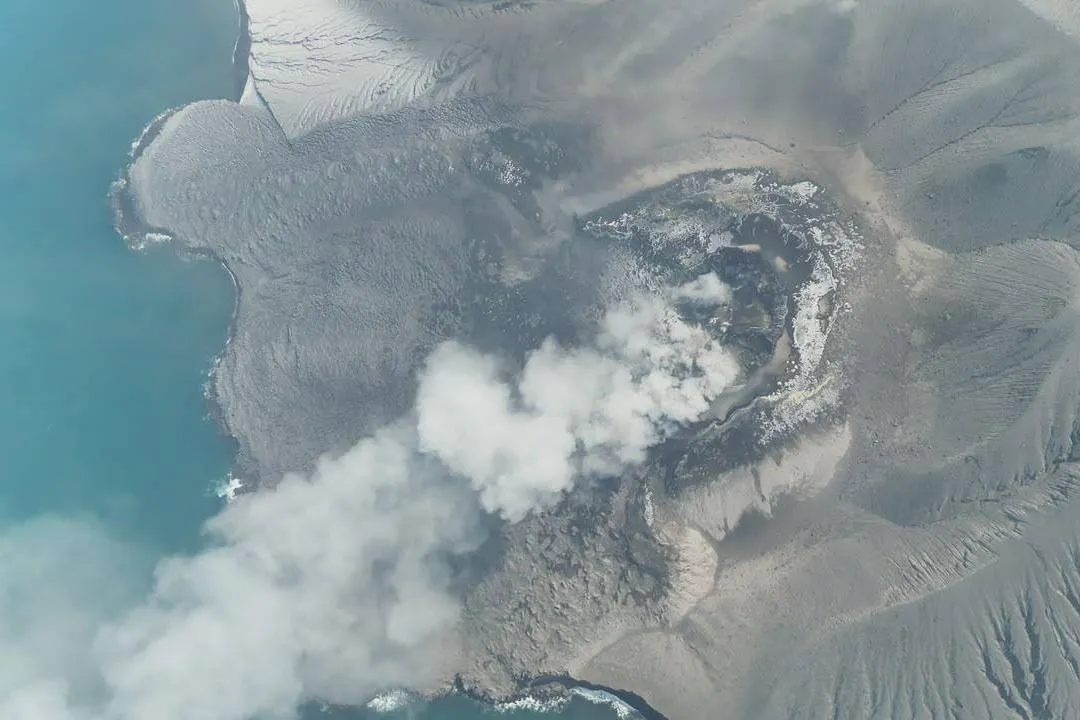
The disruption follows a weekend of activity from Anak Krakatau, a volcano in the Sunda Strait, which forced the closure of eight airports and halted nearly 3,000 flights. While five of those airports, including the primary hubs serving Jakarta, reopened just after midnight on Tuesday, September 8, 2026, the physical reopening of the runways has not translated into a return to normal service for the 341,000 people affected by the crisis.
Related YouTube video


The Mechanical Bottleneck
The reopening of Soekarno-Hatta International Airport at 00:30 on Tuesday did not immediately clear the backlog of flights. Transport Minister Dudy Purwagandhi explained that 178 aircraft grounded during the closure now require individual airworthiness confirmations. Perhaps it’ll take some little extra time to prepare the planes,
Purwagandhi told reporters, via The Diplomat.
This technical delay is a matter of safety rather than bureaucracy. Aviation authorities restrict flights in ash-affected zones because volcanic particles can damage engines and other critical systems. Consequently, pilots and crews have been instructed to remain vigilant of restricted airspace zones established around ash-detected areas, according to ABC News.
The result is a cascading failure in flight scheduling. Bayu Sutanto, Secretary General of the Indonesia National Air Carriers Association (INACA), noted that the delay of a single aircraft at Soekarno-Hatta can impact the subsequent three or four flights intended for that same plane. This ripple effect is compounded by increased operating expenses, including crew costs and fuel for route diversions.
| Metric | Impact Detail |
|---|---|
| Total Disrupted Flights | 2,961 (including 622 international) |
| Stranded Passengers | Approximately 341,000 |
| Potential Airline Loss | Up to 19 billion rupiah ($1 million) per day |
| Grounded Planes Requiring Checks | 178 at Soekarno-Hatta |
Geographic Vulnerability: The Sunda Strait
Anak Krakatau, meaning child of Krakatau,
is situated on a small island in the Sunda Strait, positioned midway between the islands of Java and Sumatra. The current eruption, which began late Friday and remained active for roughly 25 hours, sent ash plumes as high as 15,000 meters on the Sumatra side and 6,000 meters on the Java side, according to the meteorological agency BMKG, via Bbc.
This volatility is tied to Indonesia's position on the Pacific Ring of Fire,
a 40,000km string of seismic faults and tectonic plates. This zone contains 75% of the world's active volcanoes — approximately 452 individual sites, and is the source of 90% of all global earthquakes.
The history of Anak Krakatau underscores this danger. The volcano emerged in the 1920s within the caldera created by the 1883 eruption of Mount Krakatoa, which killed over 36,000 people. More recently, in December 2018, a collapse of the volcano's southwest slope triggered a tsunami that killed at least 430 people across Sumatra and Java, according to ABC News.
Recovery and Residual Chaos
While the government has focused on the reopening of infrastructure, the experience of travelers remains fragmented. Finna, a passenger traveling from Malang to Jakarta, described a frenzy
at the airport as flights were repeatedly rescheduled, eventually opting to spend the night on intercity trains. A Malaysian couple on their honeymoon reported being told their return flight to Kuala Lumpur would not depart until September 11.
Beyond aviation, the eruption affected public health and education. The government authorized schools in ash-affected areas to shift to online learning. Internationally, the UK government's Foreign, Commonwealth & Development Office (FCDO) updated its advice for Indonesia, suggesting travelers use face masks to protect against airborne particles and stay indoors to avoid hazardous gases, via Tempo.
Frequently Asked Questions
Why can't planes fly immediately after an airport reopens?
Volcanic ash consists of particles that can damage aircraft engines and critical systems. Therefore, airlines must conduct airworthiness inspections on grounded aircraft and avoid restricted airspace zones where ash remains detected.
Is it currently safe to travel to Indonesia?
According to advice via Tempo, Indonesia remains open to travelers, and there is no government advice against visiting. However, travelers are warned to expect delays and monitor air quality.
The restoration of flights remains precarious. Although the primary eruptions ended Sunday, Anak Krakatau erupted three additional times on Tuesday morning. While the geological agency head Lana Saria stated the impact has not been as large as previous events, the agency warned on Monday that the probability of further eruptions remains high. The stability of the current reopening depends entirely on wind direction and the height of any new ash columns.
Aviation Recovery and Risk
The timeline of the shutdown reveals a rapid escalation of restrictions. Following the initial eruption late Friday, Soekarno-Hatta International Airport became the first to ground flights on Sunday morning. To determine when it was safe to resume, Transport Minister Dudy Purwagandhi said authorities conducted tests every 30 minutes to track whether the ash spread was widening or subsiding, via BBC.
While the primary hubs reopened Tuesday, the regional recovery remains uneven. A breakdown of the current airport status shows that the network has not yet fully returned to capacity:
- Reopened Tuesday: 5 airports, including Soekarno-Hatta, Halim Perdanakusuma, and a facility in Bandung.
- Reopened Monday: 1 airport.
- Remaining Closed: 2 airports.
This fragmentation complicates the logistics for airlines already facing significant financial strain. According to Yahoo News, the disruption is not isolated to the Sunda Strait; other volcanoes, including Mount Ibu and Ili Lewotolok on islands east of Java, also erupted on Tuesday.
The instability is further evidenced by the volcano's activity on Tuesday morning, with eruptions reported at 5:08 a.m. And 5:34 a.m., although fog and weather conditions prevented observers from seeing the height of the ash columns. Additionally, authorities have maintained a strict exclusion zone, prohibiting ships in the Sunda Strait from entering a 3km radius of the active crater.
For the thousands of passengers still waiting, the next step depends on the completion of airworthiness checks for the 178 grounded planes and the continued monitoring of wind direction and ash height by the geological agency.
Archypedia is dedicated to independent, evidence-backed reporting. This briefing was synthesized from primary source reporting, corroborated across independent newsrooms, and verified against our Editorial Standards.
Transparency record
Evidence behind this report
This report synthesizes 5 distinct sources. Open the source ledger below to compare the underlying coverage.
Prepared under the Archypedia Editorial Policy by the Samir Haddad editorial desk profile. AI-assisted tools may support drafting and verification; public accountability remains with Archypedia. Report an error.