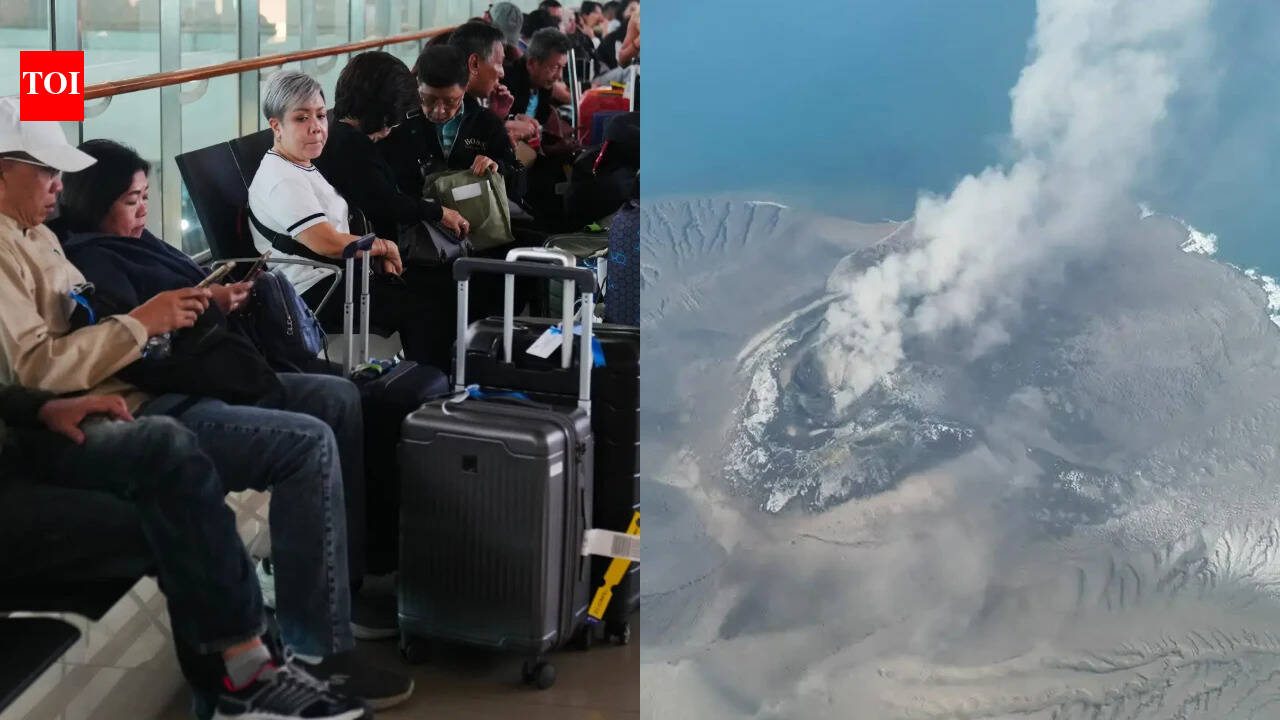
Volcano eruption leaves 150,000 passengers stranded in Indonesia
Ash plumes reaching altitudes of 50,000 feet have disrupted Indonesia's aviation network, triggering mass cancellations across regional and international routes.

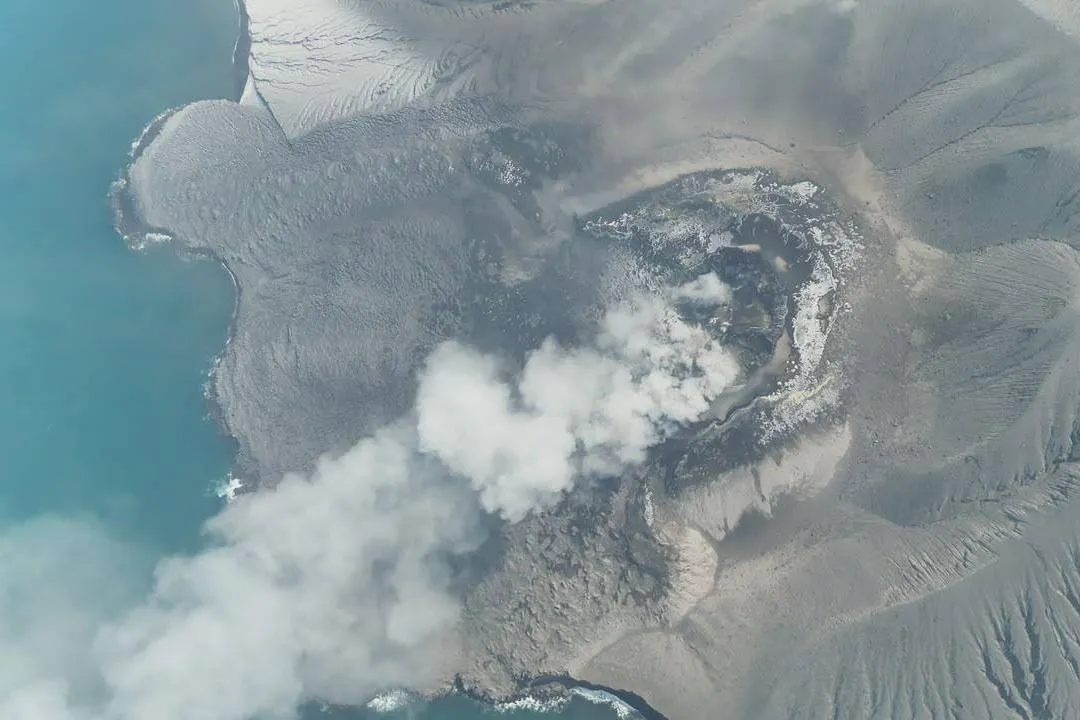
Towering columns of abrasive grit billowed across the Sunda Strait as Mount Anak Krakatau erupted, driving an immediate, cascading paralysis across Indonesia’s premier aviation gateway and grounding hundreds of scheduled services, according to the Daily Post. The sudden presence of abrasive particulate matter in regional air corridors forced sweeping closures that stranded tens of thousands of travelers, transforming major terminals into impromptu waiting rooms while geologists warned that the subterranean engine driving the blasts remains entirely unconstrained.
The eruption began late on a Friday night, quickly intensifying into continuous seismic activity marked by fountains of lava and thunderous booms audible up to 700 kilometers away, noted by The Jakarta Post. By Sunday, September 6, 2026, the physical footprint of the disaster expanded dramatically as upper-level winds carried plumes to altitudes between 20,000 feet over Java and 50,000 feet toward Sumatra, triggering emergency airspace shutdowns that rippled across Southeast Asia and disrupted international connections, detailed by the Bbc.
Related YouTube video


Airport Shutdowns and Regional Aviation Fallout
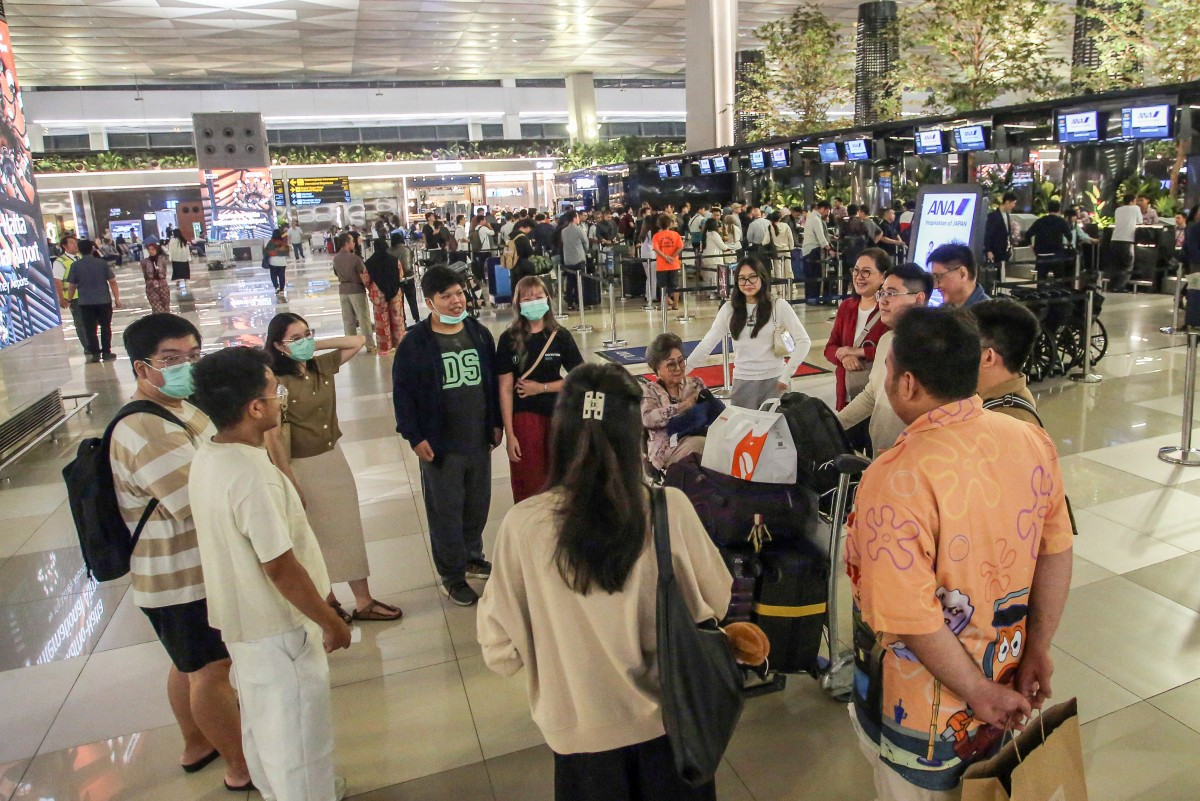
The operational crisis centered on Jakarta's Soekarno-Hatta International Airport, which processes well over 50 million passengers annually and serves as the primary transit node in the archipelago, according to the Daily Post. Authorities ordered the initial shutdown early Sunday morning at 01:30 local time after a paper test yielded positive indications of volcanic ash in the immediate vicinity, reported by The Jakarta Post. What began as a brief precautionary halt was extended repeatedly throughout the day due to intensifying eruptive pulses.
Transport Minister Dudy Purwagandhi reported that the closures ultimately encompassed six separate facilities, noted by the BBC. Alongside Soekarno-Hatta, the shutdown caught Halim Perdanakusuma and Pondok Cabe in Jakarta, Budiarto, Husein Sastranegara in Bandung, and Radin Inten II near Bandar Lampung on Sumatra, listed by the Bangladesh Monitor. Air navigation authorities positioned Kertajati International, Jenderal Ahmad Yani International, and Juanda International as alternative landing gateways, noted the Bangladesh Monitor, while transport officials urged carriers to divert inbound traffic where airspace remained clear, stated by the BBC.
The operational disruption quickly strained regional networks. While the transport ministry pegged direct domestic and regional impacts at more than 22,000 passengers across roughly 209 affected flights, reported by The Jakarta Post, broader tallies encompassing subsequent international cancellations pushed the total number of impacted travelers toward 150,000, reported by the BBC. Major carriers scrambled to adjust their schedules. Malaysia Airlines scrapped 12 flights between Kuala Lumpur and Jakarta, Batik Air canceled eight services linking Jakarta with Kuala Lumpur and Subang, and Singapore Airlines scrapped multiple round-trip services alongside two relief flights, detailed by the Bangladesh Monitor. Australian carrier Qantas and regional operators like AirAsia also confirmed sweeping cancellations, reported by The Sun and The Guardian.
| Metric / Category | Reported Figure | Source Reference |
|---|---|---|
| Overall affected passengers | More than 150,000 | BBC |
| Direct ministry passenger count | Over 22,000 (up to 22,800) | The Jakarta Post / Daily Post |
| Affected flight movements | Between 209 and 516 total | The Jakarta Post / Daily Post |
| Ash plume altitude (East / Java) | 20,000 feet (6,000 meters) | BBC / BMKG |
| Ash plume altitude (West / Sumatra) | 50,000 feet (15,000 meters) | BBC / BMKG |
Human Toll and Mitigation Efforts on the Ground
Inside the terminals, stranded passengers confronted compounding delays. Airport operators coordinated with airlines to provide food, light refreshments, and transport buses to local hotels, reported by the Guardian, while Malaysia's Kuala Lumpur International Airport established dedicated resting zones for displaced travelers, noted by The Sun. Business travelers and tourists alike found themselves marooned. Henny Yensan, a 44-year-old businesswoman seeking to return home with her mother, noted that travelers remained philosophical despite the disruption, recognizing the event stemmed from natural forces, told AFP via The Sun. Samuel Guiberteau, a 47-year-old executive caught while on a business trip, found alternative bookings canceled in turn, leaving him stranded in Lombok with no immediate exit, recounted via The Sun.
In coastal villages and towns neighboring the Sunda Strait, residents faced immediate environmental hazards. The Indonesian health ministry and the National Disaster Mitigation Agency (BNPB) urged residents to stay indoors, wear face masks, and use eye protection, stated the BBC and The Jakarta Post. Local media outlet Kompas reported that several schools suspended activities after students and community members suffered acute eye irritation from falling grit, while fishermen kept their vessels ashore due to poor visibility and stinging particulate matter, highlighted by the BBC. Resident Aldi Candra Prayogi described the local conditions, stating that the dust felt like small grains of sand entering his eyes and requiring constant sweeping of his front yard, told Kompas via the BBC.
To combat the thick ash accumulation, BNPB chief Suharyanto announced plans to execute a weather modification operation involving cloud-seeding, reported by the Guardian. Authorities hope that artificially inducing heavy rainfall will scour the settling grit from residential areas and infrastructure, noted the Guardian. Meanwhile, port authorities enforced a strict three-kilometer exclusion zone around the active crater and instructed marine traffic passing through the strait to exercise heightened vigilance against floating debris and navigation hazards, stated by The Jakarta Post.
Geological Context and Unpredictable Future
Anak Krakatau—whose name translates as the Child of Krakatoa—occupies a volatile position in the Sunda Strait between Java and Sumatra, noted the BBC. The cone emerged from the sea at the beginning of the last century within the massive caldera formed by the cataclysmic 1883 eruption of Mount Krakatoa, reported the BBC, a historical disaster estimated to have killed approximately 35,000 people, documented by The Jakarta Post. The island has grown rapidly through repeated ash deposits and lava flows, punctuated by sudden structural failures, explained by the Daily Post.
The volcano's most recent major collapse occurred in December 2018, when a massive flank failure sent blocks of rock 70 to 90 meters high tumbling into the sea, detailed the BBC, generating a destructive tsunami that killed more than 400 people on surrounding coastlines, reported the BBC. While current monitoring has recorded continuous seismic unrest and fluid movement within the magmatic plumbing, noted by geology officials via The Sun, both BNPB and meteorological agencies confirmed that the present sequence of explosions carries no immediate risk of triggering a tsunami, stated the BBC.
Indonesia sits squarely upon the Pacific Ring of Fire, a 40,000-kilometer tectonic belt accounting for roughly 90 percent of global earthquakes and housing three-quarters of the Earth's active volcanoes, noted the BBC. Within this hyper-active zone, managing aviation safety requires balancing continuous satellite plume tracking with immediate empirical checks, such as the paper tests employed at Soekarno-Hatta, reported by The Jakarta Post. Volcanic glass and pulverized rock present an existential threat to modern turbofan engines, where internal temperatures cause ingested ash to melt, glaze turbine blades, and choke fuel systems, explained by the Guardian.
As aviation authorities continue evaluating rolling airspace restrictions tied to shifting wind patterns and ongoing eruptive pulses, stated by the Daily Post, Indonesia's Geological Agency has cautioned that scientific models cannot forecast the trajectory of the volcano's next phase. Lana Saria, head of the geological agency, emphasized that while seismic data reveals continuous magma supply beneath the conduit, the exact timing, magnitude, and nature of any subsequent eruption remain impossible to predict, warned Saria via The Sun.
Archypedia is dedicated to independent, evidence-backed reporting. This briefing was synthesized from primary source reporting, corroborated across independent newsrooms, and verified against our Editorial Standards.
Transparency record
Evidence behind this report
This report synthesizes 6 distinct sources. Open the source ledger below to compare the underlying coverage.
Prepared under the Archypedia Editorial Policy by the Samir Haddad editorial desk profile. AI-assisted tools may support drafting and verification; public accountability remains with Archypedia. Report an error.