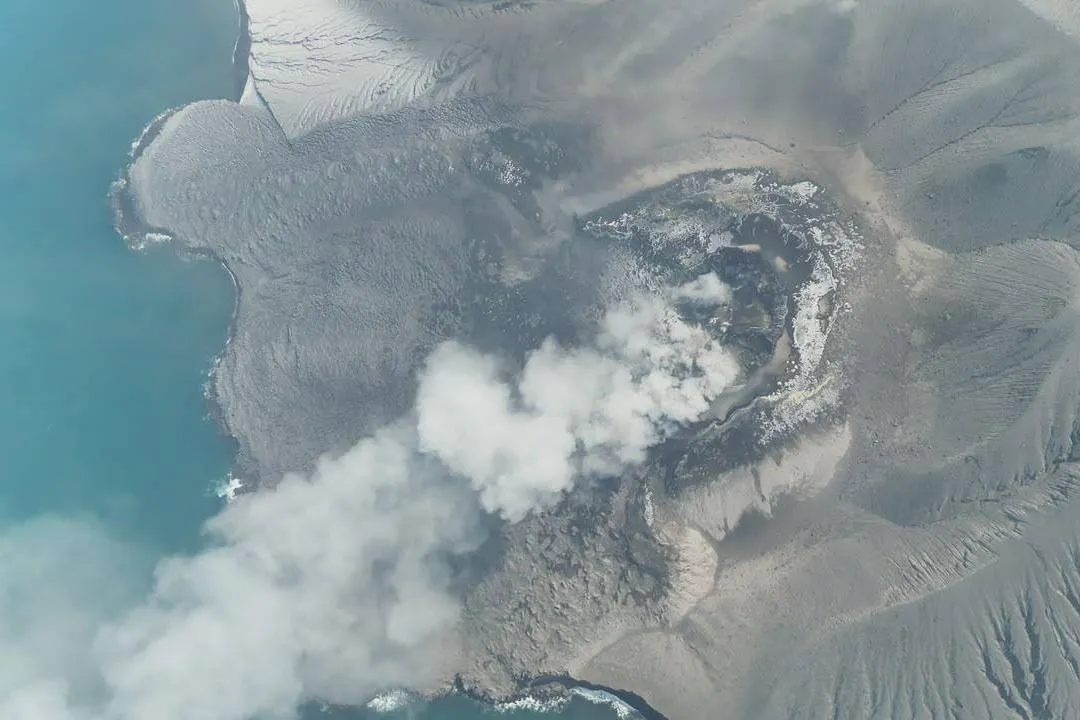
Anak Krakatau eruption strands 170,000 passengers across Indonesia
Massive ash plumes reaching 50,000 feet have paralyzed aviation across western Indonesia, forcing the suspension of 1,558 flights and triggering systemic logistical failures.
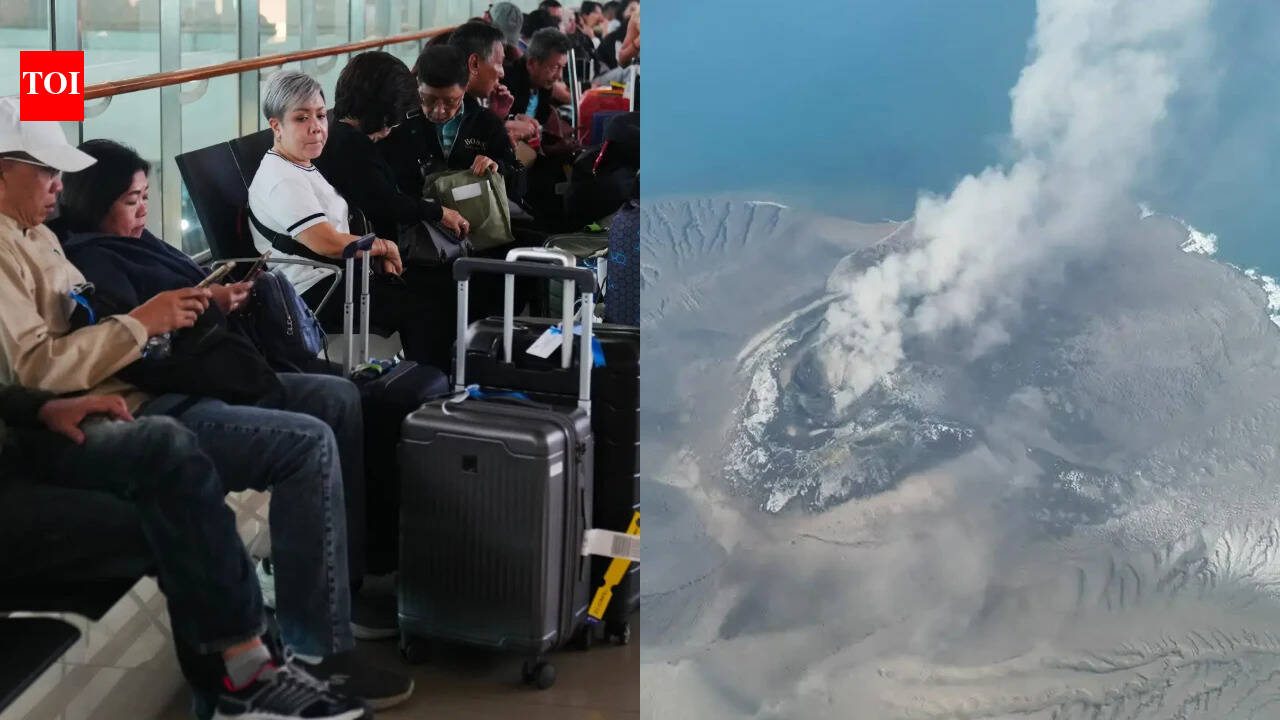
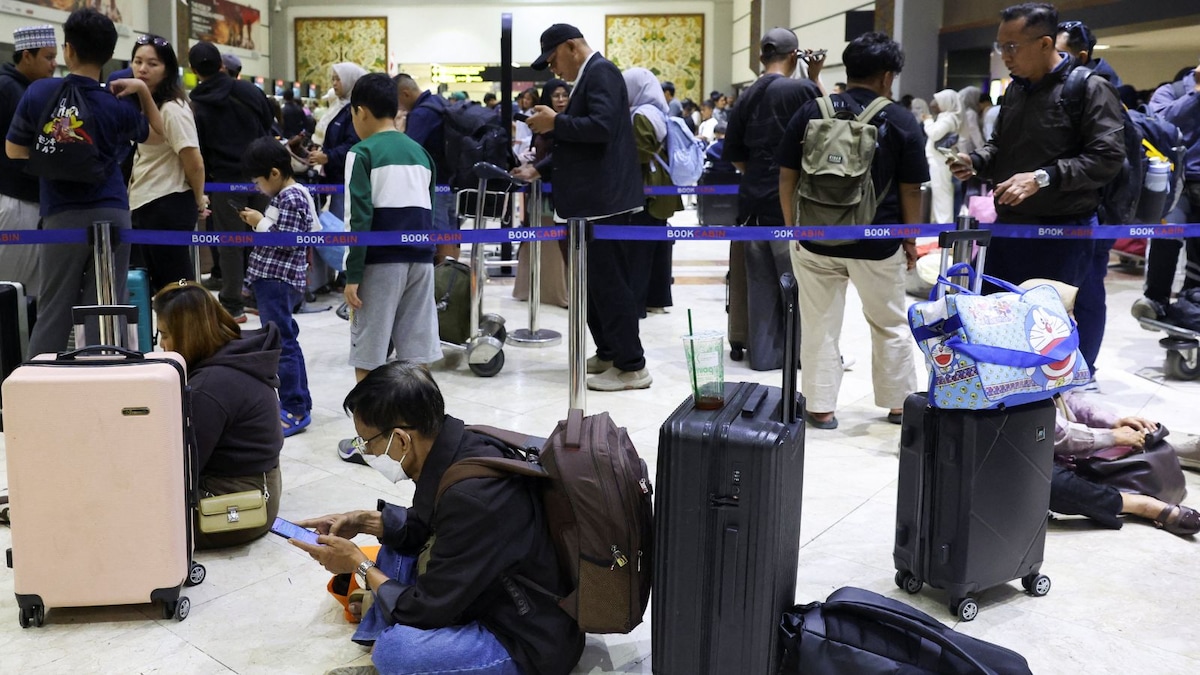
The closure of Soekarno-Hatta International Airport, Southeast Asia's second-busiest aviation hub, triggered a systemic collapse of air travel across western Indonesia this weekend. The eruption of the Anak Krakatau volcano has left approximately 170,000 passengers stranded and forced the suspension of 1,558 flights, according to figures cited by Times of India.
The disruption centers on eight shuttered airports and a massive volume of cancelled movements, including 963 flights at Soekarno-Hatta alone. While the volcanic activity occurred in the Sunda Strait, the resulting ash clouds paralyzed international routes to Singapore, Sydney, Doha, and Kuala Lumpur.
Related YouTube video

Atmospheric Triggers and Ash Distribution
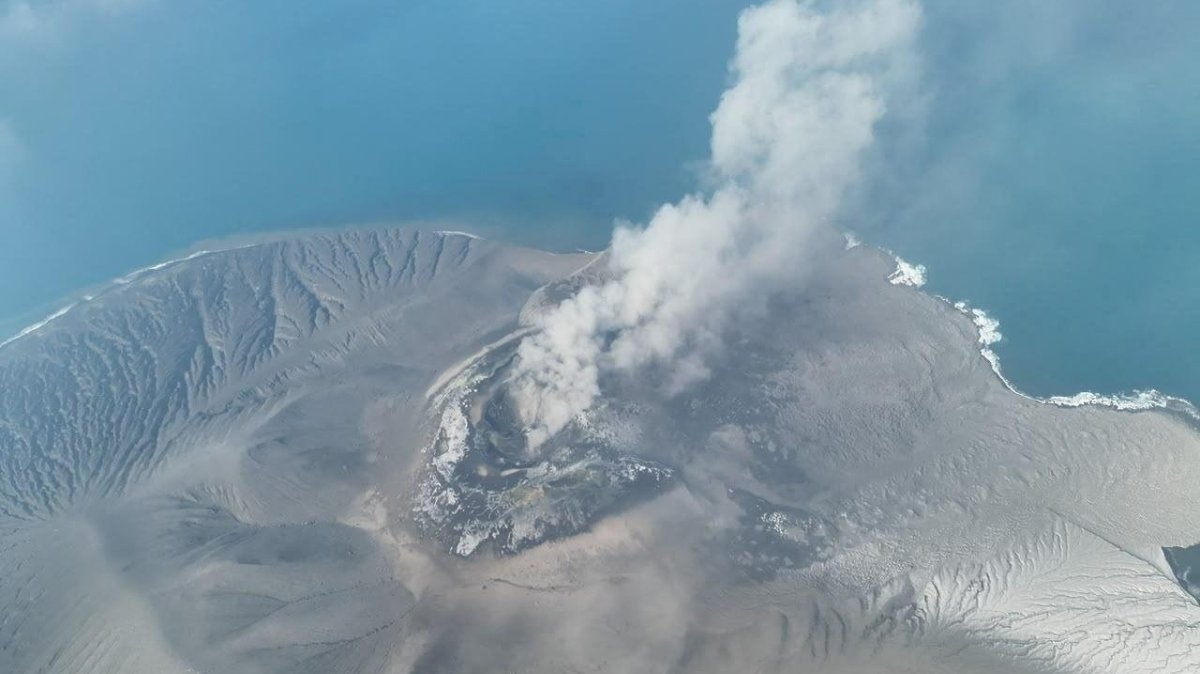
The aviation crisis was precipitated by two distinct ash clouds identified via satellite imagery by Indonesia’s volcanology agency and the Darwin Volcanic Ash Advisory Centre. Wind directions dictated the distribution of the ash, creating two separate hazard zones across the archipelago.
| Impact Zone | Maximum Ash Altitude | Primary Areas Affected |
|---|---|---|
| Java Side (Northeast) | 20,000 feet (6,100 meters) | Jakarta, Banten, West Java |
| Sumatra Side (West) | 50,000 feet (15,200 meters) | Lampung, Bengkulu, Banten, Indian Ocean |
Disputed Eruption Timeline
Official sources disagree on the nature and duration of the volcanic event. The Indonesia Ministry of Energy and Mineral Resources reported a continuous eruption that began at 11:07 p.m. On Friday, September 4, and lasted approximately 25 hours, ending at 12:04 a.m. On Sunday, September 6, according to CNBC TV18.
Indonesia’s Geological Agency reported a different pattern. According to Daily Sabah and Global Nation, the volcano showed activity since Friday but erupted in brief, intense bursts on Sunday morning: one lasting 30 seconds at 3:53 a.m., and another lasting 16 seconds roughly three hours later.
Lana Saria, head of Indonesia’s geological agency, confirmed in a video briefing that activity has intensified since July, with the Sunday events representing the strongest eruptions of the current period. She noted that repeated activity suggests a continuous supply of magma and gases, though officials cannot yet determine if a larger eruption is imminent.
Cascading Disruptions and Human Impact
The immediate closure of airports created a secondary wave of logistics failures. Lukman F. Laisa, Director General of Civil Aviation, warned that the industry faces cascading disruptions
that will persist even after airports reopen. These include compromised aircraft rotations — where planes are out of position for their next scheduled legs — as well as reduced fleet availability and terminal capacity as airlines struggle to restore normal schedules, as reported by Times of India.
For passengers, the impact has been absolute.
Samuel Guiberteau, a 47-year-old Danone executive, reported being trapped on the island of Lombok after a Citilink flight was cancelled, telling the AFP news agency that nothing is certain for the moment
via Mirror.
The disruption also reached the education sector. The government authorized schools in ash-affected areas to transition to online learning to minimize student exposure to volcanic ashfall.
Geological Context and Tsunami Risk
Anak Krakatau, meaning child of Krakatau
, emerged from the caldera of the 1883 Krakatau eruption, which caused global cooling. The volcano has a history of violent instability. In December 2018, a flank collapse triggered an underwater landslide, resulting in a tsunami that killed at least 430 people in Java and Sumatra. Researchers noted that the island was reduced to roughly a quarter of its original size following that event, according to Daily Sabah.
While current authorities maintain that there is no tsunami risk linked to this weekend's activity, the volcano remains at Level III, or Alert
status, with a 3-kilometer exclusion zone enforced around the crater.
Government Response and Weather Modification
Transport Minister Dudy Purwagandhi has urged airlines to expedite ticket refunds and suggested diverting flights to Java-based airports such as Kertajati, Juanda, and Jenderal Ahmad Yani. He further advised passengers to avoid traveling to airports during the disruption to prevent overcrowding.
The most aggressive attempt to resolve the crisis involves manipulating the weather. Suharyanto, chief of the National Disaster Management Agency (BNPB), announced a weather modification operation involving cloud seeding to induce heavy rain. According to Mirror, the objective is to wash the volcanic ash from the atmosphere and ground quickly, potentially reopening the airspace for commercial aviation.
Operational Deadlines and Flight Diversions
While the initial systemic collapse focused on the Sunday eruption, disruptions extended into Monday, September 7. PT Angkasa Pura Indonesia announced via Instagram that flight operations at four key hubs, Soekarno-Hatta (CGK), Halim Perdanakusuma (HLP), Radin Inten II (TKG), and Husein Sastranegara (BDO), were suspended until 6:00 PM WIB on Monday.
To manage the volume of stranded travelers, the government identified specific Java-based alternatives for rerouted traffic.
International aviation responses varied by carrier. Singapore Airlines and its budget arm, Scoot, cancelled multiple services on the Singapore-Jakarta route for Monday.
The resolution of the gridlock now depends on the National Disaster Management Agency's attempt to force rain via cloud seeding to clear the ash from the airspace.
Archypedia is dedicated to independent, evidence-backed reporting. This briefing was synthesized from primary source reporting, corroborated across independent newsrooms, and verified against our Editorial Standards.
Transparency record
Evidence behind this report
This report synthesizes 9 distinct sources. Open the source ledger below to compare the underlying coverage.
- mirror.co.uk
- timesofindia.indiatimes.com
- dailysabah.com
- cnbctv18.com
- globalnation.inquirer.net
- startsat60.com
- livemint.com
- thejakartapost.com
- gulfnews.com
Prepared under the Archypedia Editorial Policy by the Samir Haddad editorial desk profile. AI-assisted tools may support drafting and verification; public accountability remains with Archypedia. Report an error.