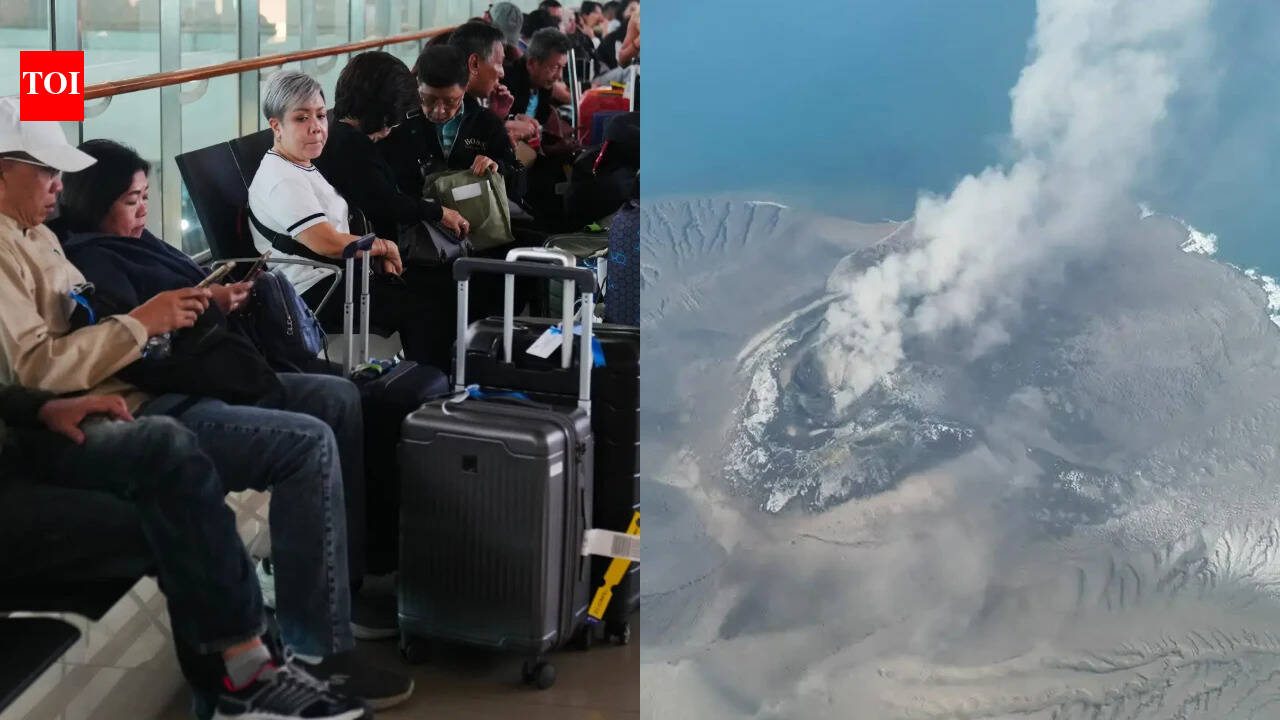
Indonesia Cancels Flights at Jakarta Airport, Others as Anak Krakatau Volcano Erupts
A sudden 30-second blast from the Anak Krakatau volcano sent massive ash plumes across Java and Sumatra, forcing the closure of six key airports and affecting 516 flight movements.
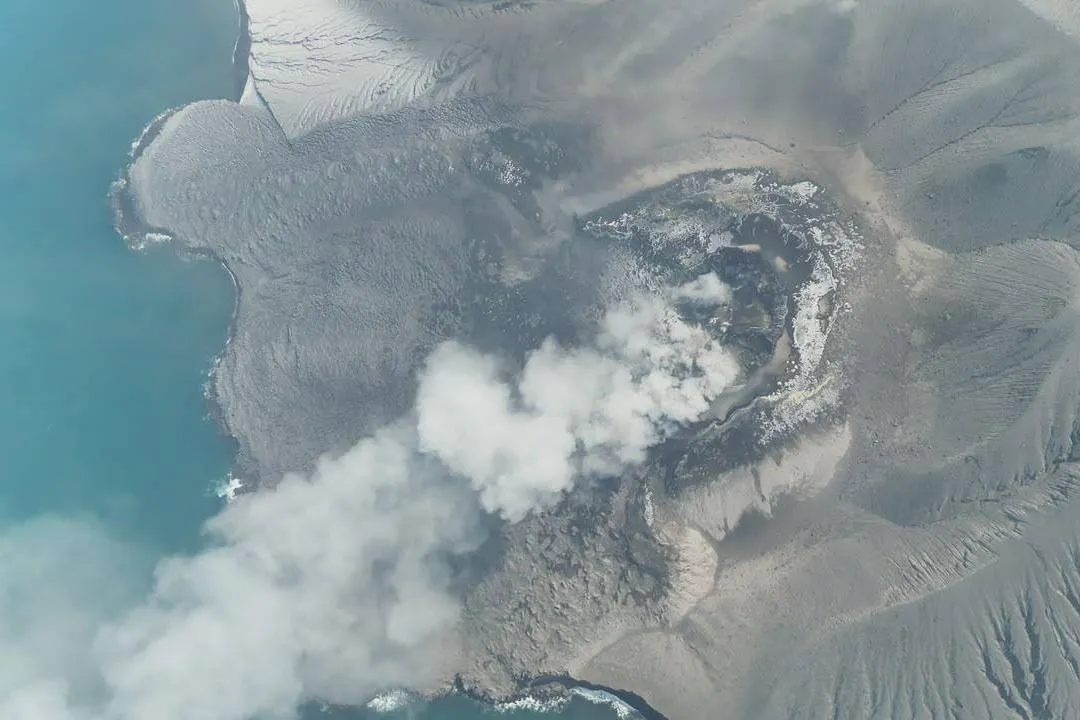
A 30-second eruption of Indonesia's Anak Krakatau volcano at 3:53 a.m. Local time on Sunday sending dual ash plumes thousands of feet into the atmosphere and paralyzing air travel across western Indonesia. Following sustained activity that began on Friday, the sudden blast forced the complete closure of Jakarta's Soekarno-Hatta International Airport as abrasive volcanic ash drifted across densely populated regions of Java and Sumatra.
The cascading disruptions left at least 22,800 passengers stranded at Soekarno-Hatta alone by mid-afternoon, where departure boards filled with cancellations and travelers crowded ticket counters to seek refunds and reclaim checked luggage.
Related YouTube video

Satellite Tracking and Regional Spread
According to Indonesia's Geological Agency and the Darwin Volcanic Ash Advisory Centre, satellite imagery revealed two distinct, massive ash clouds dispersing in multiple directions across the archipelago. The first plume rose to an altitude of 20,000 feet (6,100 meters), drifting northeast over Jakarta, Banten, West Java, and surrounding waters. A second, much denser cloud reached 50,000 feet (15,200 meters), spreading across Banten, Lampung, and Bengkulu provinces, the southern Sunda Strait, and sections of the Indian Ocean west of Sumatra.
Lana Saria, head of Indonesia's Geological Agency, noted in a video briefing that Sunday's eruption was the strongest recorded during the current period of unrest, which intensified in July. The repeated explosions indicate an active and ongoing supply of magma and volcanic gases beneath the surface. However, Saria cautioned that monitoring agencies cannot predict whether a larger eruption is imminent, emphasizing that evaluations rely on comprehensive data rather than simple eruption counts or ash column heights.
Airport Closures and International Impact
AirNav Indonesia and the Directorate General of Civil Aviation ordered the temporary closure of airspace around six key facilities, including Soekarno-Hatta and Halim Perdanakusuma in Jakarta, Radin Inten II Airport in Lampung, and hubs in Bali and Medan.
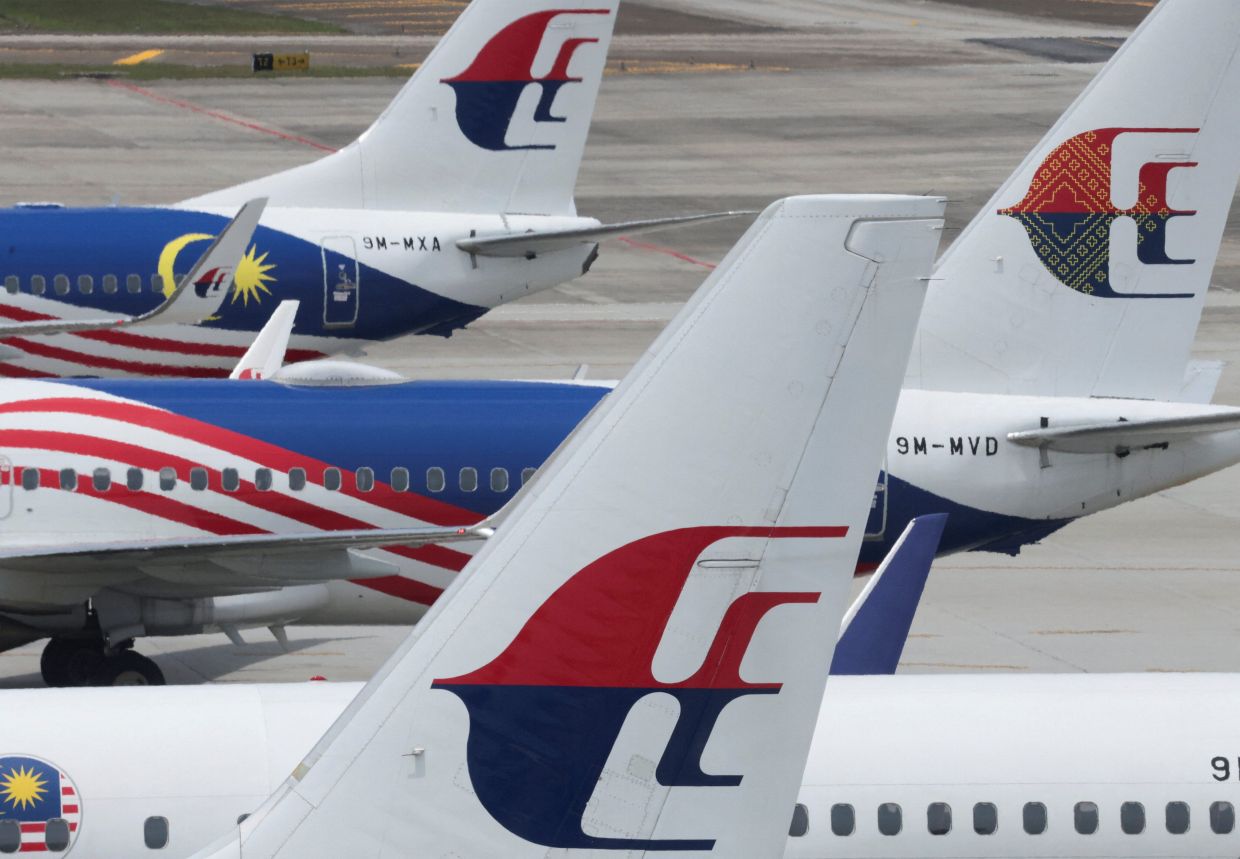
The aviation bottleneck rippled internationally. Malaysia Airlines cancelled a dozen flights linking Kuala Lumpur to Jakarta. Civil Aviation Director General Lukman F. Laisa reported that 16 international flights were cancelled, seven delayed, and five rescheduled, touching routes to Singapore, Hong Kong, Sydney, Seoul, Doha, and Amsterdam.
| Operational Metric | Reported Figure |
|---|---|
| Total affected flight movements | 516 |
| Flight movements affected at Soekarno-Hatta | 202 to 209 |
| Stranded passengers at Soekarno-Hatta | Approx. 22,800 |
| Cancelled Malaysia Airlines Jakarta flights | 12 |
| Affected flights at Sultan Hasanuddin Airport (Makassar) | 21 (12 cancelled, 9 delayed) |
| Cancelled flights at Lombok International Airport | 8 |
Domestic routes experienced severe fragmentation as well. At Sultan Hasanuddin International Airport in Makassar, South Sulawesi, 21 flights were disrupted, leaving passengers like Nurlia waiting hours for confirmation, as reported by Tempo. In West Nusa Tenggara, Zainuddin Abdul Madjid International Airport in Central Lombok canceled eight flights on the Jakarta and Lombok routes.
Local Conditions and Geological Context
Despite the high-altitude ash hazard, authorities maintained the volcano's alert status at Level III, or Siaga, without issuing a local evacuation order. The nearest human settlement sits more than 16 kilometers away from the crater, though officials enforced a mandatory three-kilometer exclusion zone. Local media outlet Kompas reported that residents and students in nearby areas suffered eye and respiratory irritation from ashfall, prompting several schools to suspend outdoor activities on Saturday, while regional fishermen opted to cancel their trips.
The disaster mitigation agency, BNPB, urged the public to remain calm while adopting precautions such as wearing masks, covering water sources, and exercising caution while driving through reduced visibility. Ferry services across the Sunda Strait between Merak and Bakauheni continued to operate under close observation by safety teams.
Anak Krakatau—literally translating to the child of Krakatau—occupies the caldera left by the monumental 1883 eruption of its predecessor. The island has remained reduced to approximately a quarter of its original mass following a catastrophic flank collapse in 2018 that generated an underwater landslide and a deadly tsunami.
Chronology of Eruptive Activity
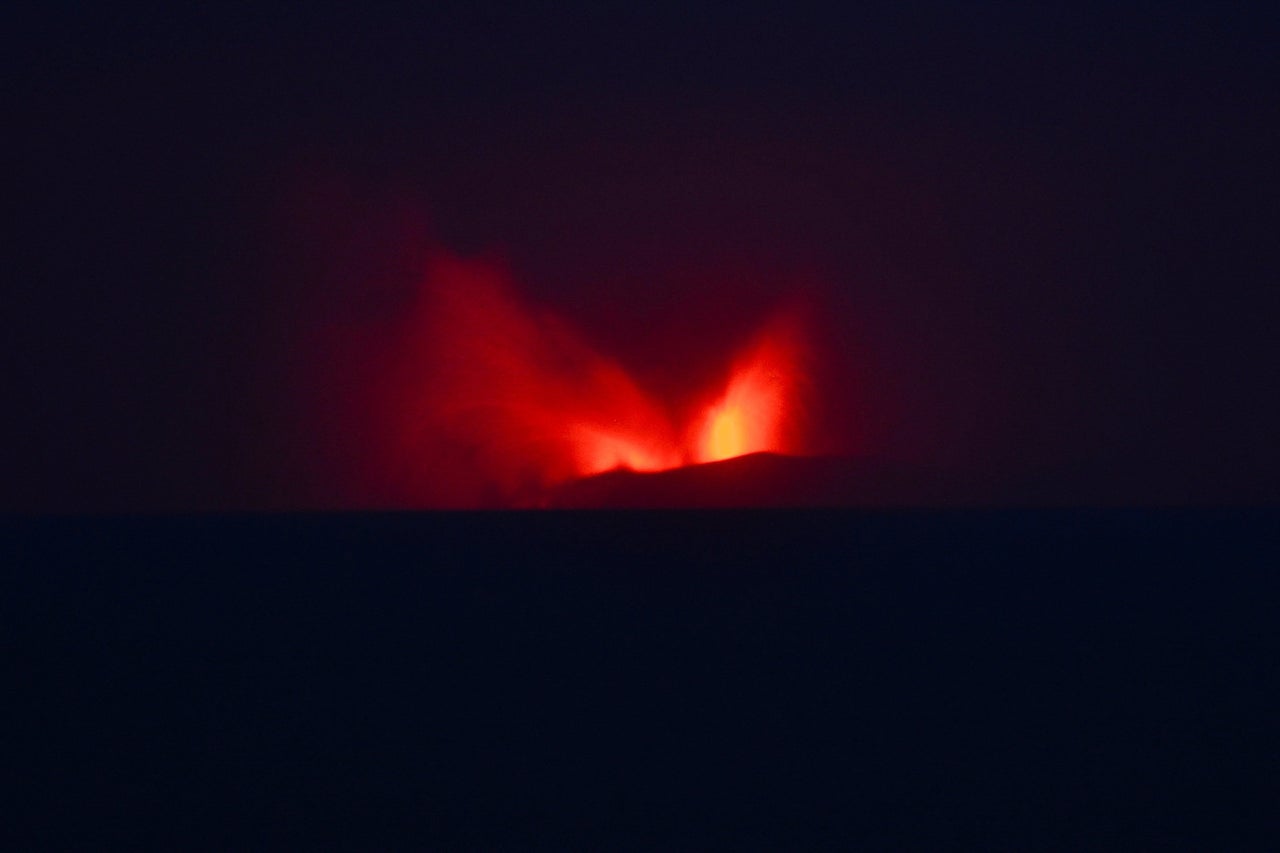
The current period of unrest began on July 2, with the volcano remaining at Level III, or Siaga, since that date. Leading up to the Sunday blast, the Geological Agency recorded continuous eruptive activity accompanied by rumbling starting at 11:07 p.m. Local time on Saturday, September 5. This activity, described as resembling a lava fountain with associated lava flows, was captured by closed-circuit cameras showing lava flares at the mountain.
The resulting aviation crisis at Soekarno-Hatta International Airport unfolded in stages. An initial precautionary closure was imposed from 1:30 a.m. To 5:30 a.m. On Sunday, September 6. The Directorate General of Civil Aviation subsequently extended this suspension to 9:30 a.m., and later to 1:30 p.m. Under NOTAM A3341/26, before the airport was ordered closed until at least 5:30 p.m.
The scale of the disruption extended to specific regional routes. According to Tempo, the Lombok-Jakarta corridor saw eight cancellations, including four departures from Lombok and four arrivals from Jakarta. At Zainuddin Abdul Madjid International Airport, officials noted that while operations remained normal, passengers were urged to monitor status updates as ash continued to impact aviation.
Civil Aviation Director General Lukman F. Laisa warned that the impact would not be limited to the initial closures. According to Jakarta Globe, the authority expects cascading disruptions to aircraft rotations, fleet availability, and terminal capacity.
Archypedia is dedicated to independent, evidence-backed reporting. This briefing was synthesized from primary source reporting, corroborated across independent newsrooms, and verified against our Editorial Standards.
Transparency record
Evidence behind this report
This report synthesizes 7 distinct sources. Open the source ledger below to compare the underlying coverage.
Prepared under the Archypedia Editorial Policy by the Samir Haddad editorial desk profile. AI-assisted tools may support drafting and verification; public accountability remains with Archypedia. Report an error.