Anak Krakatau Eruption Shuts Eight Indonesian Airports and Disrupst 1,558 Flights
The Indonesian government has activated five diversion hubs and initiated cloud seeding to clear volcanic ash after the eruption closed eight airports, including Jakarta's Soekarno-Hatta.

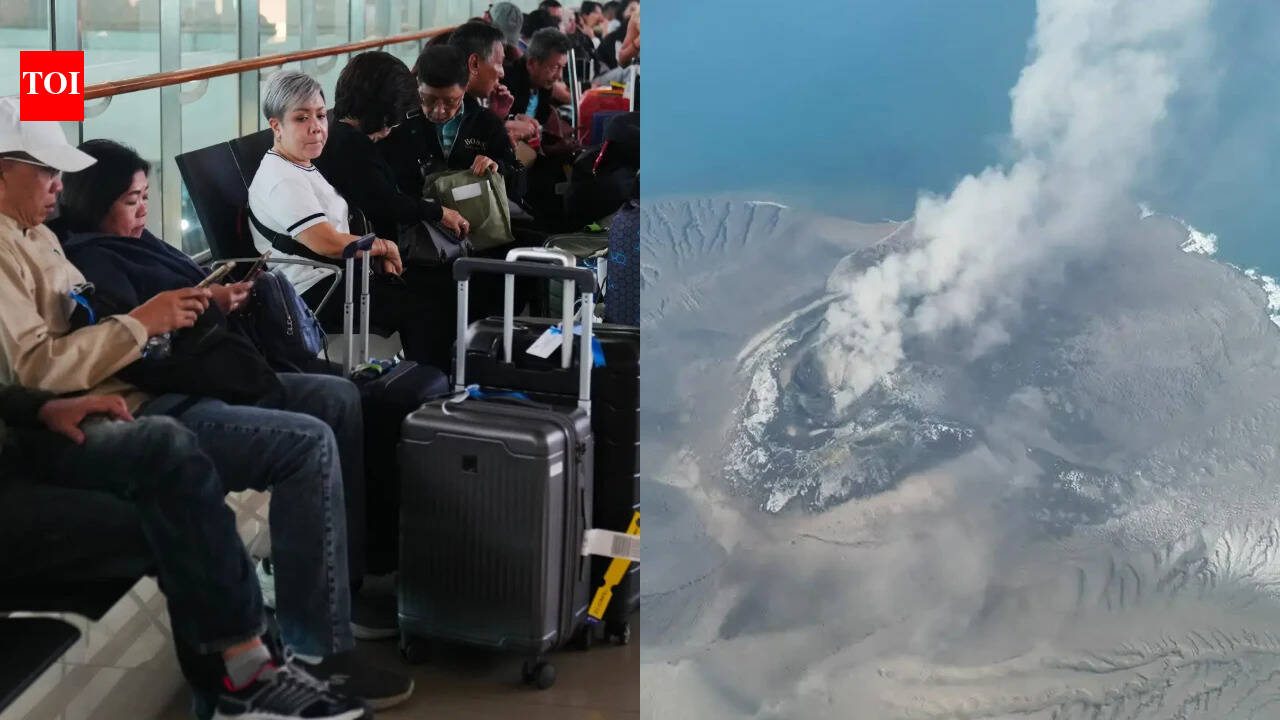
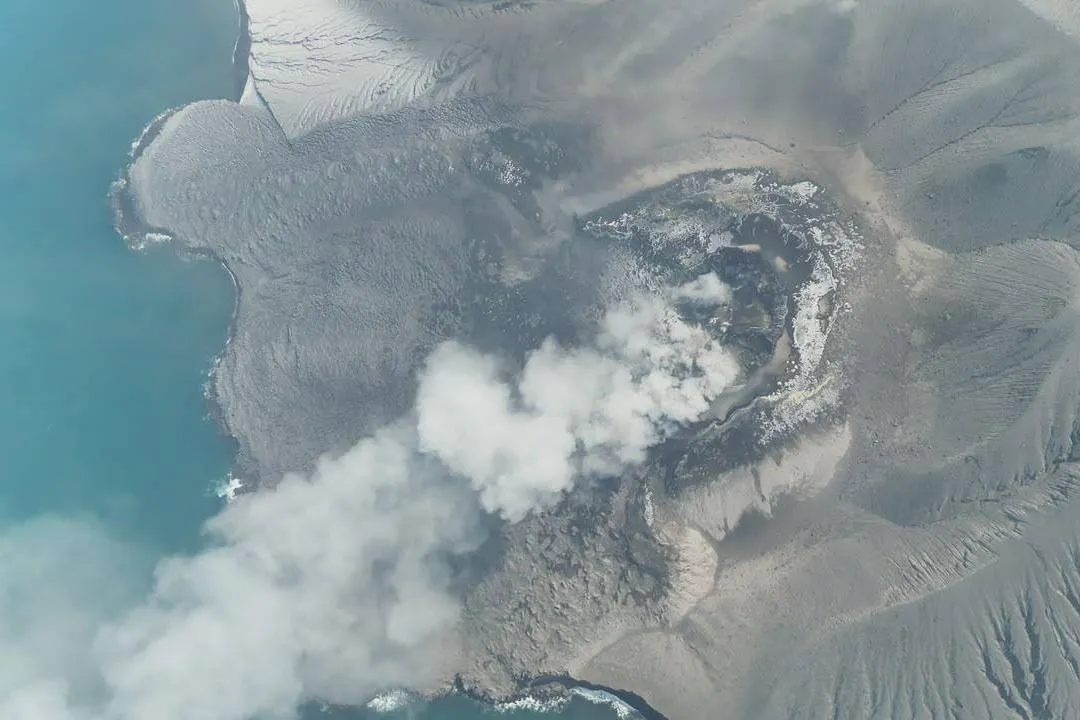
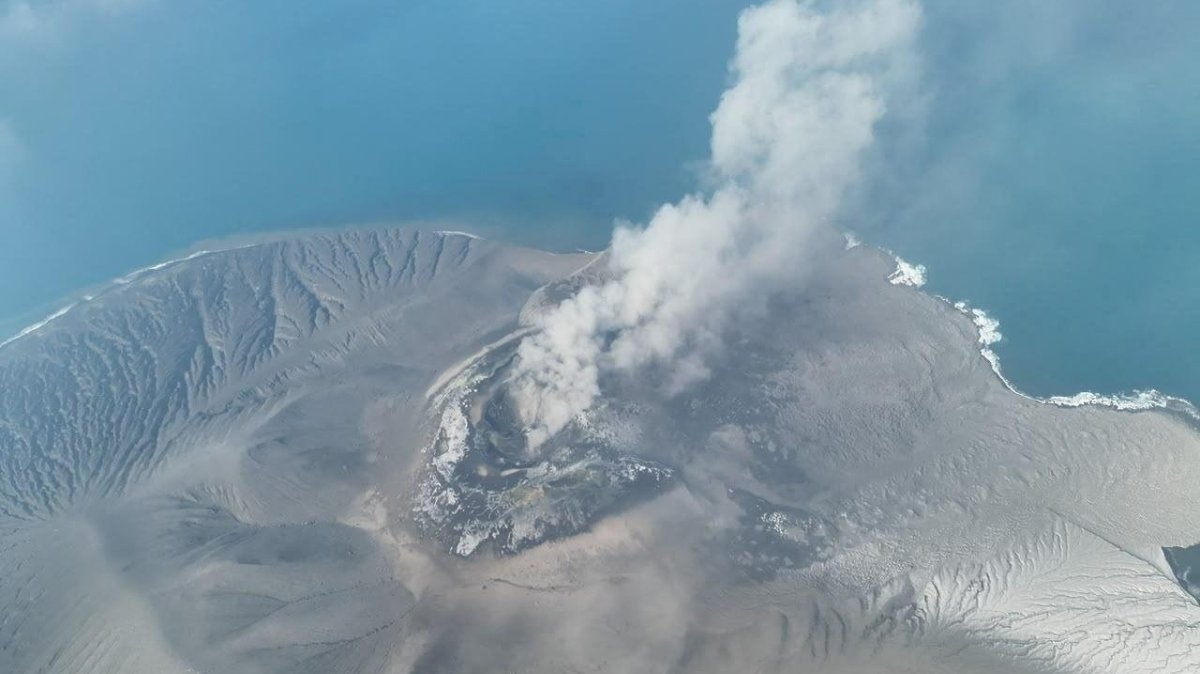
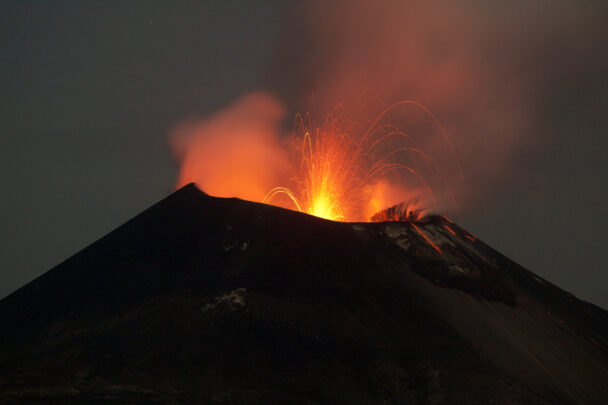
Approximately 170,000 passengers have been stranded and 1,558 flights disrupted after the eruption of the Anak Krakatau volcano paralyzed aviation across western Indonesia. The eruption, which began on Friday and intensified on Sunday, September 6, 2026, forced the immediate closure of eight airports, including Jakarta's primary international gateway, Soekarno-Hatta International Airport, and Halim Perdanakusuma Airport.
The Indonesian Transportation Ministry extended airport closures through midnight Sunday as volcanic ash continued to contaminate runways, triggering a ripple effect where flights at unaffected airports were cancelled or rerouted because their intended destinations remained inaccessible.
Related YouTube video
During a closure window between 1:30 a.m. And 9:30 a.m. On Sunday, Soekarno-Hatta recorded 209 cancelled movements involving 22,798 passengers. By the end of the day, the total number of affected flights at the hub reached 964, prompting Singapore Airlines, Malaysia Airlines, AirAsia, and Lion Air Group to cancel all Jakarta services for the remainder of the day.
Stranded passengers reported a breakdown in communication from carriers. Ersy Laksita Rini, 55, told Businessday that she only learned her 8 a.m. Flight to Surabaya was cancelled upon arriving at the airport.
"If the eruption happened last night and there were predictions of flight cancellations, we should have been notified from the start,"
Ersy Laksita Rini, passenger, via Businessday
To prevent a total collapse of national connectivity, the government shifted five airports to 24-hour operations to serve as diversion hubs. State airport operators are coordinating complimentary trains and buses for passengers transferred through these facilities.
| Alternative Airport | Location |
|---|---|
| Kertajati Airport | West Java |
| Ahmad Yani Airport | Semarang |
| Juanda Airport | Surabaya |
| Yogyakarta International Airport | Yogyakarta |
| Adi Soemarmo Airport | Solo |
The Mechanism of Ash Detection
The Transportation Ministry implemented a rigorous "paper test" protocol. Ground crews perform these tests every 30 minutes at all affected airports to detect minute traces of ash on the runway before clearing any aircraft for takeoff or landing.
The technical challenge intensified on Sunday when winds shifted from westward to eastward at approximately five knots at an altitude of 15,000 feet. Transportation Minister Dudy Purwagandhi explained that this shift forced the expansion of the 30-minute paper tests to airports east of the volcano’s plume to determine if contamination was spreading into new flight corridors.
Meteorological data revealed a stark difference in ash heights depending on the direction of the plume. The Meteorology, Climatology and Geophysics Agency (BMKG) reported heights of 6,000 meters on the Java side and up to 15,000 meters on the Sumatra side, while other reports indicated plumes reaching 50,000 feet.
Public Health and Weather Modification
In Banten and Lampung provinces, ashfall disrupted daily life, while in Cianjur, West Java — roughly 200km from the volcano — police were forced to distribute masks to motorists.
Health risks including eye irritation led several schools to cancel activities on Saturday. Consequently, the governors of Jakarta and Lampung ordered a transition to remote learning starting Monday. Residents were advised to cover water sources, use eye protection, and wear masks.
In an unconventional attempt to clear the atmosphere, the disaster mitigation agency (BNPB) initiated weather-modification operations on Sunday. BNPB chief Suharyanto stated that the goal of cloud seeding was to produce heavy rain to wash away the ash disrupting daily activities.
The Geological Threat of Anak Krakatau
Known as the "Child of Krakatau," the volcano emerged from the caldera of the original Krakatau volcano, which destroyed itself in 1883. That event triggered a period of global cooling and killed more than 36,000 people through tsunamis.
Current anxiety is rooted in the events of 2018, when a partial collapse of Anak Krakatau's southwest slope triggered an underwater landslide. The resulting tsunami killed more than 400 people across Java and Sumatra, and the island was reduced to about a quarter of its original size.
Authorities currently maintain the volcano at Level III (Alert), the second-highest warning level. While the BNPB has stated there is no imminent risk of a tsunami, and ferries in the Sunda Strait continue to operate provided they stay 3km from the crater, the geological outlook remains unstable.
Lana Saria, head of Indonesia’s Geological Agency, explained that while monitoring instruments may show declining activity, the repeated eruptions signal a continued supply of magma and volcanic gases beneath the surface. It remains uncertain whether this magma supply will trigger a larger eruption beyond the current alert status.
Archypedia is dedicated to independent, evidence-backed reporting. This briefing was synthesized from primary source reporting, corroborated across independent newsrooms, and verified against our Editorial Standards.
Transparency record
Evidence behind this report
This report synthesizes 5 distinct sources. Open the source ledger below to compare the underlying coverage.
Prepared under the Archypedia Editorial Policy by the Samir Haddad editorial desk profile. AI-assisted tools may support drafting and verification; public accountability remains with Archypedia. Report an error.