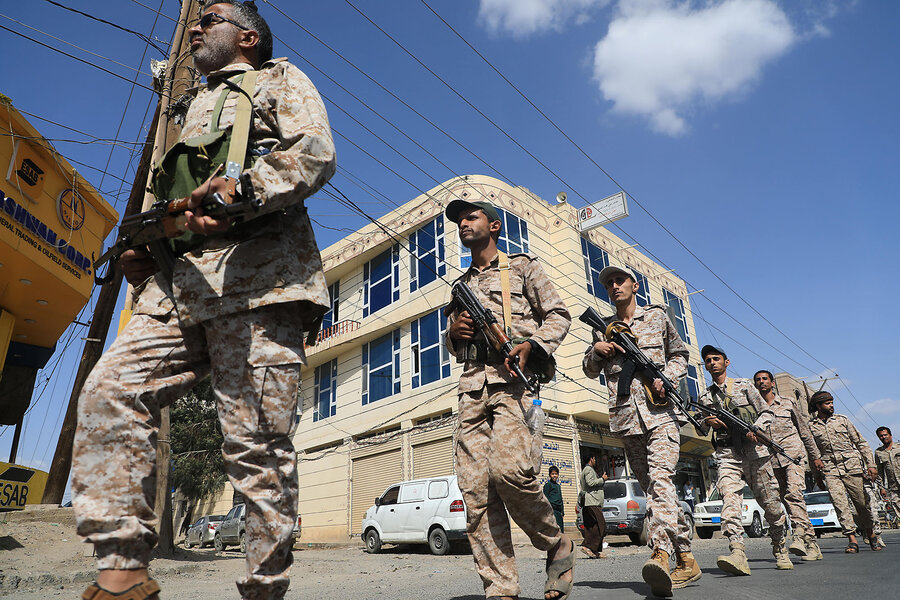
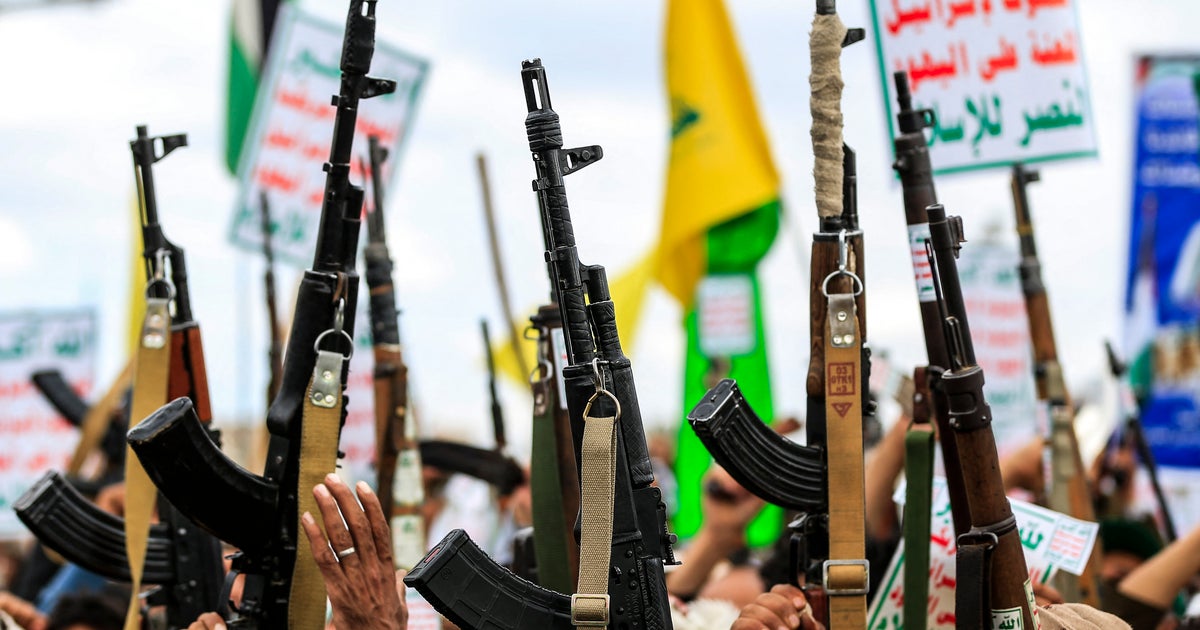
Houthis seize Yemen's Mocha port and strike Saudi Aramco facilities
The capture of Mocha places Houthi forces within 80 km of the Bab el-Mandeb Strait, threatening a primary route for Saudi oil exports amid energy disruptions.
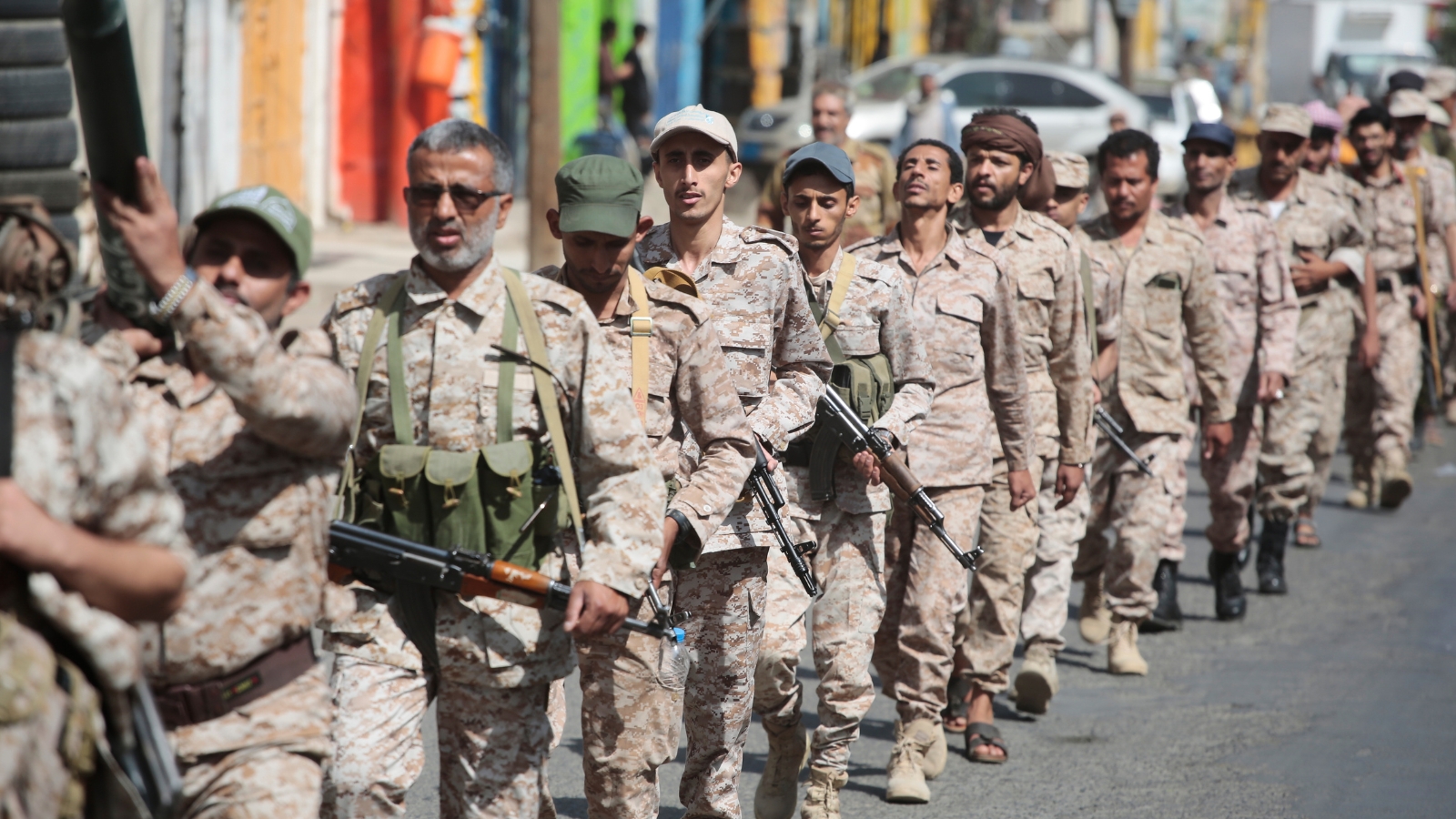
MOCHA — Brent crude prices climbed above $105 a barrel and U.S. Diesel prices surpassed $6 a gallon on Thursday, as Iran-aligned Houthi forces seized the strategic port city of Mocha, according to reporting outlets including Indianexpress, azernews.az, outlookindia.com, and ibtimes.sg. The takeover places the group within 80 km of the Bab el-Mandeb Strait, threatening to disrupt the primary alternative route for Saudi oil exports at a time when the Strait of Hormuz is already severely restricted.
The fall of Mocha, reported by four Yemeni government military sources to Reuters, marks the most significant territorial gain for the Houthis since the collapse of a 2022 UN-brokered truce in July 2026. The seizure creates a potential double-chokepoint crisis for global energy markets, as the Houthis expand their reach over the Red Sea coastline while the Revolutionary Guards Navy continues to disrupt traffic at the entrance to the Strait of Hormuz, as detailed across regional and international dispatches.
Related YouTube video
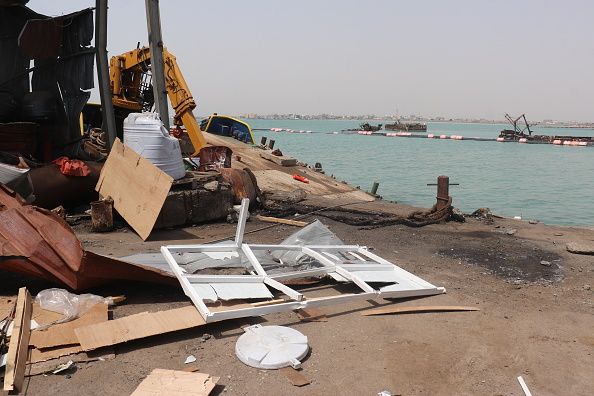

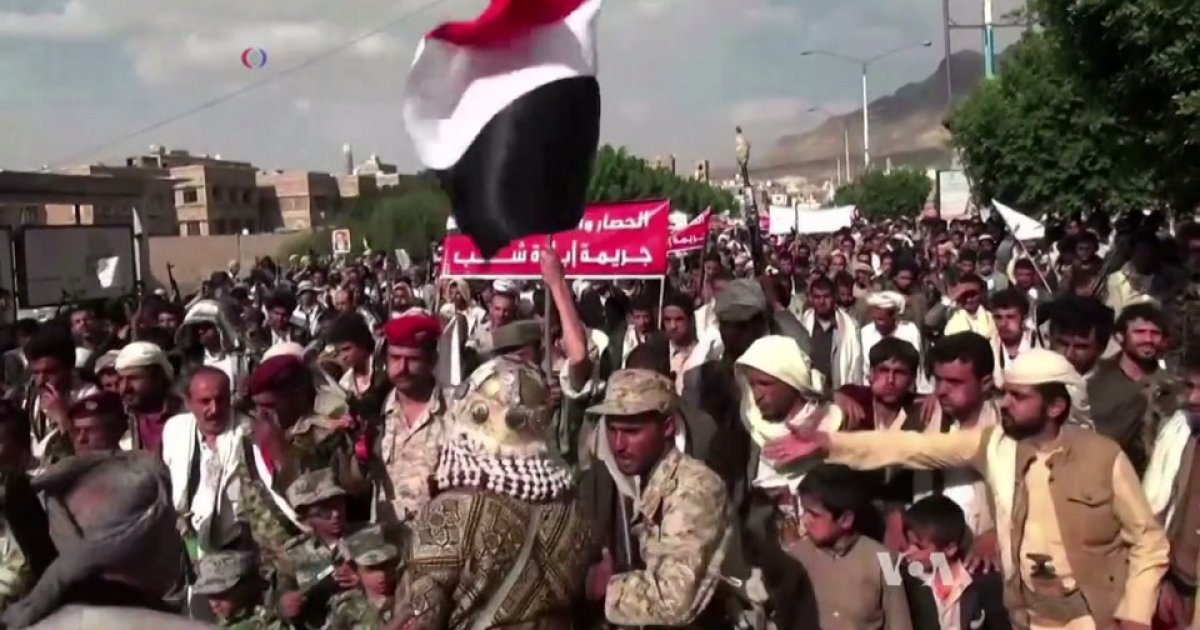
The Battle for the Red Sea Coast
The Houthi advance has forced government-aligned forces, including the Tareq Saleh-led National Resistance Forces, to relocate south toward Dhubab, as outlined by indianexpress.com and Ibtimes. This movement follows days of intense fighting over roads linking Taiz and Mocha, which Yemeni military officials identified as vital for military and supply movements.
The strategic geography centers on the Bab el-Mandeb Strait, a narrow passage roughly 18 miles wide at its narrowest point that connects the Red Sea to the Gulf of Aden. While the Houthis do not yet control the strait itself, their presence in Mocha and their push toward Dhubab and the Hanish Islands provides them with significant leverage over the maritime approaches, according to outlookindia.com and Azernews.
Approximately 7% of global oil output passes through this waterway, according to Reuters estimates cited by azernews.az and Outlookindia. The vulnerability of the route is compounded by the current state of the Strait of Hormuz; preliminary ship-tracking data showed only seven vessels crossed Hormuz on Wednesday, roughly half of the 10-day average, as reported by ibtimes.sg.
| Location | Strategic Role | Current Status |
|---|---|---|
| Mocha | Major resupply hub for government forces | Seized by Houthi forces |
| Dhubab | Position opposite Perim Island on the strait | Government forces relocating here |
| Perim Island | Direct control over Bab el-Mandeb traffic | Contested / High-risk target |
| Hanish Islands | Western coastline surveillance and reach | Houthi advance ongoing |
Infrastructure Attacks and the Human Toll
The territorial advance is paired with a campaign of strikes against Saudi Arabian infrastructure. On September 8, 2026, Houthi ballistic missiles and drones hit energy facilities linked to Saudi Aramco in Abha, Najran, and Jizan, as reported by indianexpress.com.
The strike on the Aramco distribution facility at Abha Bulk caused major operational stoppages. Saudi authorities reported that these attacks wounded 73 people, including women and children. In response, the city of Khamis Mushait issued four emergency alerts within a 24-hour window, according to ibtimes.sg.
The cost of the advance is evident in the displacement of civilians. According to Yemeni government data cited by Reuters and referenced in indianexpress.com, more than 20,000 people have been displaced from Taiz and Hodeidah over the last two weeks. In Mocha, hundreds of women and children fled the city on Thursday as Houthi forces entered and spread across the urban center.
The violence has intensified throughout August and September 2026:
- Aug 9-10: 7-8 killed and 26-30 wounded in Mocha strikes, per Yemeni military reports highlighted by indianexpress.com.
- Aug 15: At least 4 civilians killed in a missile strike on Mocha, according to the Yemeni government.
- Sept 5: 129 killed over two days of clashes near Bab al-Mandab, based on an AFP tally cited by indianexpress.com.
- Sept 6: Over 60 more killed, including 6 civilians in a bus strike.
The Proxy Conflict and Diplomatic Failure
The United States has described the Houthis as agents and tools of Iran
, a claim echoed by Yemeni government and regional sources who state the coastal advance was carried out under the direct guidance of Iran's Islamic Revolutionary Guard Corps, as detailed by indianexpress.com and ibtimes.sg.
The dispute over command is stark. A senior Iranian official told Reuters that Tehran does not control the Houthis, and the Houthi spokesman, Mohammed Abdulsalam, stated their operations are defensive. However, two other Iranian sources informed Reuters that Tehran had specifically instructed the attacks on Saudi Arabia and promised weapons and funding.
In response to the escalation, the U.S. Treasury Department launched Operation Economic Outcast
, imposing new sanctions on individuals and companies supporting Hezbollah and other Iranian-backed groups, according to ibtimes.sg. Diplomatically, Pakistan has acted as an intermediary, conveying a Saudi warning to Tehran requesting that it rein in the Houthis.
Frequently Asked Questions
Why did the loss of Mocha cause fuel prices to rise?
Saudi Arabia has been using the Red Sea as an alternative route for oil exports because the Strait of Hormuz is severely disrupted. The Houthi seizure of Mocha threatens the security of the Bab el-Mandeb Strait, the only exit from the Red Sea, creating a risk that Saudi exports could be blocked at both ends of the peninsula.
Do the Houthis control the Bab el-Mandeb Strait?
No. While they have seized the port of Mocha and are advancing toward Dhubab, they do not yet control the waterway itself. However, their proximity to the strait increases the risk to shipping and gives them greater leverage over maritime traffic.
What happened to the 2022 truce?
A UN-brokered truce that had largely prevented full-scale war since 2022 collapsed in July 2026, leading to the current surge in deadly clashes along the western coast.
The stability of the region now hinges on the remaining government strongholds along the coast. Yemen's Presidential Leadership Council has issued a specific warning regarding Perim Island, which lies directly on the strait, cautioning that if the Houthis seize the island, only a major international naval force would be capable of dislodging them, as reported by indianexpress.com.
Archypedia is dedicated to independent, evidence-backed reporting. This briefing was synthesized from primary source reporting, corroborated across independent newsrooms, and verified against our Editorial Standards.
Transparency record
Evidence behind this report
This report synthesizes 4 distinct sources. Open the source ledger below to compare the underlying coverage.
Prepared under the Archypedia Editorial Policy by the Samir Haddad editorial desk profile. AI-assisted tools may support drafting and verification; public accountability remains with Archypedia. Report an error.