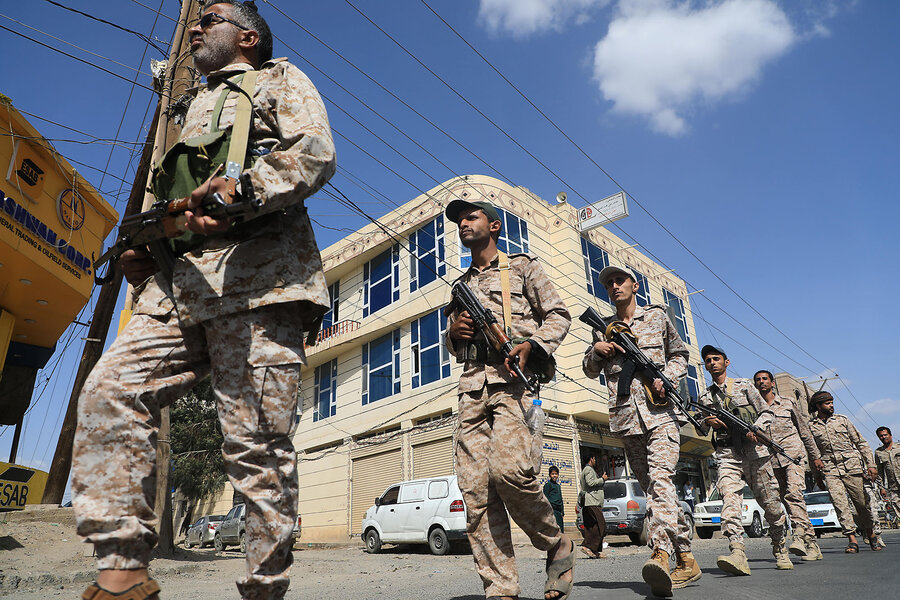
Saudi-led coalition says Houthi attacks injure 73 civilians
The escalation follows the collapse of a four-year truce and threatens critical oil export routes via the Bab al-Mandab Strait as Saudi Arabia bypasses the closed Strait of Hormuz.
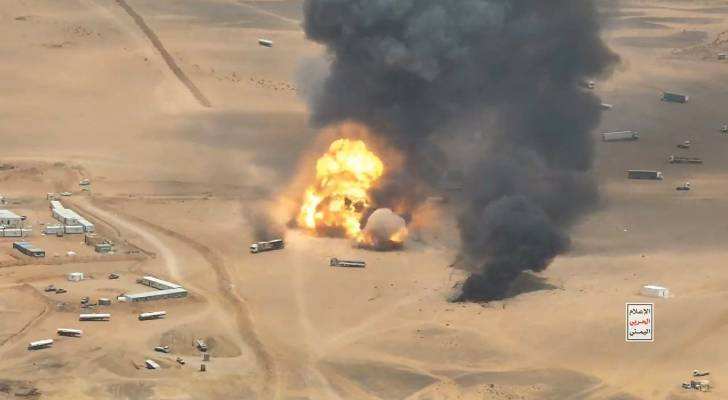
RIYADH — A wave of drone and missile strikes hit civilian and economic infrastructure across southern Saudi Arabia on Tuesday, leaving 73 people wounded and igniting fires that temporarily suspended operations at several oil facilities and utilities. The assault, launched by Iran-aligned Houthi rebels, marks the most severe cross-border attack since fighting reignited in July, according to reports from AP News and Yahoo News.
The immediate physical impact of the strikes — concentrated on cities including Abha, Jazan, Najran, and Khamis Mushait, sent immediate ripples through international commodities trading. Brent crude rose 1.2 percent to trade at $97.40 following the strikes, as Newsweek reported.
Related YouTube video

The Red Sea Chokepoint and the Alternative Route Trap
Normally, approximately one-fifth of the world's petroleum flows through the Strait of Hormuz. However, after the United States launched strikes on Iran and Tehran responded by closing Hormuz, Saudi Arabia sought to insulate its exports by rerouting millions of barrels per day across the Arabian Peninsula via its East-West pipeline to Red Sea terminals such as Yanbu.
This pivot placed unprecedented reliance on the Bab al-Mandab Strait and the southern Red Sea approaches. Data from the U.S. Energy Information Administration cited by Newsweek shows crude and petroleum liquids moving through Bab al-Mandeb surged to 8.1 million barrels per day in the second quarter of 2026, up from 5.4 million in the final quarter of 2025. Yet the Houthis have systematically targeted this exact maritime corridor and launched commercial shipping blockades.
Insurers responded by charging elevated war-risk premiums for Saudi-linked vessels, according to Lloyd's List reporting in August, forcing longer and costlier maritime detours even when physical barrels continued to flow.
From Truce Collapse to Ground Offensives
The current escalation stems from the unraveling of a four-year truce in July, which collapsed after the Houthis permitted an Iranian aircraft to land at Sanaa Airport in defiance of Saudi airspace controls. In the weeks following, fighting spread across Yemen’s flashpoint governorates. According to estimates from the United Nations International Organization for Migration reported by Yahoo News, recent clashes have displaced approximately 18,500 residents in Taiz and Hodeidah alone.
| Metric / Indicator | Reported Figure | Context |
|---|---|---|
| Civilian Injuries | 73 wounded | Resulting from Tuesday strikes on Abha, Jazan, Najran, and Khamis Mushait. |
| Bab al-Mandab Flow | 8.1 million barrels/day | Q2 2026 volume, up from 5.4 million in late 2025 via the East-West pipeline. |
| Displaced Residents | ~18,500 people | Displaced in Taiz and Hodeidah amid renewed ground offensives. |
| Brent Crude Benchmark | $97.40 per barrel | Rose 1.2 percent following the infrastructure attacks. |
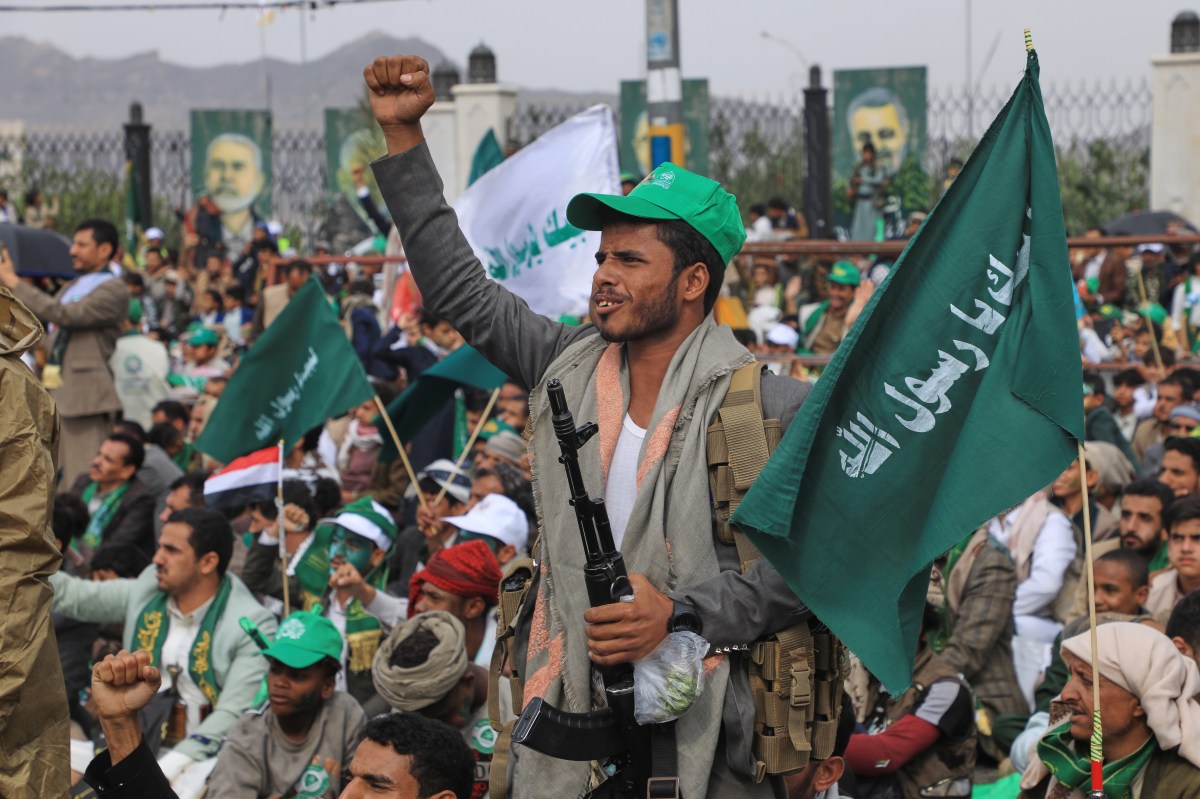
Houthi media representatives framed the latest cross-border barrage as direct retaliation for coalition military actions. Nasruddin Amer, deputy head of the Houthi media office, defended the strikes on social media, declaring that
"The Saudi enemy has to understand that the time for committing crimes and massacres against the Yemeni people without response, deterrence or paying a price has ended,"
Nasruddin Amer, deputy head of Houthi media office, via AP News
Hours before the drone attacks, the group accused Riyadh of executing airstrikes that struck a prison in the northern Yemeni province of Jawf. Houthi sources provided conflicting casualty counts for the jail strike in the city of Hazem: the rebels initially reported at least seven people killed, including a child, while the Jawf province civil defence chief quoted by Almasirah TV claimed 11 people were killed and 20 inmates remained missing under the rubble.
Competing Narratives and Regional Security Architectures
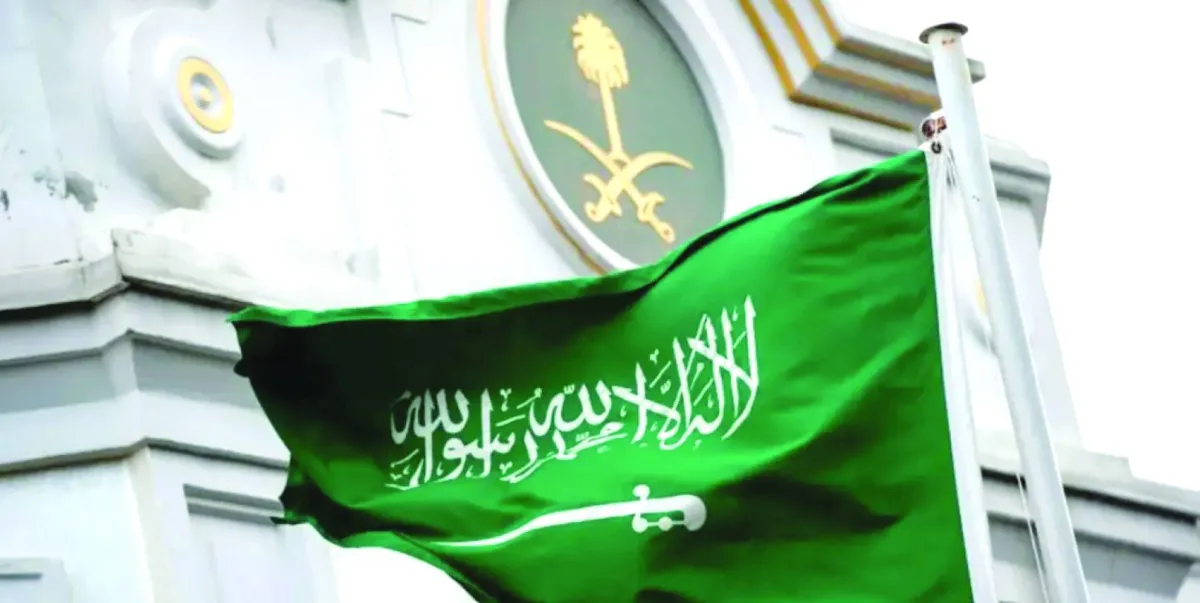
The official response from Riyadh and its regional partners characterized the assault as a terrorist campaign. In a formal statement, the Saudi Foreign Ministry condemned the strikes and demanded an immediate halt to maritime threats. Gulf Cooperation Council Secretary General Jasem Mohamed Albudaiwi described the operation as a flagrant violation of all international laws and norms
that disregarded civilian security, according to Asharq Al-Awsat.
During a panel at the Security and History Dialogue 2026 Conference in Riyadh, regional experts contextualized these threats within a broader web of alliances. Journalist Abdulrahman Al-Rashed noted that Saudi Arabia faces hostile vectors from multiple directions, directly from Iran, as well as from Iraq and Yemen, prompting the Kingdom to cultivate layered defense partnerships with states such as Pakistan and Türkiye.
International relations researcher Joseph Kechichian observed that while Riyadh maintains traditional security backstops with Western powers like the United States and the United Kingdom, its diplomatic posture has evolved toward a pragmatic diversification. This strategy includes outreach to China, Russia, and countries of the Global South to safeguard national infrastructure and promote regional stability.
Frequently Asked Questions
How do Houthi attacks on southern Saudi Arabia affect global oil and U.S. Gas prices?
When drones and missiles strike Saudi processing facilities or disrupt transit through Red Sea chokepoints like the Bab al-Mandab Strait, global markets price in immediate supply risks. These risk premiums elevate the cost of Brent crude, which can subsequently push retail gasoline prices higher in import-dependent markets like the United States.
Why is the Red Sea route critical to Saudi oil exports?
Saudi Arabia uses its East-West pipeline to pump crude across the peninsula to Red Sea terminals such as Yanbu. This infrastructure serves as an essential alternative export path when geopolitical blockades close the Strait of Hormuz, making the security of Yemen's western coast vital for uninterrupted global oil flows.
The immediate trajectory of the conflict now rests on the promised response from the Joint Forces Command of the Saudi-led coalition. Maj. Gen. Turki al-Malki has vowed that the Command will take all necessary operational measures
to neutralize the sources of the threat and deter the Houthi militia, leaving the region to wait on the specific nature and timing of the coalition's military retaliation.
This escalation coincides with a broader Houthi push to seize government-held territory along the Red Sea's southern gateway. While the group does not yet directly control the coastal areas overlooking the Bab al-Mandab Strait, they maintain control of the port city of Hodeidah and have repeatedly attacked Saudi vessels in the Red Sea in recent weeks, according to reporting by Roya News.
Archypedia is dedicated to independent, evidence-backed reporting. This briefing was synthesized from primary source reporting, corroborated across independent newsrooms, and verified against our Editorial Standards.
Transparency record
Evidence behind this report
This report synthesizes 5 distinct sources. Open the source ledger below to compare the underlying coverage.
Prepared under the Archypedia Editorial Policy by the Samir Haddad editorial desk profile. AI-assisted tools may support drafting and verification; public accountability remains with Archypedia. Report an error.