
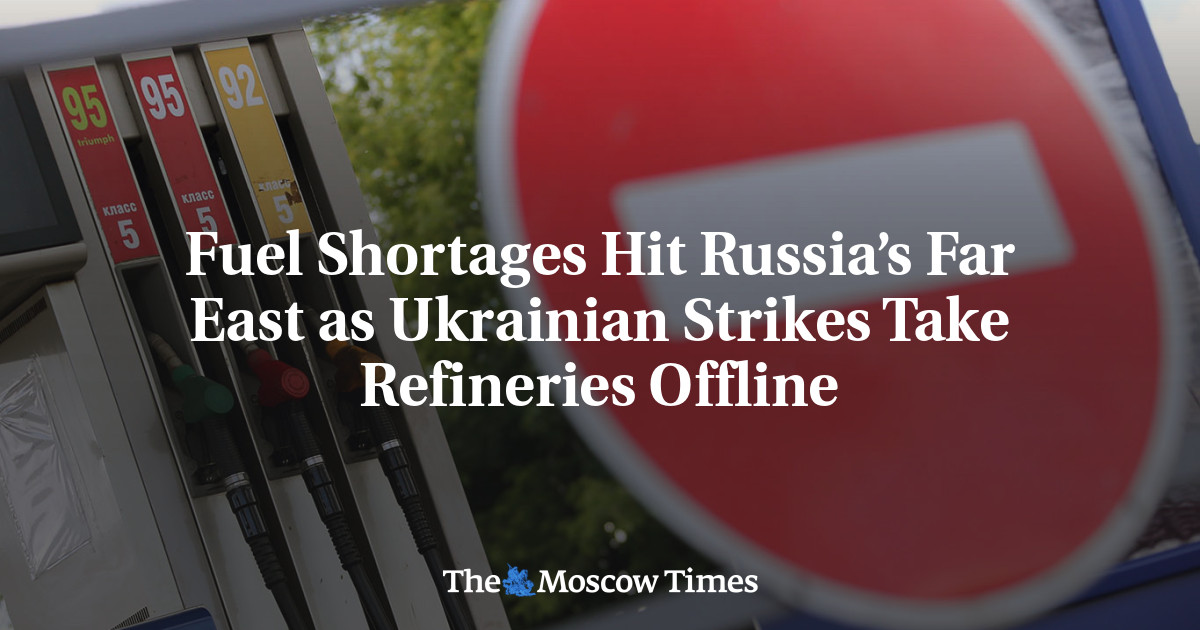
Ukraine’s latest drone strikes on Russian energy infrastructure have plunged Moscow into fuel shortages and deepened the war’s economic toll, with officials acknowledging disruptions across Russia’s largest cities while Kyiv frames the attacks as proportional retaliation for Moscow’s earlier strikes on Ukrainian refineries.
Fast Facts
- Targeted strikes: Ukrainian drones hit a Moscow refinery and a Krasnodar region oil storage facility on Sept. 15, causing fires and fuel supply chain disruptions.
- Retaliation context: Ukraine’s President Volodymyr Zelenskyy explicitly linked the attacks to Russia’s earlier strikes on Ukrainian refineries in Lavra, calling them a “justified response.”
- Regional impact: Crimea’s fuel supplies are nearly exhausted, with reports of shortages in both Moscow and St. Petersburg.
- Historical precedent: The strikes mark the first time Ukraine has directly targeted Moscow’s energy infrastructure since the war began.
Why Ukraine’s Strikes on Moscow’s Refinery Matter More Than Just Symbolism
Ukraine’s precision strikes on Russian energy facilities—including a Moscow refinery and a Krasnodar oil depot—have sent shockwaves through Russia’s war economy, exposing vulnerabilities in its fuel distribution system. While Moscow has long dismissed Ukrainian drone capabilities as limited, the attacks forced officials to acknowledge shortages in key cities, including the capital, where residents reported long lines at gas stations.

According to local media reports, the strikes on Sept. 15 came days after Russia targeted Ukrainian refineries in Lavra, a move Kyiv’s leadership condemned as escalatory. Ukrainian President Volodymyr Zelenskyy framed the response as proportional, stating in a public address that “Ukraine is not seeking war, but we will defend ourselves with all available means.” His remarks underscored a deliberate shift in Kyiv’s strategy: rather than focusing solely on frontline engagements, Ukraine is now directly targeting Russia’s economic lifelines.
A video released by Ukraine’s military showed the aftermath of the Krasnodar strikes, where drone fragments ignited a fire at a major oil storage facility. While Russia’s Defense Ministry dismissed the damage as minor, independent observers noted the facility’s strategic importance, describing it as a key transit point for fuel supplies to southern military units.
How Russia’s Fuel Crisis Exposes a War of Attrition
The immediate impact of the strikes extends beyond Moscow. Reports from Crimea—annexed by Russia in 2014—indicate that fuel reserves are nearly depleted, with local authorities scrambling to reroute limited supplies. In St. Petersburg, drivers faced waits of up to three hours at gas stations, a stark contrast to Russia’s pre-war fuel abundance.
Analysts point to the strikes as evidence of Ukraine’s evolving asymmetric warfare tactics. Unlike earlier campaigns that relied on long-range artillery or HIMARS strikes, the use of drones—often homegrown or modified—has allowed Kyiv to bypass Russia’s air defenses and strike high-value targets with minimal risk. “This isn’t just about hitting a refinery,” said Maria Shagina, a defense analyst at the International Institute for Strategic Studies (IISS). “It’s about sending a message: Russia’s economy is not invulnerable.”
Russia’s response has been muted compared to past escalations. While Moscow typically retaliates with missile strikes on Ukrainian energy infrastructure, this time officials have focused on downplaying the damage. The Kremlin’s restraint may reflect internal recognition that further escalation could provoke broader international condemnation—or worse, force Russia to divert scarce resources to defend its own fuel supply chains.
What’s Next: A Fuel War with No Clear Endgame
With both sides now locked in a tit-for-tat campaign over energy infrastructure, the risk of further escalation remains high. Ukraine’s military has signaled it will continue targeting Russian fuel depots, while Moscow has vowed to “protect its critical assets” without specifying how. The immediate challenge for Kyiv is sustaining its drone campaign; Russian air defenses, though overstretched, have begun intercepting more incoming strikes.
For now, the conflict’s economic dimensions are overshadowing military developments. The strikes on Moscow and Krasnodar have reinforced a grim reality: neither side is winning a decisive battle, but both are inflicting measurable pain. As winter approaches, the stakes will rise. If Ukraine can disrupt Russia’s fuel supplies further, it may gain leverage in negotiations—or provoke a Russian response that changes the war’s trajectory entirely.
One thing is certain: the battle for fuel is far from over.
