
Cabo Verde’s national team goalkeeper Vozinha has sparked controversy ahead of the 2024 Copa América by publicly requesting gloves modeled after the iconic Mexican design, a move that has reignited debates over cultural representation in international football.
The 29-year-old, who plays for Sporting CP in Portugal, posted on social media that he wanted to wear gloves inspired by the traditional Mexican hand-painted designs—a style famously adopted by players like Guillermo Ochoa and Javier Hernández. His request, made through his personal account, has drawn both support and criticism, with some fans questioning whether the gloves would clash with Cabo Verde’s national identity.
Why the Gloves Matter: A Clash of Tradition and Identity
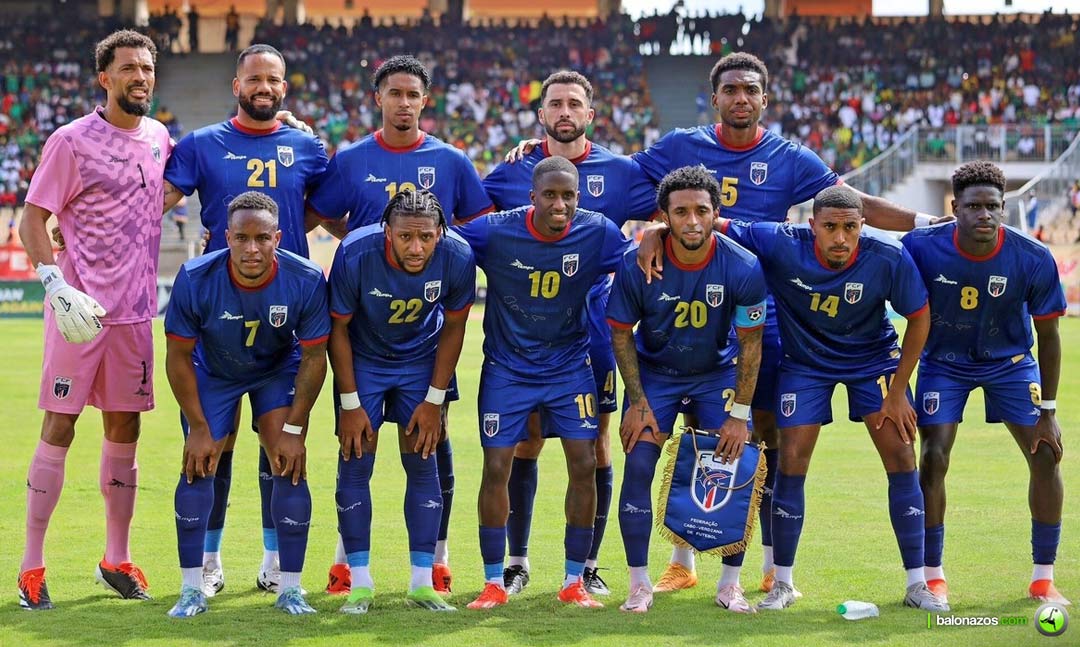
Vozinha, whose real name is Vozinha da Silva, has long been a symbol of Cabo Verde’s growing influence in global football. The request comes as the Tubarões Azuis prepare for their first-ever Copa América appearance, where they will face heavyweights like Brazil and Argentina. His choice of gloves—typically associated with Mexican culture—has led to discussions about how athletes balance personal expression with national representation.
According to local media reports, Cabo Verde’s football federation has not yet responded to Vozinha’s request. However, team officials have historically prioritized uniforms that reflect the country’s Crioulo heritage, often incorporating blue and white colors with minimal external influences. Vozinha’s gloves, if approved, would mark a rare exception to this tradition.
How the Request Unfolded: Social Media and Fan Reactions
Vozinha’s post, shared on Instagram and X (Twitter), included images of the gloves alongside a message in Portuguese and Spanish: “I want to represent Cabo Verde with pride, but also my roots. These gloves are part of my story.”
Reactions have been divided. Some supporters praised his boldness, arguing that football should embrace individuality. Others, however, questioned whether the gloves would overshadow Cabo Verde’s distinct identity. A fan comment on Vozinha’s post read: “We’re proud of you, but don’t forget where you come from.”
In contrast, Mexican football fans have rallied behind Vozinha, with hashtags like #VozinhaYLosMexicanos trending. The gloves, hand-painted with intricate patterns, are a staple in Mexican football culture, often seen during matches and celebrations.
What’s Next for Vozinha and Cabo Verde?
The Copa América begins on June 20, with Cabo Verde set to open their campaign against Uruguay on June 22. Whether Vozinha’s gloves will be approved remains unclear, but his request has already made headlines across Latin America and beyond.
If granted, the gloves would not only be a fashion statement but also a cultural one, blending two footballing nations in an unprecedented way. For Cabo Verde, this moment could redefine how the team presents itself on the world stage—balancing heritage with modernity.
Meanwhile, Vozinha’s request has also opened a broader conversation about athlete autonomy in international competitions. As football becomes more globalized, players like him are increasingly pushing for personal expression within the constraints of national representation.
