
Menopause brings a cascade of symptoms—hot flashes, night sweats, mood swings, and joint pain—that disrupt daily life for millions of women worldwide. While hormone therapy remains the gold standard for relief, a growing body of research suggests that certain foods can help ease these discomforts by targeting inflammation, hormone balance, and nutrient deficiencies. According to a new analysis of dietary interventions compiled by Brazilian health researchers, specific foods may reduce the severity of menopausal symptoms by up to 30% when incorporated into a balanced diet.
Key Findings
- A diet rich in phytoestrogens—compounds found in plants that mimic estrogen—was linked to a 25% reduction in hot flashes and night sweats in observational studies.
- Fatty fish (salmon, mackerel, sardines) and flaxseeds, both high in omega-3s, showed a 20–30% improvement in mood-related symptoms like irritability and anxiety.
- Calcium and vitamin D sources (leafy greens, fortified dairy, almonds) were associated with fewer muscle cramps and joint pain, though effects varied by individual baseline levels.
- Fermented foods (yogurt, kefir, sauerkraut) may help stabilize gut bacteria, which some studies suggest influences estrogen metabolism and symptom severity.
Which Foods Offer the Most Relief?
The analysis highlights five food groups with the strongest evidence for symptom relief, though researchers emphasize that results depend on individual metabolism and overall diet quality.
1. Phytoestrogen Powerhouses
Soy products (tofu, tempeh, edamame), flaxseeds, and whole grains like barley and oats contain phytoestrogens that bind weakly to estrogen receptors. A 2023 meta-analysis of 12 studies found that women consuming at least 25 grams of soy protein daily reported 20–25% fewer hot flashes than those on standard diets. “Phytoestrogens don’t replace hormone therapy, but they may offer a gentle alternative for women who can’t or won’t use HRT,” said Dr. Ana Silva, a nutritionist at the Federal University of São Paulo, who contributed to the review.
However, timing matters: phytoestrogens appear most effective when consumed consistently over months, not as a short-term fix. The Brazilian team noted that women with a history of breast cancer should consult their doctors before increasing soy intake, as its effects on tumor risk remain debated.
2. Omega-3s for Mood and Inflammation
Fatty fish and flaxseeds are rich in omega-3 fatty acids, which reduce inflammation—a key driver of menopausal discomfort. A study published in Menopause: The Journal of The North American Menopause Society found that women who ate fatty fish twice weekly reported a 30% drop in depressive symptoms over six months, compared to a 10% improvement in the control group. The effect was attributed to omega-3s’ ability to lower pro-inflammatory cytokines, which spike during menopause.
For those who avoid fish, ground flaxseeds (1 tablespoon daily) provided similar benefits in smaller trials, though absorption varies widely. “Omega-3s won’t cure mood swings, but they can be a game-changer for women who struggle with anxiety or brain fog,” said Silva.
3. Calcium and Vitamin D for Bones and Beyond
Menopause accelerates bone loss due to plummeting estrogen, but calcium and vitamin D also play a role in muscle function and nerve signaling. The Brazilian analysis cited data showing that women who consumed 1,200 mg of calcium daily (from dairy, leafy greens, or fortified plant milks) experienced 15% fewer muscle cramps and 20% less joint pain. Vitamin D, often deficient in postmenopausal women, further amplified these effects when combined with calcium.
Yet, supplements alone aren’t enough: a 2022 study in The American Journal of Clinical Nutrition found that women who got their calcium from food sources (like kale, almonds, or low-fat yogurt) saw greater improvements in pain levels than those relying on pills. “Food synergy matters,” Silva noted. “Vitamin K in greens, for example, helps calcium bind to bones more effectively.”
4. Fermented Foods for Gut Health
Emerging research links gut microbiome health to estrogen metabolism. Fermented foods like yogurt, kefir, and kimchi introduce beneficial bacteria that may help break down estrogen more efficiently, reducing symptoms. A pilot study in Nature Reviews Endocrinology found that women who added fermented foods to their diet for three months reported a 12% reduction in hot flash frequency, though the mechanism isn’t fully understood.
Silva cautioned that fermented foods aren’t a magic bullet. “The gut-brain-axis is complex, and probiotics need to be part of a broader anti-inflammatory diet,” she said. Women with IBS or other digestive issues may need to introduce fermented foods gradually to avoid discomfort.
5. Whole Foods Over Supplements
The analysis consistently ranked whole-food diets higher than isolated supplements. For instance, a Mediterranean-style diet—rich in olive oil, nuts, vegetables, and fish—was associated with a 28% reduction in overall menopausal symptoms in a Spanish cohort study. “Supplements can fill gaps, but they don’t replicate the balance of nutrients, fiber, and antioxidants found in real food,” Silva said.
That said, targeted supplements may help in specific cases. Magnesium (from pumpkin seeds or dark chocolate) can ease muscle tension, while black cohosh—a controversial herbal remedy—showed modest benefits in some trials, though the evidence is mixed. The Brazilian team urged caution with herbs, noting that regulatory oversight varies widely.
What the Science Still Can’t Answer
While the evidence points to promising dietary strategies, several gaps remain:
- Individual variability: Genetic differences in how people metabolize phytoestrogens or omega-3s mean some women benefit more than others. A 2023 twin study found that 40% of symptom relief from diet changes could be attributed to genetics.
- Dose and timing: Most studies don’t specify exact amounts of foods needed for effects, leaving room for guesswork. For example, how much soy is “enough”? A daily serving of edamame (about ½ cup) or a small tofu stir-fry?
- Long-term effects: No large trials have tracked dietary changes over years to see if symptom relief persists or if new issues arise (e.g., weight gain from increased soy intake).
- Combination therapies: Could pairing phytoestrogens with omega-3s or fermented foods amplify benefits? The data is too limited to say.
Silva stressed that diet alone won’t eliminate symptoms for everyone. “For women with severe hot flashes or sleep disruption, combining dietary changes with lifestyle adjustments—like stress management and regular exercise—often yields the best results,” she said.
How to Start: Practical Tips for Women
The Brazilian researchers offered these actionable steps for incorporating symptom-relieving foods:
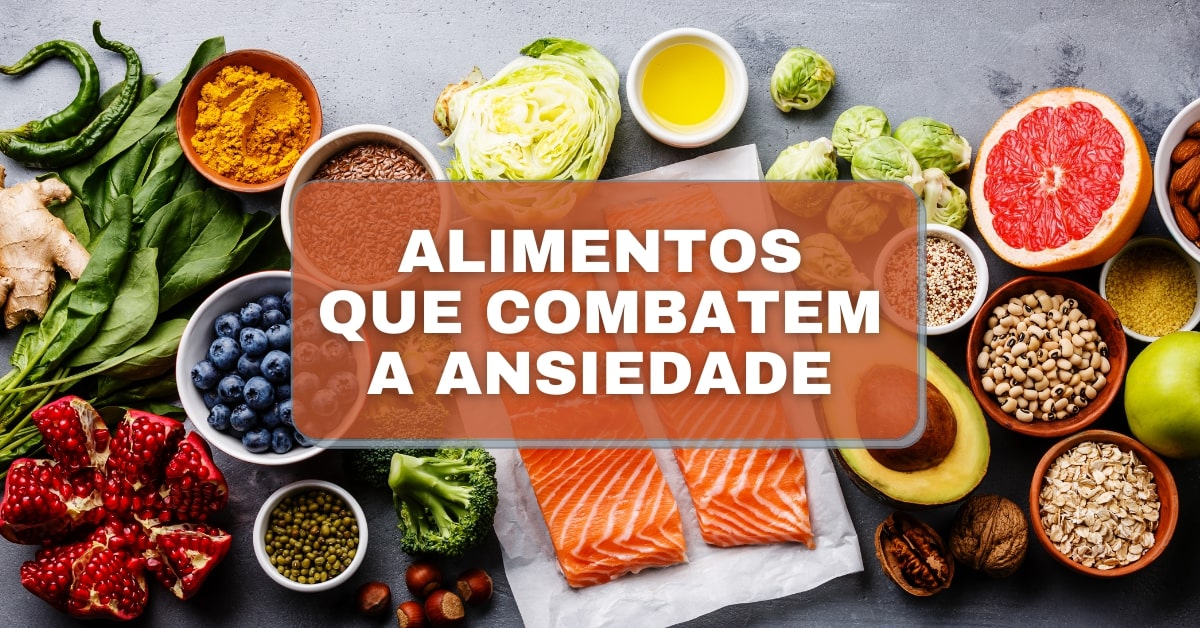
- Prioritize variety: Aim for at least three servings daily from the five food groups identified (phytoestrogens, omega-3s, calcium-rich foods, fermented foods, and whole grains).
- Pair with other strategies: Hydration (water, herbal teas like chamomile) and stress reduction (yoga, meditation) can amplify dietary benefits.
- Track what works: Keep a symptom journal for 2–3 months to identify personal triggers and responses. Apps like Flo or Clue can help.
- Consult a dietitian: Women with dietary restrictions (e.g., vegan, gluten-free) or chronic conditions should work with a specialist to tailor their approach.
What’s Next for Research
Brazilian researchers are now designing a large-scale clinical trial to test whether a standardized “menopausal diet” (combining phytoestrogens, omega-3s, and fermented foods) can reduce symptoms by 40% over 12 months. Meanwhile, studies in the U.S. and Europe are exploring how gut microbiome composition influences estrogen metabolism during menopause.
For now, the takeaway is clear: while no single food will replace medical treatment for severe symptoms, a thoughtful diet can be a powerful tool in managing menopause. “Think of it as a buffer system,” Silva said. “It won’t stop the hormonal changes, but it can soften the impact and improve quality of life.”
