
Swedish authorities have launched an investigation into pop singer Pernilla Wahlgren for allegedly violating the country’s strict alcohol advertising laws, marking a rare enforcement action against a high-profile public figure in a nation known for its tight controls on booze promotion.
The probe, announced by Swedish media regulators, follows a complaint filed after Wahlgren, a 44-year-old veteran of the country’s music industry, was seen in a promotional video for a liquor brand. Under Swedish law, alcohol advertisements are banned on television and radio, and even indirect endorsements by celebrities can trigger penalties if they are deemed to encourage consumption.
Why This Case Stands Out in Sweden’s Alcohol Advertising Crackdown
Sweden’s regulations on alcohol marketing are among the strictest in Europe, designed to combat high rates of substance abuse and underage drinking. The country’s Alcohol Advertising Council has long enforced a zero-tolerance policy for ads targeting young audiences, and celebrities caught in violations face fines or, in extreme cases, criminal charges. Wahlgren’s case is unusual because it involves a well-known artist whose work has historically aligned with mainstream commercial interests.
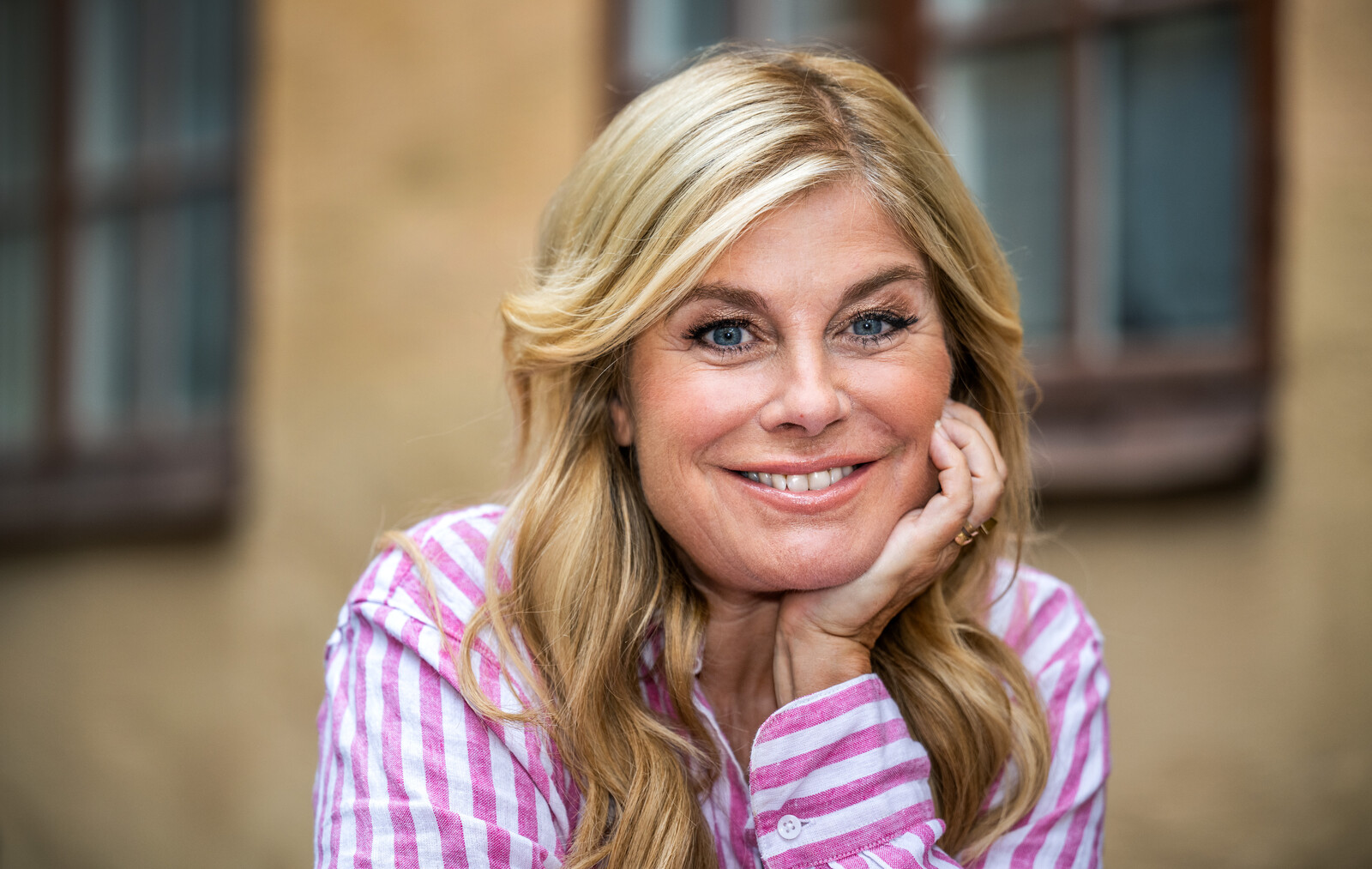
According to local media reports, the investigation centers on a 2023 video campaign for a mid-range vodka brand, where Wahlgren appeared in a lighthearted skit promoting the product. While the video did not explicitly urge viewers to drink, regulators argue it crossed the line by associating the brand with her public persona—a tactic often used to bypass advertising restrictions.
How Sweden’s Laws Compare to Neighboring Countries
Sweden’s approach is stricter than that of its Nordic neighbors. Finland, for example, permits alcohol ads on TV but bans them during children’s programming. Norway allows limited ads for beer and wine, while Denmark imposes fewer restrictions on spirits. The Swedish model, rooted in public health priorities, has drawn praise from health advocates but criticism from businesses arguing it stifles free expression.
A spokesperson for the Swedish Alcohol Advertising Council told reporters the investigation would assess whether Wahlgren’s involvement constituted an “indirect endorsement” under the law. “Celebrities have a responsibility to avoid actions that normalize alcohol use,” the spokesperson said. “We take these cases seriously to uphold public health standards.”
What Happens Next for Wahlgren and the Industry
Wahlgren has not publicly commented on the investigation, but her team has reportedly expressed surprise at the probe, given her past compliance with advertising guidelines. If regulators determine she violated the law, she could face fines—though exact penalties have not been disclosed. The case may also prompt a broader review of how indirect celebrity endorsements are policed in Sweden’s alcohol sector.
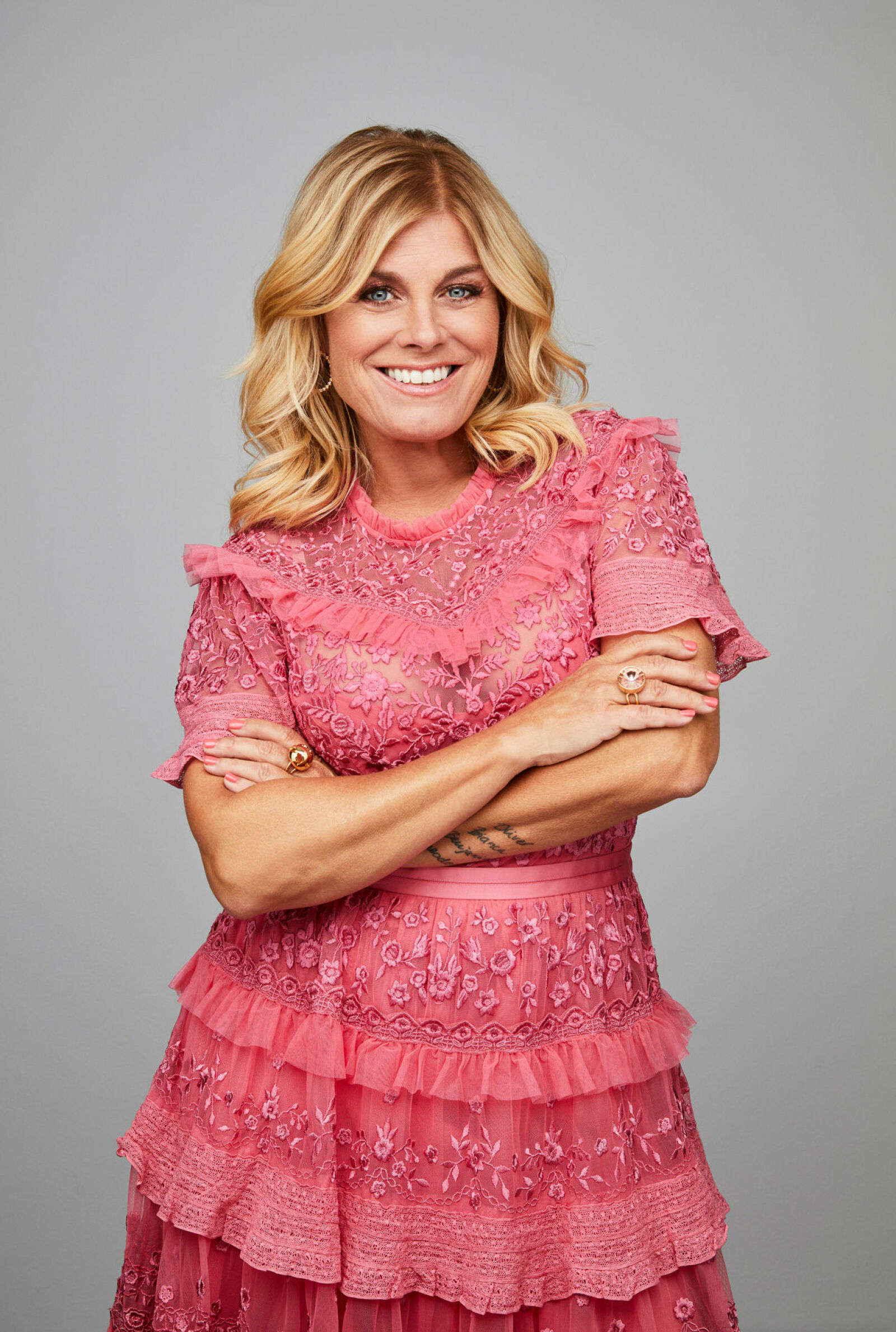
Industry observers note that the investigation sends a signal to other artists and brands operating in Sweden. “This could set a precedent for how future collaborations are structured,” said Erik Lindberg, a media law expert at Stockholm University. “Companies will need to be more cautious about how they leverage public figures in alcohol promotions.”
For now, the focus remains on whether Wahlgren’s appearance—intended to boost brand awareness—will be seen as crossing the legal line in a country where alcohol advertising is treated as a matter of public safety.
