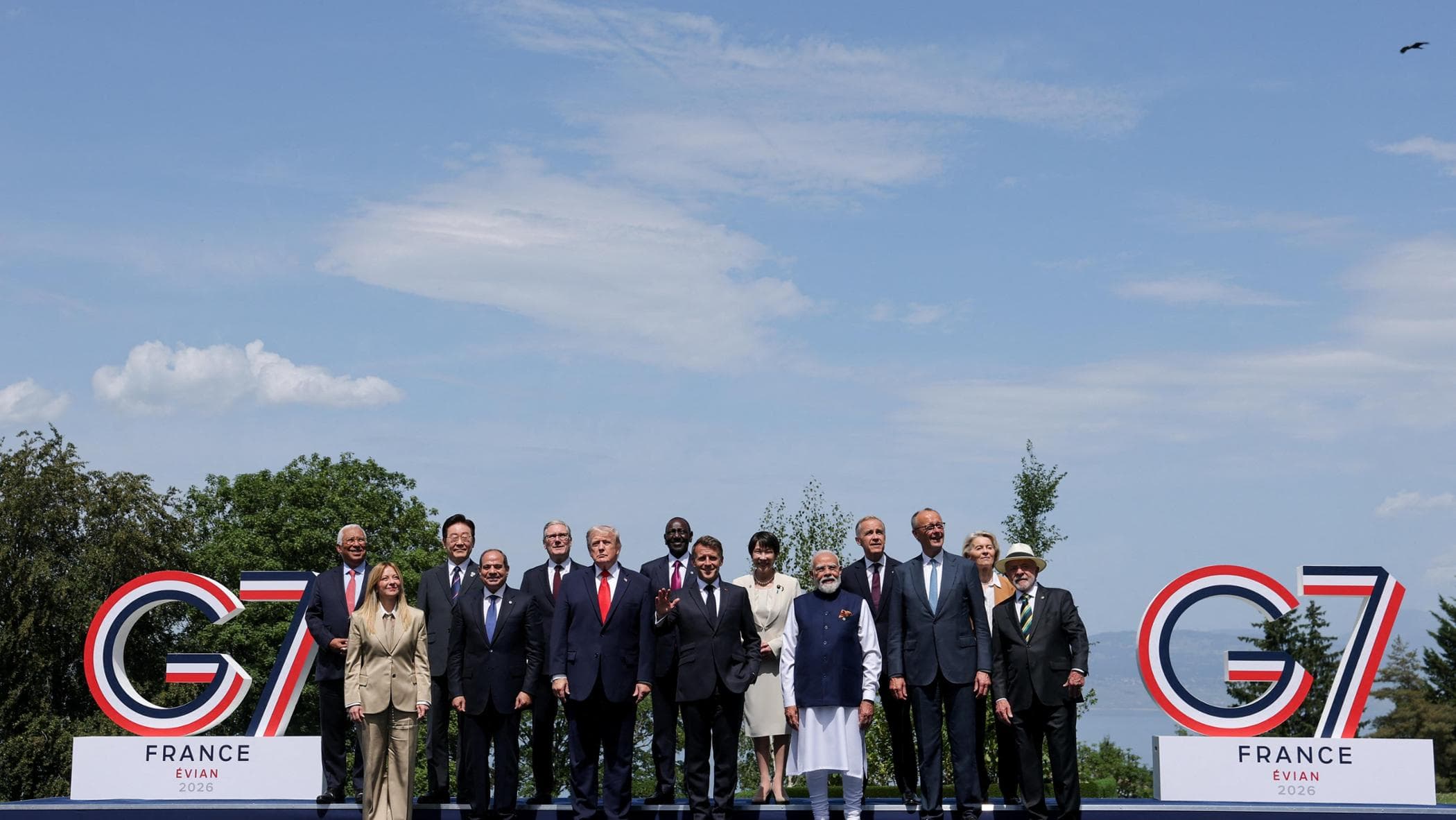
The G7 summit in Evian, France, has placed Ukraine at the forefront of discussions, with former U.S. President Donald Trump meeting Ukrainian President Volodymyr Zelensky and signaling a potential return of sanctions on Russian oil exports.
In a closed-door meeting, Trump emphasized that “Russia must make a deal,” according to multiple reports from Italian and French media outlets. The remarks came as Western leaders grapple with how to sustain pressure on Moscow amid stalled negotiations and continued Russian strikes on Ukrainian infrastructure.
What Trump and Zelensky Discussed
Trump’s comments—delivered during a private conversation with Zelensky—highlighted a shift in focus toward Ukraine, where Russian forces have intensified attacks on energy facilities in recent weeks. The former president suggested that new sanctions, including those targeting Russian oil, could be reinstated “soon,” according to Italian news agency ANSA.
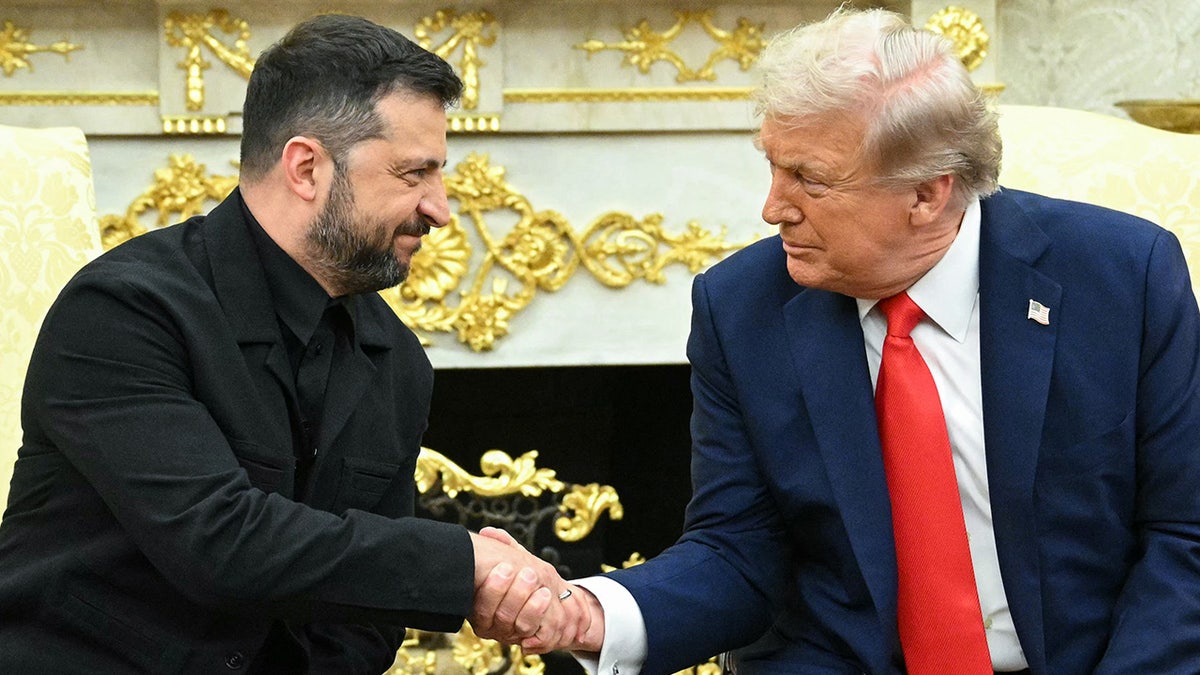
French President Emmanuel Macron, who hosted the G7 meeting, also engaged with Zelensky, reinforcing Western unity on the conflict. However, no official joint statement was released, leaving the specifics of Trump’s proposals unclear.
How Sanctions Could Reshape the Conflict
Russia’s ability to evade Western oil sanctions has weakened their impact, with Moscow redirecting exports to Asia and other markets. A return to stricter measures—particularly on refined petroleum products—could further isolate Russia economically, though analysts warn of potential backlash from countries like India and China, which have increased purchases of Russian fuel.
In parallel, a Russian airstrike on a Moscow-area oil refinery—reported by Italian daily Il Sole 24 Ore—underscores the escalating tensions. The attack, which caused minor damage, marks one of several recent strikes on Russian energy infrastructure, raising questions about whether Moscow is retaliating against Western sanctions or testing Ukrainian capabilities.
International Reactions and Next Steps
Trump’s call for a diplomatic solution contrasts with Zelensky’s insistence on a military victory, a divide that has complicated Western strategy. While the G7 reaffirmed support for Ukraine, internal divisions over aid packages and long-term commitments remain.
According to Italian media, Trump also stated that “now we must concentrate on Ukraine,” signaling a potential pivot in U.S. policy if he returns to office. The timing of any new sanctions remains uncertain, but European officials have indicated openness to revisiting restrictions if Russia fails to engage in negotiations.
For now, the focus remains on whether the G7 can align on a unified approach—or if internal disagreements will further delay decisive action.
