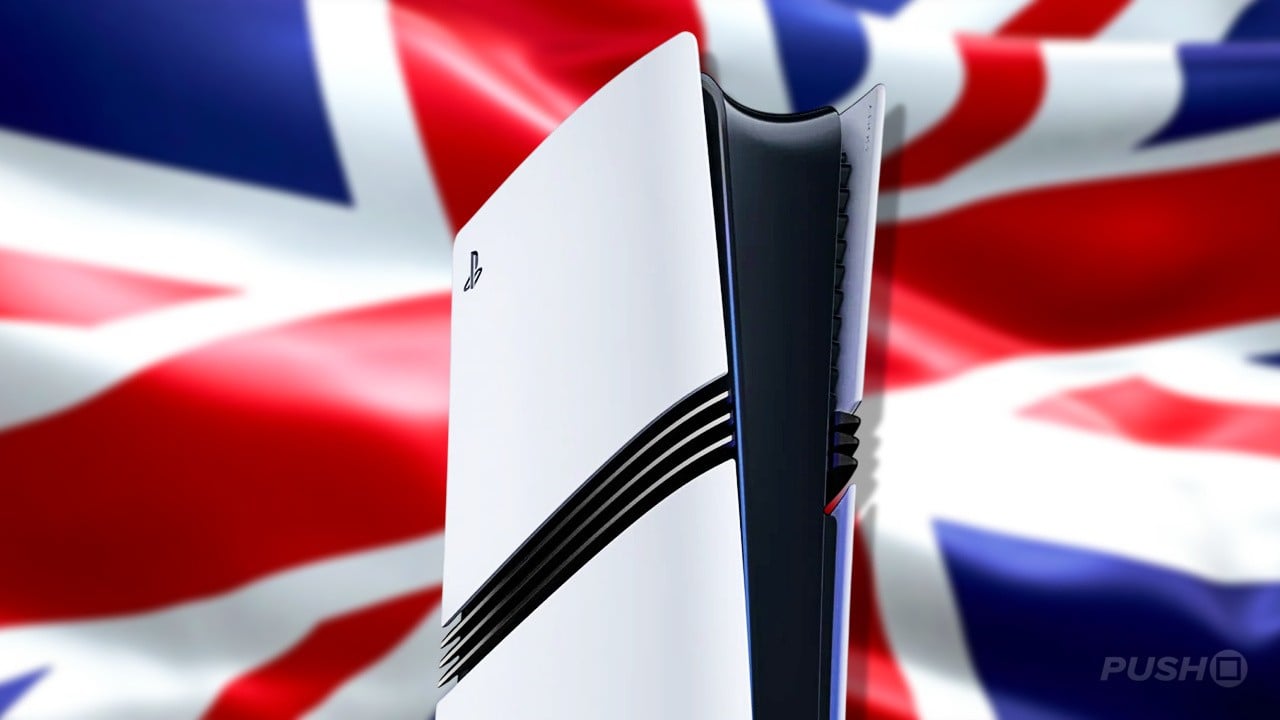
PS5 Price Hike Has Flushed UK Hardware Sales Down the Toilet – Push Square: Analyzing the Market Crash
The gaming landscape in the United Kingdom has been jolted by a sudden and severe correction in hardware demand. Recent market data indicates a startling downturn in the popularity of Sony’s flagship console, leading many industry observers to suggest that the PS5 Price Hike Has Flushed UK Hardware Sales Down the Toilet – Push Square and other reports have highlighted a precipitous drop in consumer appetite. What was once a dominant force in the living rooms of British gamers is now facing a reality check as the intersection of corporate pricing strategies and a volatile cost-of-living crisis creates a perfect storm for hardware slump.
For months, the PlayStation 5 maintained a commanding lead over its primary competitor, the Xbox Series X|S, in the UK market. However, a strategic decision to increase the retail price of the hardware has seemingly hit a psychological ceiling for consumers. The result has been a dramatic contraction in sales volume, with some reports suggesting a dip as steep as 50% in specific monthly windows. This shift is not merely a statistical anomaly; It’s a reflection of a shifting economic paradigm where the perceived value of a gaming console is being weighed against tightening household budgets.
The Anatomy of a Sales Collapse: What Happened in the UK?
The narrative surrounding the current state of the PS5 in the UK is one of rapid descent. For the first few years of its lifecycle, the console suffered from supply shortages, which created an artificial scarcity and a desperate hunger among the gaming community. Once supply stabilized, Sony appeared to have the upper hand. However, the introduction of price increases—intended to offset rising production costs and currency fluctuations—has triggered an adverse reaction from the UK public.
The core of the issue lies in the timing and the magnitude of the price adjustment. In a market already struggling with inflation, a price hike on a luxury electronic item can act as a deterrent. When the cost of entry for a new generation of gaming rises, the “wait-and-see” approach becomes the default for the average consumer. This has led to a scenario where hardware sales have plummeted, in some instances reaching levels previously associated with the lower-selling Xbox consoles in the region.
| Metric | Pre-Price Hike Trend | Post-Price Hike Trend | Impact Level |
|---|---|---|---|
| Monthly Sales Volume | Steady Growth/High Volume | Significant Decline (up to 50%) | Critical |
| Market Lead (vs Xbox) | Dominant Gap | Narrowing Margin | High |
| Consumer Sentiment | High Anticipation | Price Sensitivity/Hesitation | Moderate to High |
The “May Slump” and Statistical Realities
Industry data from May painted a particularly grim picture. While hardware sales often fluctuate seasonally, the drop witnessed in the UK was far beyond the norm. A 50% reduction in sales is rarely the result of a natural market dip; it typically signals a systemic issue. In this case, the correlation between the price increase and the sales drop is too strong to ignore. Consumers who were on the fence about upgrading their hardware suddenly found the cost prohibitive, leading to a mass exodus from the checkout page.
This collapse is particularly poignant because it suggests that Sony may have overestimated the “brand loyalty” premium. While the PlayStation brand is incredibly strong, it is not immune to the laws of price elasticity. When the price rises beyond a certain threshold, the demand drops—sometimes exponentially.
The Economic Drivers Behind Sony’s Pricing Strategy
To understand why Sony implemented a price hike that seemingly backfired, one must look at the broader macroeconomic environment. Sony is a Japanese conglomerate, and its financial health is deeply tied to the exchange rate between the Japanese Yen (JPY) and other major currencies like the US Dollar (USD) and the British Pound (GBP).
The Yen has experienced significant volatility and devaluation in recent years. For a company that designs hardware in Japan but sells globally, currency swings can erode profit margins rapidly. If the cost of components increases or the value of the currency in which they sell the product drops relative to their home currency, Sony is forced to make a choice: absorb the loss or pass the cost on to the consumer.
“The tension between maintaining corporate profit margins and ensuring consumer accessibility is the central conflict of the current console generation. In the UK, the consumer has effectively signaled that they are no longer willing to shoulder the burden of global currency instability.”
The Impact of the UK Cost-of-Living Crisis
Beyond the corporate balance sheets, the UK is currently navigating one of the most challenging economic periods in recent memory. With energy bills, food prices, and rent skyrocketing, discretionary spending has taken a massive hit. A gaming console is the definition of a discretionary purchase.
- Reduced Disposable Income: Families are prioritizing essentials over entertainment.
- Psychological Thresholds: There is a mental “price ceiling” for consoles (often around £450-£500). Crossing this threshold makes the purchase feel like a major financial commitment rather than a hobbyist upgrade.
- Alternative Entertainment: The rise of high-end mobile gaming and PC gaming (via Steam Deck or similar handhelds) provides viable alternatives for those priced out of the PS5 ecosystem.
When the narrative emerges that the PS5 Price Hike Has Flushed UK Hardware Sales Down the Toilet – Push Square, it is a reflection of this collision between corporate necessity and consumer reality.
Competitive Dynamics: The PS5 vs. Xbox Series X|S Gap
For a significant portion of this generation, the PS5 has comfortably outsold the Xbox Series X and Series S in the UK. This dominance was built on a foundation of strong exclusives and a more successful marketing push. However, as PS5 sales plummet, the gap between the two giants is narrowing.
The Xbox Advantage in a Price-Sensitive Market
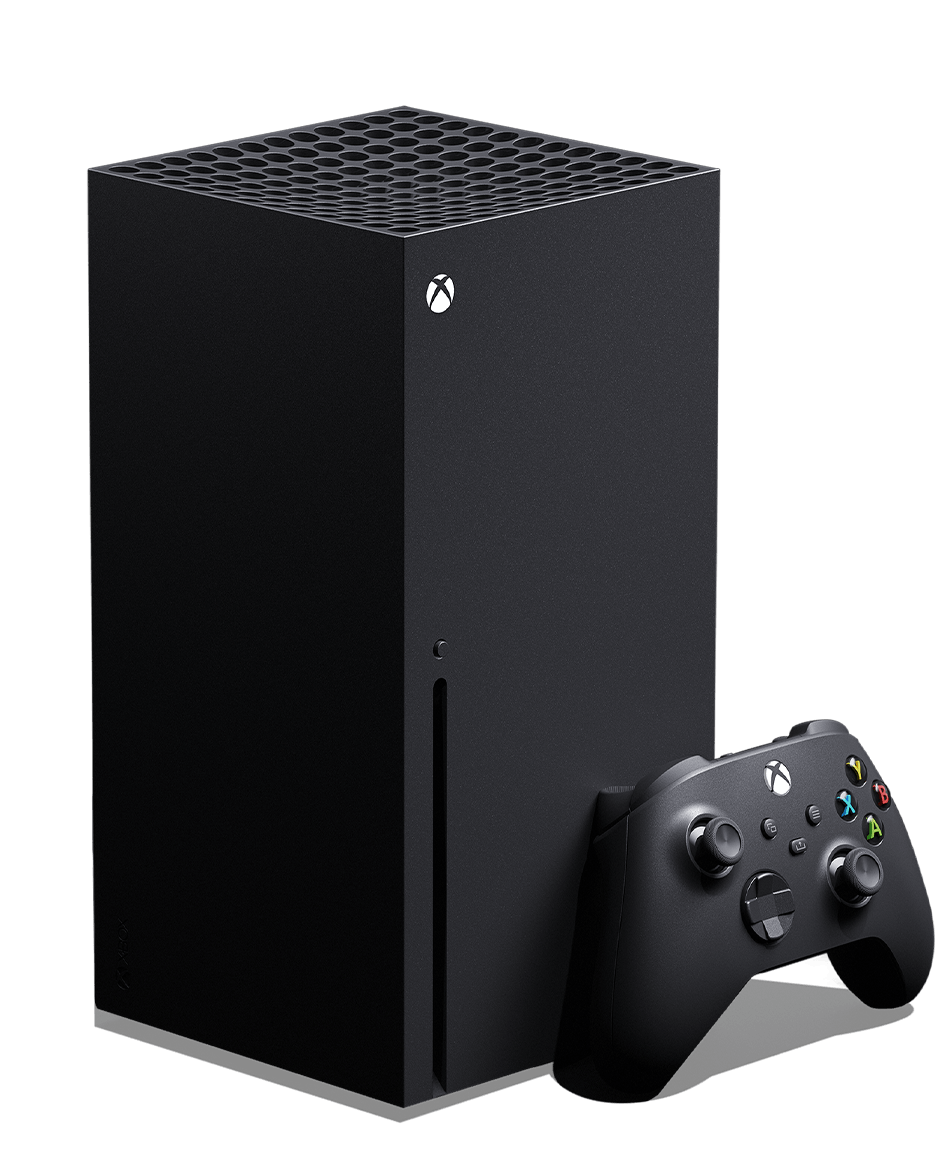
Microsoft has taken a different approach with the Xbox Series S, providing a low-cost entry point into next-gen gaming. In a market where consumers are reeling from a PS5 price hike, the Series S becomes an incredibly attractive option. It offers the “next-gen” experience at a fraction of the cost, effectively poaching the budget-conscious segment of the market that Sony may have alienated.
the Xbox Game Pass subscription model provides a value proposition that is hard to beat. When the hardware cost of a PS5 increases, the combined value of an Xbox console and a Game Pass subscription looks significantly more appealing to a consumer looking to maximize their entertainment budget.
Is the “Console War” Shifting?
While it would be an oversimplification to say that Xbox is “winning” the war, the current trend shows a democratization of the market. The PS5 is no longer the undisputed king of the UK living room by a landslide. If Sony continues to maintain high price points while sales dwindle, they risk losing a generation of users who may migrate to the Microsoft ecosystem or move toward PC gaming entirely.
For more insights on how hardware trends affect the industry, see our related explainer on console lifecycle economics.
Long-Term Implications for the PlayStation Ecosystem
The danger of a hardware sales slump is not just the immediate loss of revenue from the consoles themselves. The gaming industry operates on a “razor and blade” model: the hardware (the razor) is often sold at a low margin, or even a loss, to build an install base that will then buy high-margin software (the blades).

The Software Ripple Effect
If fewer people are buying the PS5, there are fewer people to buy the first-party titles that Sony spends hundreds of millions of dollars developing. A decline in hardware adoption leads to:
- Lower Software Attach Rates: Fewer consoles mean fewer copies of games like God of War or Spider-Man sold.
- Developer Hesitation: Third-party developers may shift more resources toward PC or other platforms if the PS5 install base plateaus prematurely.
- Reduced Network Growth: A slower growth in the hardware base slows the expansion of the PlayStation Network (PSN), affecting digital store sales and subscription services like PS Plus.
The Shadow of the PS5 Pro
There is also the factor of anticipation. Rumors of a “PS5 Pro” or a mid-generation refresh often cause a dip in sales of the base model. Consumers are savvy; if they suspect a more powerful version of the console is around the corner, they are less likely to buy the current version—especially if that current version has just become more expensive. This creates a “dead zone” in sales where the old hardware is too expensive and the new hardware isn’t yet available.
Common Misconceptions About the Sales Drop
In the wake of headlines stating that the PS5 Price Hike Has Flushed UK Hardware Sales Down the Toilet – Push Square, several misconceptions have surfaced. It is important to clarify these to get a balanced view of the situation.
Misconception 1: The PS5 is “Failing”
A drop in sales does not equate to a failed product. The PS5 remains one of the fastest-selling consoles in history. The current slump is a correction and a reaction to pricing, not a sign that the console is obsolete or unwanted. The demand is still there; the affordability is what has changed.
Misconception 2: Xbox is Suddenly Dominating the UK
While the gap is narrowing, the PS5 still holds a significant lead in total install base. The “plummet to Xbox levels” refers to the rate of sales in a specific window, not the total number of consoles in homes. The PS5 is still the more popular machine, but its momentum has been severely hampered.
Misconception 3: This is Only a UK Problem
While the UK is a focal point due to the specific economic pressures there, similar trends have been observed in other markets where Sony has adjusted pricing. It is a global tension between corporate margins and consumer purchasing power, though the UK’s cost-of-living crisis has amplified the effect.
Strategic Paths Forward for Sony
Sony now finds itself at a crossroads. To reverse the downward trend in the UK, several strategic pivots could be employed. The goal is to reignite consumer interest without completely sacrificing the profit margins required by the corporate office in Tokyo.
Potential solutions include:
- Aggressive Bundling: Instead of lowering the price, Sony could bundle the console with a high-value game or a subscription to PS Plus. This increases the “perceived value” without officially lowering the MSRP.
- Targeted Promotions: Implementing seasonal discounts or “trade-in” programs to lower the barrier to entry for existing PS4 owners.
- Diversification of Hardware: Introducing a more affordable, entry-level version of the PS5 (similar to the Xbox Series S) to capture the budget-conscious demographic.
- Price Correction: If the sales slump continues, Sony may be forced to admit the price hike was a mistake and return to previous pricing levels to regain market share.
The gaming industry is currently a bellwether for the wider economy. When people stop buying consoles, it is a signal that the middle class is feeling the pinch. Sony’s struggle in the UK is a micro-study in how brand power can be neutralized by economic hardship.
Frequently Asked Questions
Why did the PS5 price increase in the UK?
The price hike was primarily driven by macroeconomic factors, including inflation and the devaluation of the Japanese Yen. Since Sony is a Japanese company, fluctuations in currency exchange rates can make it more expensive to maintain the same retail price in foreign markets while keeping profit margins stable.
How much did PS5 sales actually drop in the UK?
While exact official numbers are rarely released in real-time, various industry reports and market analysis suggests that sales in certain months (such as May) dropped by as much as 50% following the price adjustments, bringing sales volumes closer to those of its competitors.
Is it a good time to buy a PS5 right now?
For consumers, the current slump in sales often leads to more retail promotions and bundles as stores try to clear inventory. If you are not in a rush, waiting for a seasonal sale or a bundle offer may provide better value than paying the current hiked MSRP.
Will there be a cheaper version of the PS5?
While Sony has released the “Slim” model, it has not significantly lowered the entry price. However, the market pressure caused by the current sales slump may encourage Sony to consider a more budget-friendly hardware option to compete with the Xbox Series S.
Does this mean Xbox is winning the console war in the UK?
Not necessarily. The PS5 still maintains a larger overall user base in the UK. However, the growth rate of the PS5 has slowed, allowing Xbox to gain ground among price-sensitive consumers, thereby narrowing the gap between the two platforms.
The current volatility in the UK hardware market serves as a stark reminder that no matter how powerful the brand or how acclaimed the exclusives, the consumer’s wallet is the ultimate arbiter of success. As Sony navigates this pricing crisis, the rest of the industry will be watching closely to see if the giant can pivot, or if the market has fundamentally shifted.
